Sometimes, in tragic circumstances, a lesson can be learned and applied in unexpected ways. That appears to be the case with a rare disease that produces debilitating symptoms in children – but might also offer clues to developing a new class of antivirals.
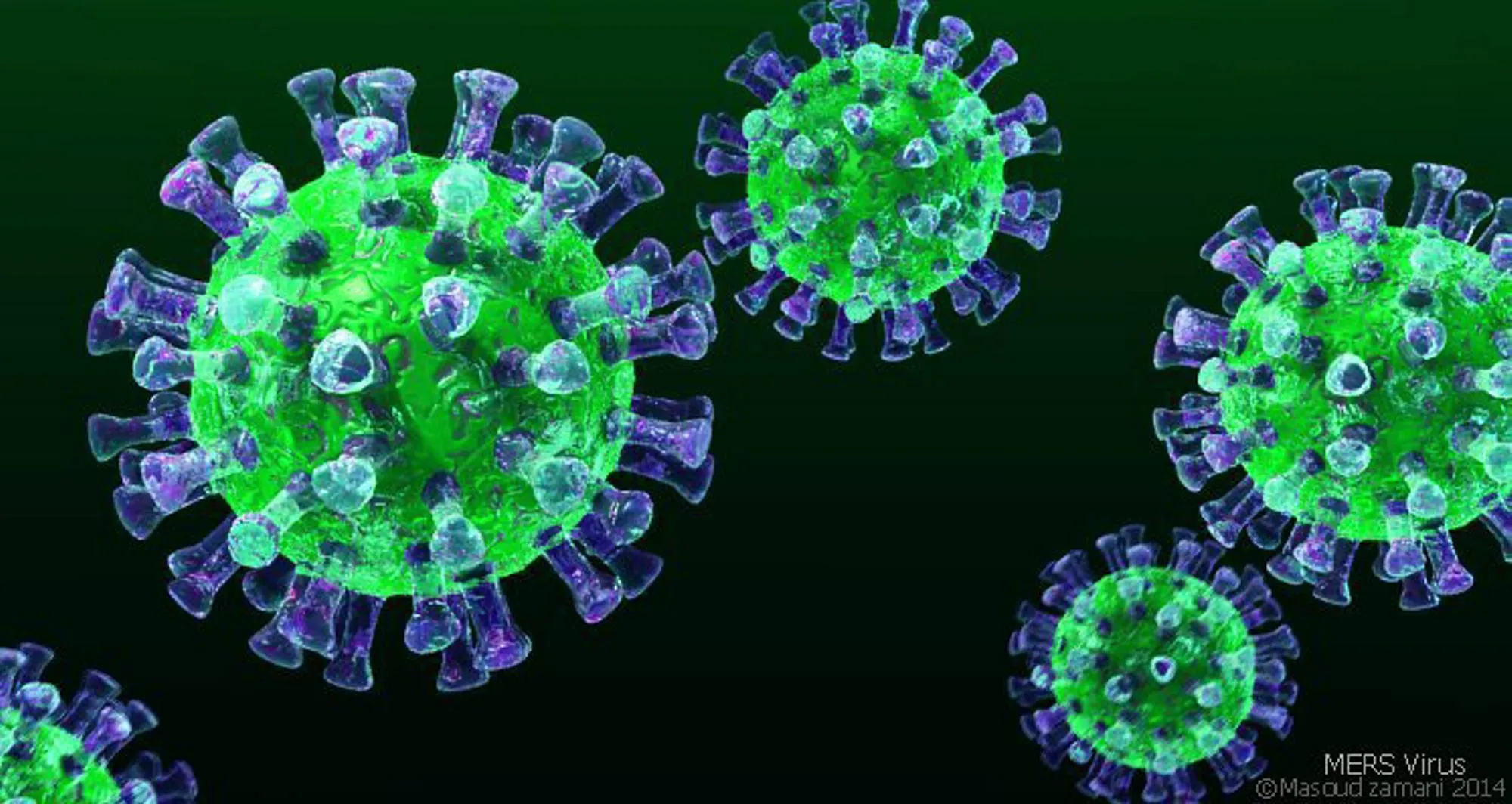
When viruses require a glycosylated coat, they might not thrive when human glycosylation is defective. Antivirals targeting glycosylation thus might be effective. Image credit: Wikimedia Commons
The particular disease, an extremely rare congenital disorder called CDG-IIb, affects the processing of proteins. Most proteins are glycosylated, that is, modified by the addition of sugars or chains of sugars, which is important for proper function. In patients with a CDG-IIb, an enzyme that is partly responsible for glycosylation is defective. Unfortunately, patients suffer from a multitude of problems, including neurological defects, bone fractures, and hearing loss.
Research into rare diseases has grown substantially in the last 30 years, and there are many avenues through which people can contribute to help those afflicted. In this instance there was an apparent additional benefit to studying CDG-IIb.
That’s because this disorder, although causing deficiencies in the immune system on top of all the other troubles, did not bring about an especially high number of infections in two young siblings who have CDG-IIb. A team of researchers set out to make sense of this puzzle. 1
The answer, it turns out, is that many viruses, including HIV and the hepatitis C virus, need glycosylated proteins themselves for their outer coat, our glycosylated proteins. Viruses, after all, use our machinery and cellular components to build copies of themselves in order to spread and multiply. Indeed, cells from the siblings in the study resisted infection from such viruses.
The search for new and improved antivirals is a vibrant field, as reflected by the number of service providers offering antiviral testing through Scientist. But one might think: How could this rare disease be useful for antivirals if glycosylation is so crucial? Timing may be the solution. There is the possibility that, by blocking this glycosylation step just temporarily, viruses will sputter out while the person remains unscathed. Scientists in fact have been working on inhibitors of this type for two decades. 2 One is already on the market for another disorder, with only mild side effects.
These findings underscore that studying rare diseases is valuable not just for helping the relatively few who are affected. Learning about the underlying biology may reveal insights important for some of the most common ailments in the world.
References Sadat, M.A. et al. 2014. Glycosylation, hypogammaglobulinemia, and resistance to viral infections. N. Engl. J. Med. 370:1615-1624. http://www.nbcnews.com/health/health-news/kids-rare-disease-may-hold-secret-stopping-viruses-n76251

次のステップへ進む
Explore Suppliers
関連する専門知識を持つ信頼できるパートナーを探す
Review Capabilities
サービス、経験、実績を比較する
Start Your Project
つながり、協業を始める