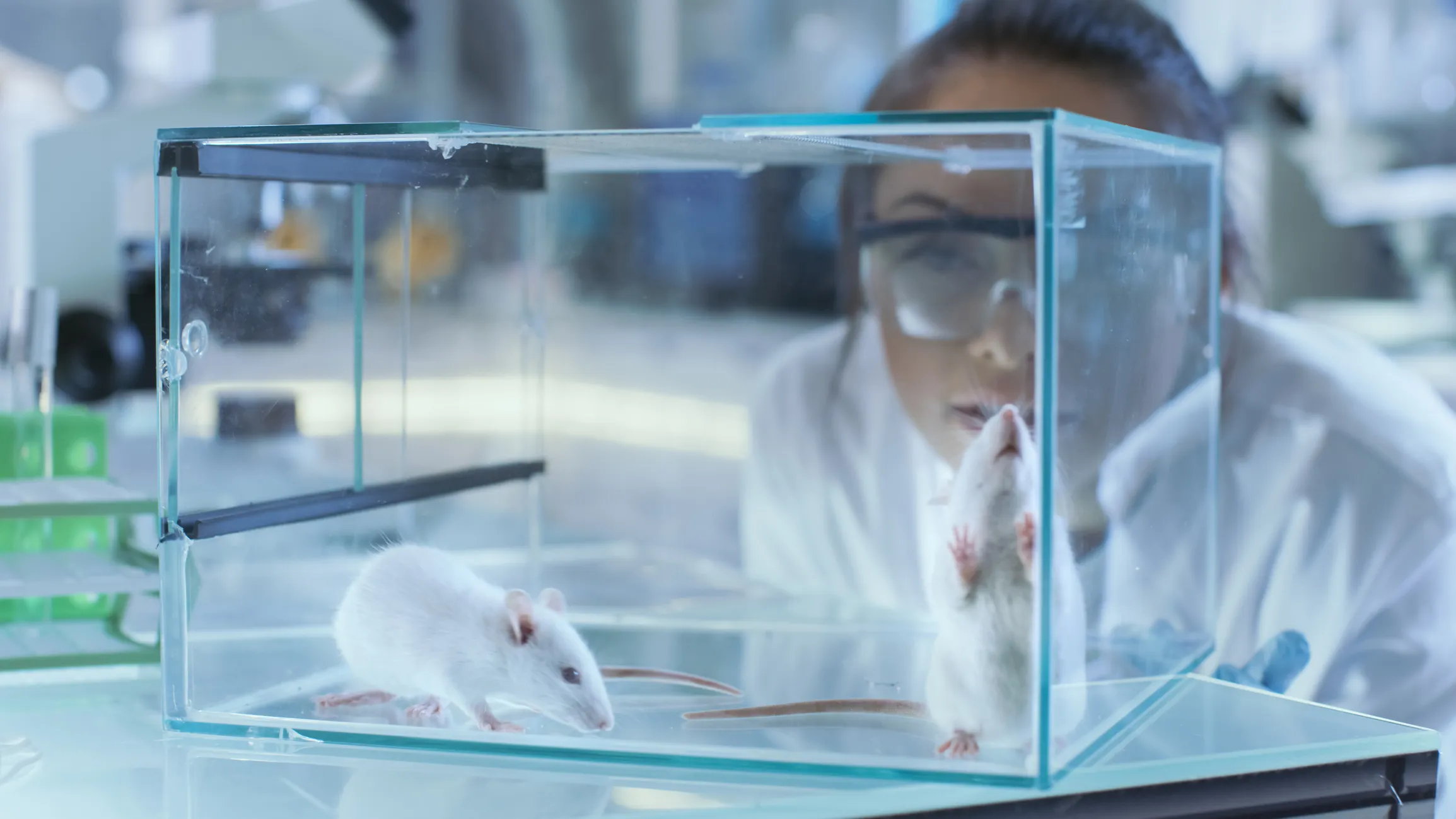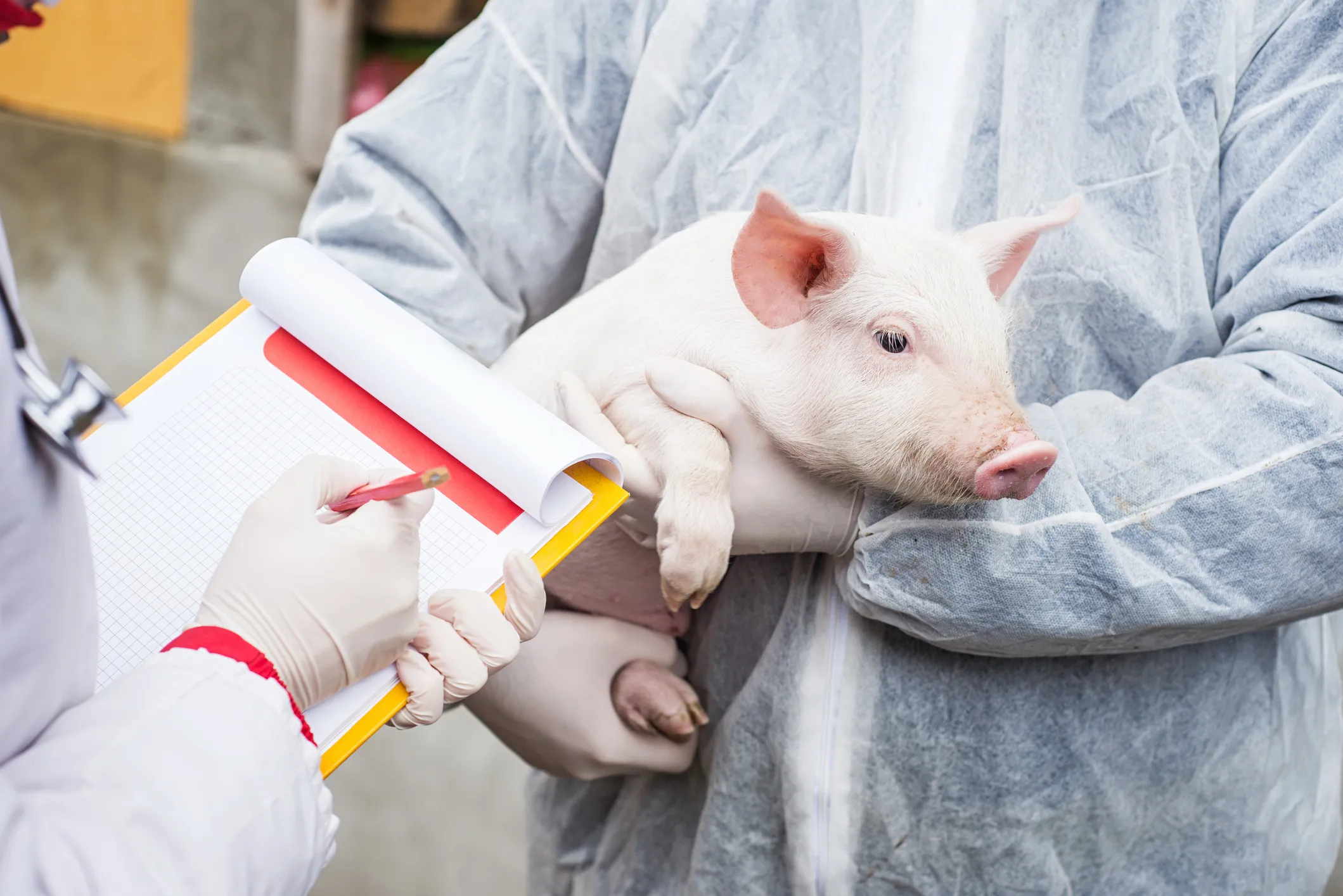
At Scientist.com, we take our commitment to animal welfare very seriously. Whether through due diligence, compliance or education, we support efforts to advance animal welfare. To further this aim, we recently hosted a three-part educational series on the 3Rs of Animals in Research — Replacement, Reduction and Refinement — which are key factors in improving animal welfare in all types of research. Replacing animals with in vitro or in silico methods, reducing the numbers of animals used and refining procedures to reduce pain and distress are all critical to overall welfare. The 3Rs help us fulfill our moral and ethical obligations to the animals that have allowed many of the most important modern medical advances to occur.
As straightforward as the 3Rs may sound, they can present a unique set of challenges upon implementation. It’s easy to continue conducting the same tried and true studies, but there are many recent innovations that researchers may not be aware of. To shed more light on this topic we collaborated with the UK’s National Centre for the Replacement, Refinement & Reduction of Animals in Research (NC3Rs). This group focuses on innovations in each of the 3Rs and supports researchers in many ways, including CRACK IT, an open innovation program. Each installment of the series was co-hosted by Dr. Sam Jackson from the NC3Rs for an introduction to the corresponding R as well as real-world examples of application.
We were also joined by registered Scientist.com suppliers that exemplify the values of the 3Rs and offer relevant solutions for their clients. For Replacement, Chiwan Chiang, MSc of Mimetas discussed their groundbreaking OrganoPlate® platform. This system allows organs or even entire animals to be replaced with their in vitro plate method. One Mimetas plate can replace up to 96 animals while still providing powerful data.
Next, Dr. Tseten Jamling of Hera BioLabs presented on Reduction. The company’s OncoRat model allows for up to 90% reduction in the number of animals used to establish or expand PDX. In one case, a xenograft study using the OncoRat reduced animal numbers from 208 to 42.
Finally, Dr. Alex Wakefield of Sinclair Research gave a wonderful overview of Refinement. Dr. Wakefield covered considerations for technicians, researchers and veterinarians alike while providing practical tips for running successful studies. This highlighted the idea that the focus on reduction of pain and suffering and improvement of overall welfare does not have to rest solely with one party.
Feedback and questions should be submitted to meaghan@scientist.com

次のステップへ進む
Explore Suppliers
関連する専門知識を持つ信頼できるパートナーを探す
Review Capabilities
サービス、経験、実績を比較する
Start Your Project
つながり、協業を始める

Meaghan Loy is currently the Senior Director of In Vivo and GLP Services at Scientist.com, a research marketplace that enables researchers to access pre-qualified assessed animal model suppliers as well as hundreds of suppliers that provide in vitro models that can potentially replace or reduce the use of in vivo models. She joined Scientist.com in 2018 and is an expert in the use of COMPLi®, Scientist.com’s award winning platform that introduces a common, comprehensive process and supply agreement supporting access to pre-qualified assessed suppliers of in vivo and in vitro research models and provides animal welfare compliance coverage.