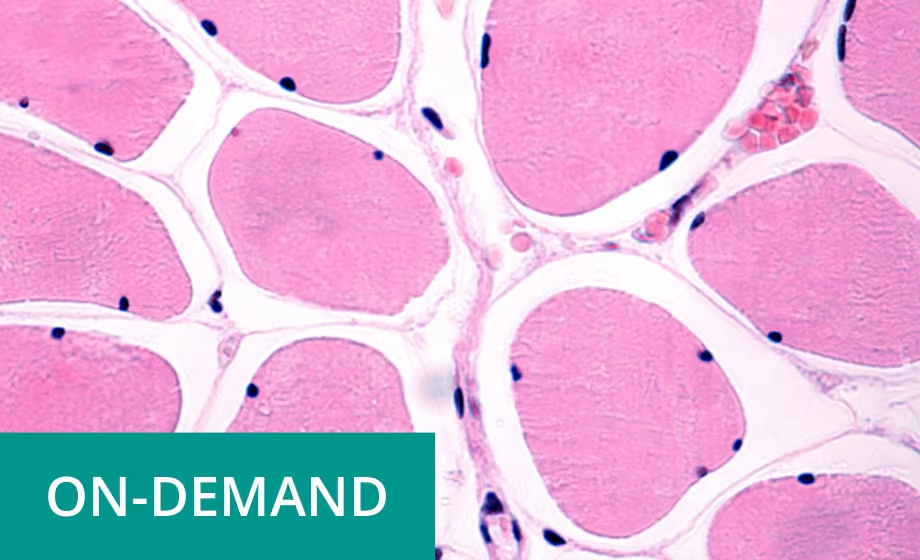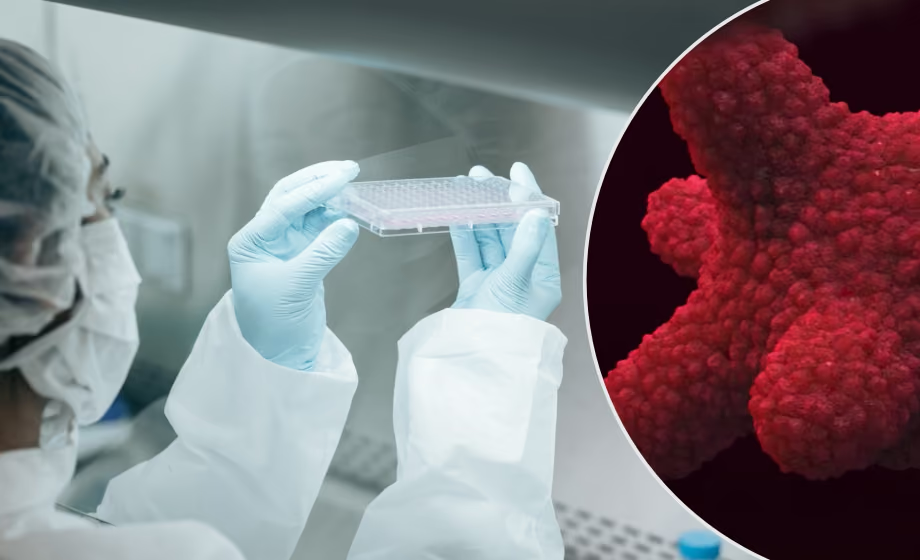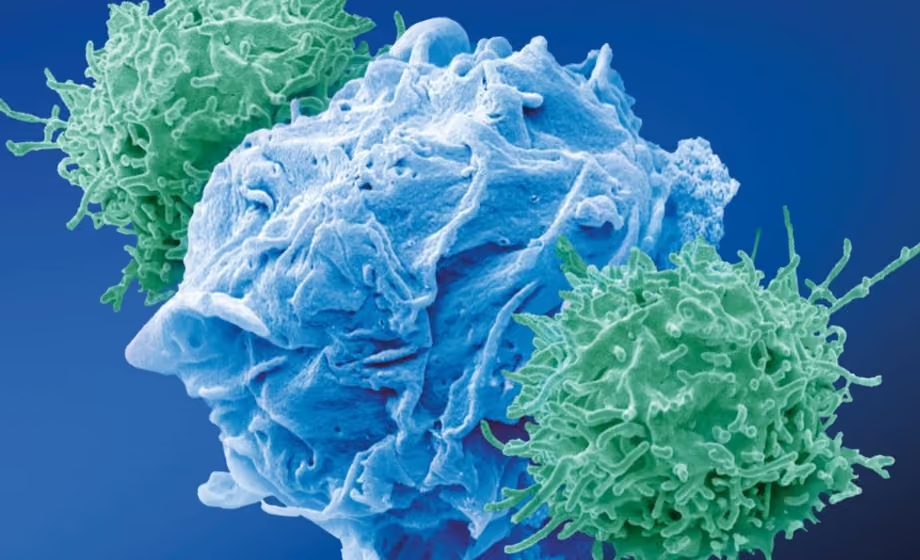
Join Dr. Ethan Shelkey as he discusses human primary co-culture models with immune cells that are used in infectious disease studies and cancer therapeutic testing.
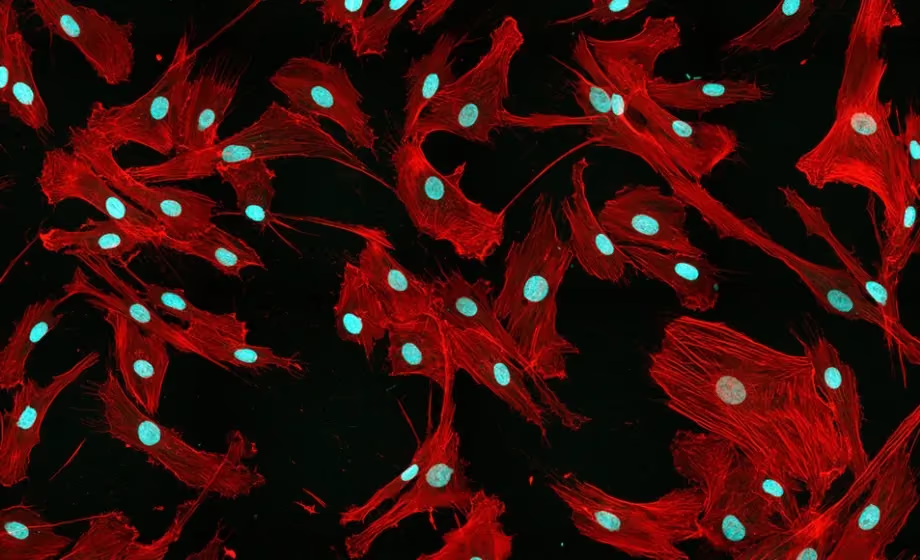
With the implementation of the FDA Modernization Act, which encourages the use of human primary cell systems in place of traditional animal models, there is a growing emphasis on the development and application of advanced in vitro coculture models. This webinar will explore the critical role of co-culture systems incorporating immune cells in enhancing the physiological relevance and predictive power of preclinical studies.
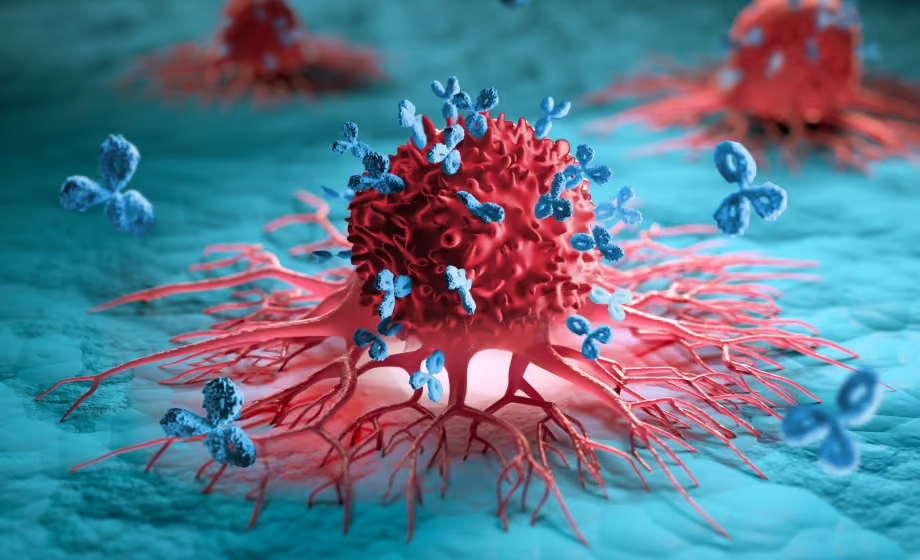
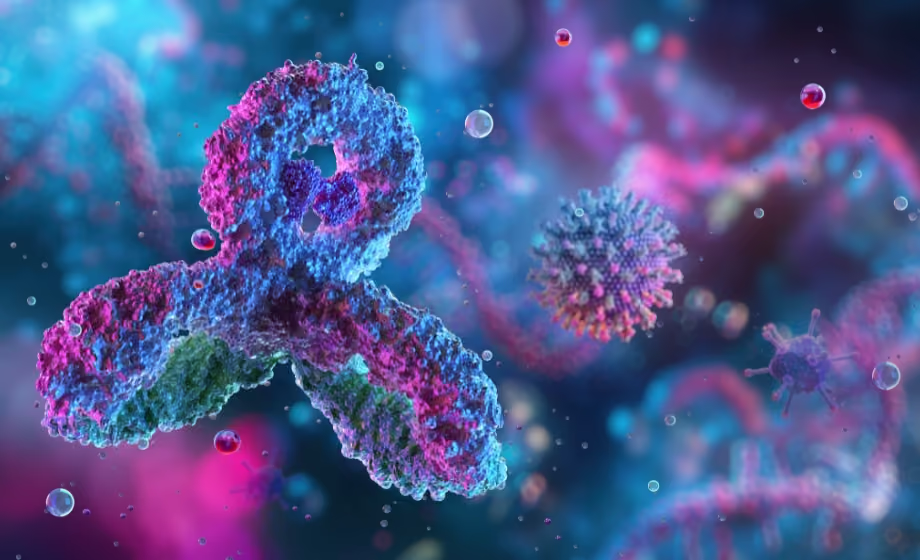
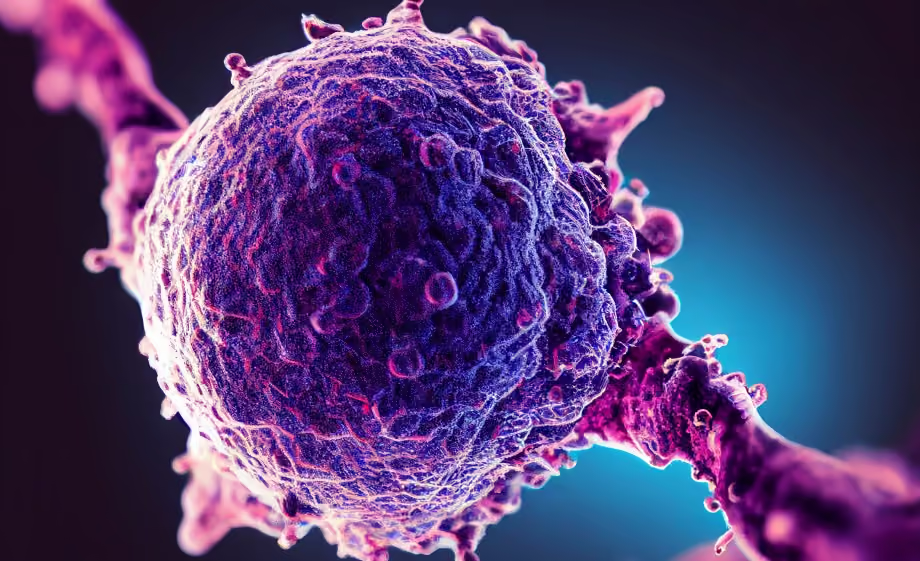
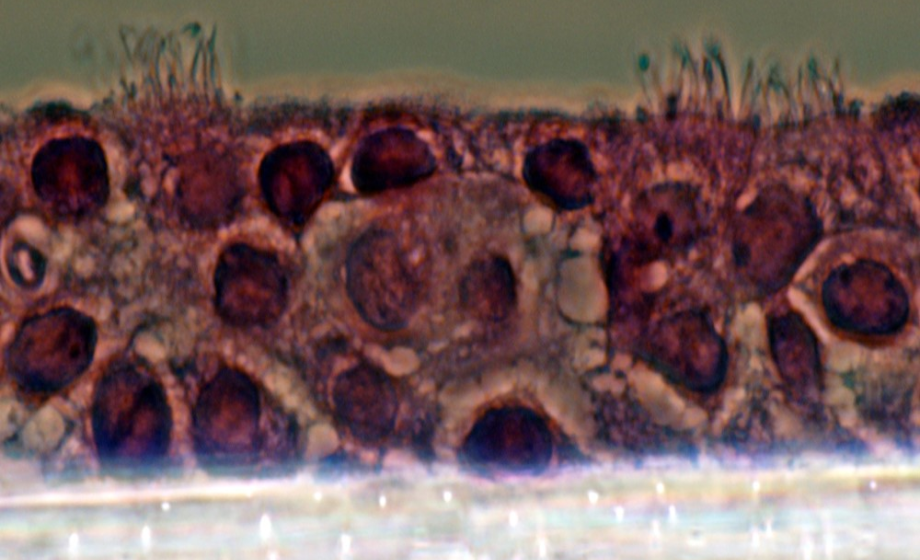
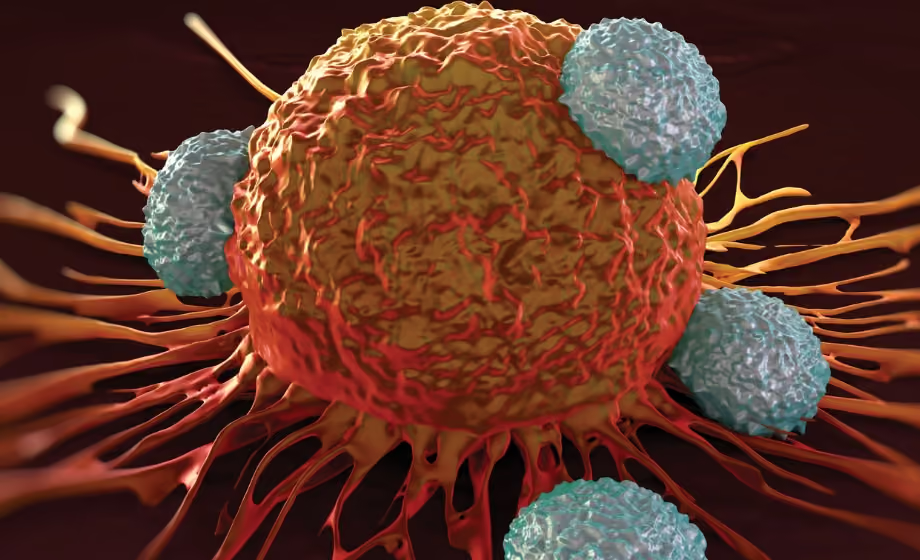
We will delve into key applications of co-culture models, focusing on lung epithelial cell and PBMC-based systems for infectious disease research, including their use in simulating human immune responses to viral and bacterial infections. The session will also highlight the utility of co-culture models in cancer therapeutic testing, including antibody-dependent cellular cytotoxicity (ADCC) assays using cancer cell-PBMC systems, T-cell and dendritic cell (T:DC) interactions, and evaluations of off-target immune toxicity.
Attendees will gain insight into how these human cell-based models provide a more accurate representation of in vivo biology, and accelerate the development of safer, more effective therapies. This session is ideal for researchers, pharmacologists, and regulatory professionals aiming to modernize their in vitro testing strategies in alignment with emerging scientific and policy framework.
Featuring Insights from
Ethan Shelkey
PhD
Ethan Shelkey, Ph.D. is a Research Scientist with the Bioscience Division at Lonza. As part of the team at the primary human cell isolation site, Ethan works to develop new assays for cell use and new protocols for improved cell characterization. He is the technical subject matter expert many of the projects involving immunology or genomics. Previous to his role at Lonza, he worked to create immune-competent 3D models of patient tumours to test immunotherapy efficacy.
Sponsored by
Lonza Bioscience
In Partnership with

Scientist.com
Scientist.com is the world’s largest and first platform built for the intricacies of scientific outsourcing.
We help pharmaceutical and biotechnology organizations discover, engage, manage, and scale relationships with the providers that support every stage of the pipeline—from discovery and preclinical research to clinical development, manufacturing, medical affairs, and commercialization. Through a centralized platform, organizations can access a global network of 6,000+ providers, streamline sourcing and procurement workflows, maintain compliance, manage supplier relationships, and leverage data-driven insights to make faster, more informed decisions.
Today, Scientist.com supports more than 130 life science organizations, including 24 of the world's top 30 pharmaceutical companies, helping teams reduce operational complexity, accelerate timelines, and bring innovations to patients faster. Our mission is to make it possible to cure all human disease by 2050.















.avif)