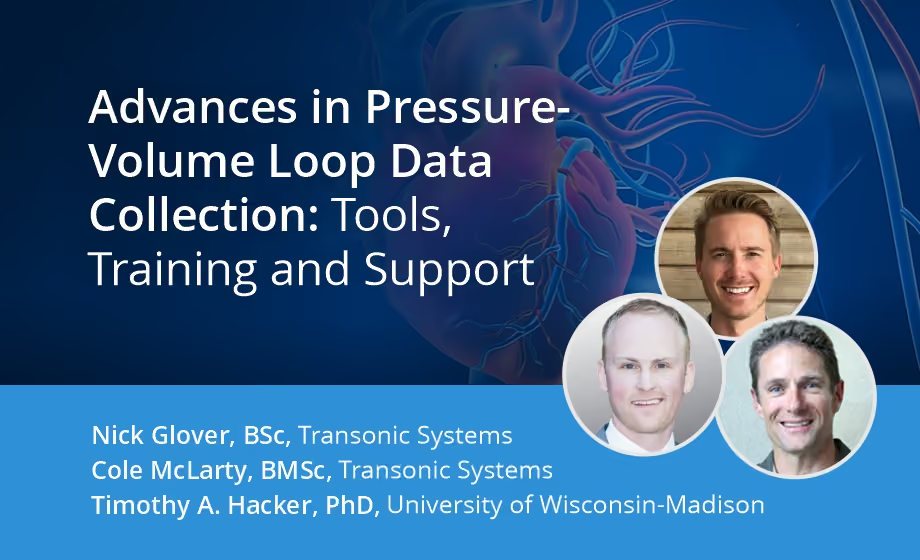
Join three experts for this technical overview of Pressure-Volume Loop collection and data analysis for cardiovascular research.
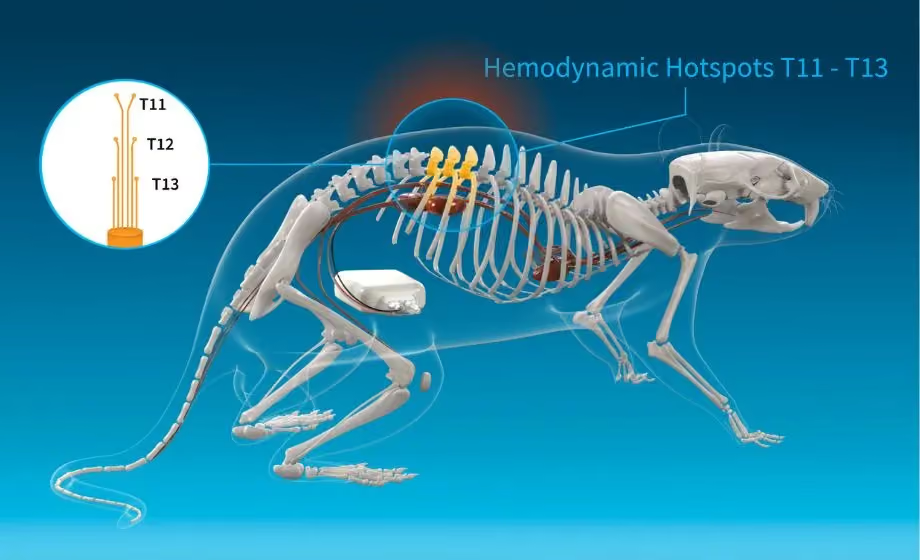
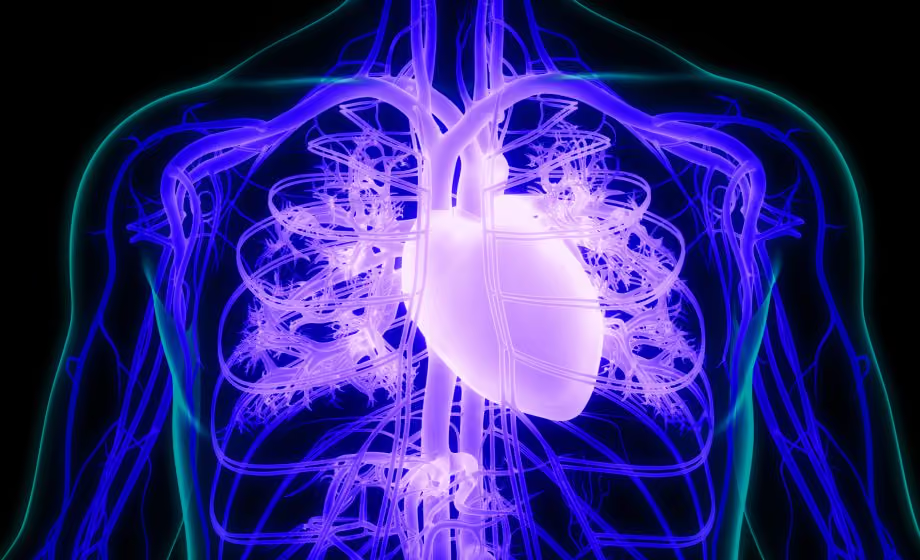
Pressure-Volume (PV) loops provide a range of hemodynamic parameters which are otherwise not readily measurable. These include changes in contractility, elastance, power, energetics, and efficiency through the assessment of both load-dependent and load-independent states. PV loops also bring with them a host of technical considerations and challenges when collecting this valuable data.
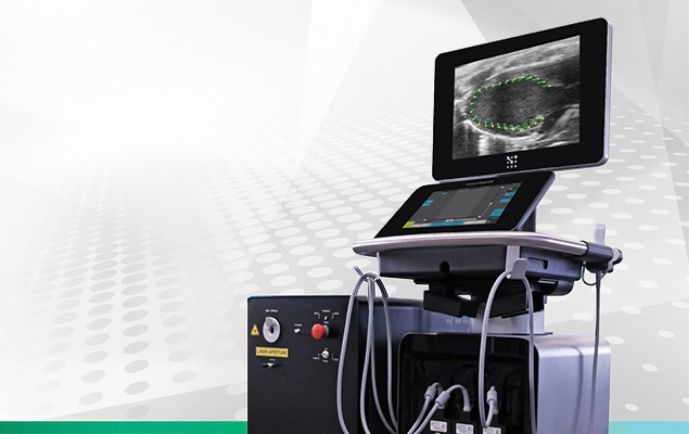
In this presentation, Cole and Nick introduce the next generation of PV loop technology with the ADV550, a system designed to innovate workflow and finally allow users to position their catheter with immediate blood volume feedback. They are joined by Dr. Tim Hacker to review his PV loop surgical workshop; an immersive, hands-on experience that covers all aspects of data collection - from catheterization techniques through to data review. Together they also announce a scholarship opportunity aimed at improving training opportunities in the PV loop space and growing the community further.
Featuring Insights from

Cole McLarty
BMSc
Cole McLarty is the Director of Sales and Marketing in Transonic's Research division. He has 12 years’ experience in life sciences, and a particular interest in assessing blood pressure, blood flow, and cardiac PV loops. Cole's career is guided by the belief that meaningful research is founded on dependable technology and trustworthy support.

Nick Glover
BSc
Nick Glover is a Sales Specialist and Product Manager of Pressure and Pressure-Volume technology in Transonic’s Research division. Nick has spent over 10 years working in the life science and medical imaging space. He is driven by collaboration with users and implementation of measurement technologies in novel research applications.

Timothy A. Hacker
PhD
Dr. Hacker is a Senior Scientist and Director of the Cardiovascular Physiology and Surgery Core Facility at the University of Wisconsin-Madison. His work at the Cardiovascular Research Core Lab facility provides researchers with surgical models of disease as well as non-invasive imaging and invasive physiologic monitoring of the disease process. Dr. Hacker has established cardiac disease models in mice, rats, rabbits, pigs, dogs and primates.
Sponsored by

Transonic Systems Inc.
In Partnership with

American Physiological Society
Founded in 1887, the American Physiological Society is a global leader in expanding knowledge related to biological function. We connect a multidisciplinary community of nearly 10,000 scientists and educators from around the world, driving collaboration and spotlighting scientific discoveries in physiology and related disciplines. Our members are advancing treatments and cures for everything from cancer and heart disease, to obesity and addiction. They are also deepening our insight into living organisms generally, helping us to better understand how things like climate change are affecting the world around us.

European Council for Cardiovascular Research
The history of the European Council for Cardiovascular Research (ECCR) goes back more than 30 years when the ‘European Blood Pressure Group’ held its first meeting in March 1979 in Cambridge, UK. To date more than 30 international meetings have been held in various European locations. For more information about ECCR history click here.
The mission of ECCR is to promote prevention, diagnosis and treatment of disease and the preservation and protection of good health through experimental and clinical research in hypertension, cardiovascular and metabolic disease.
ECCR holds an Annual Meeting in October. The purpose of these scientific meetings is to provide a forum for active clinical and non-clinical researchers to discuss important aspects of their work, to advance and strengthen European research in the field of cardiovascular disease, high blood pressure and cardiometabolic disease. The meetings bring together both senior and junior scientists from the leading European groups in the field of cardiovascular research.
ECCR is a member of the Council for Basic Cardiovascular Science (CBCS) of the European Society of Cardiology (ESC), whose aims are to enhance the importance of basic science to clinical cardiology and act as a Europe wide forum for cardiovascular research societies, and a conduit for positive collaboration.