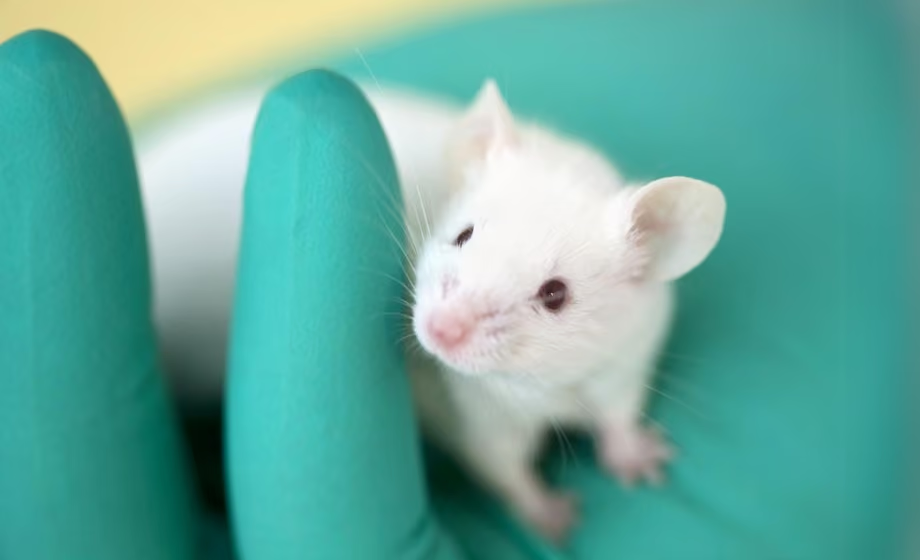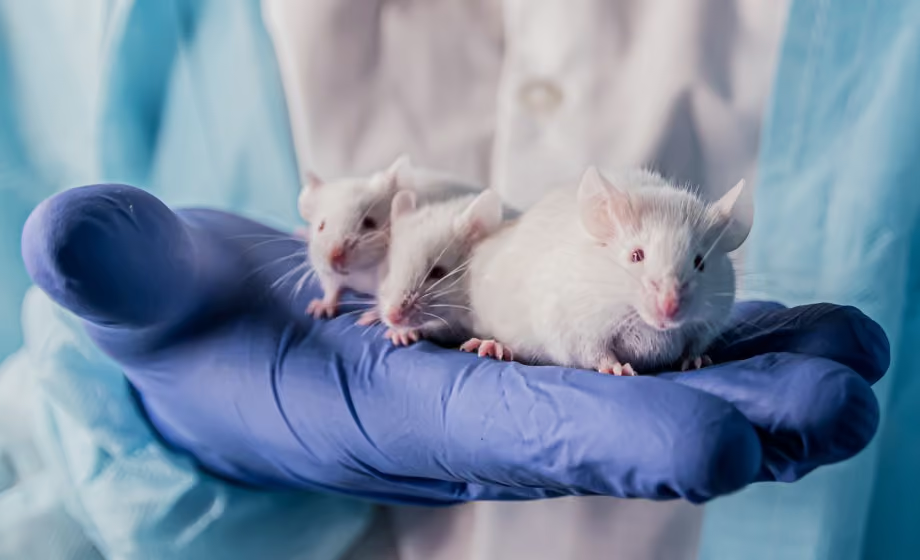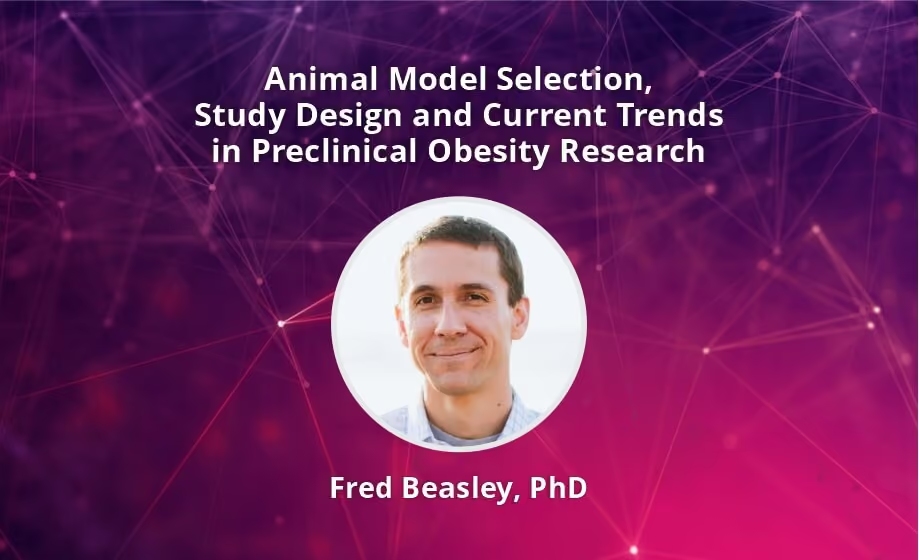
Dr. Fred Beasley provides an overview of study design, criteria for defining your study aim and expert advice for selecting the ideal rodent model for your preclinical obesity research.
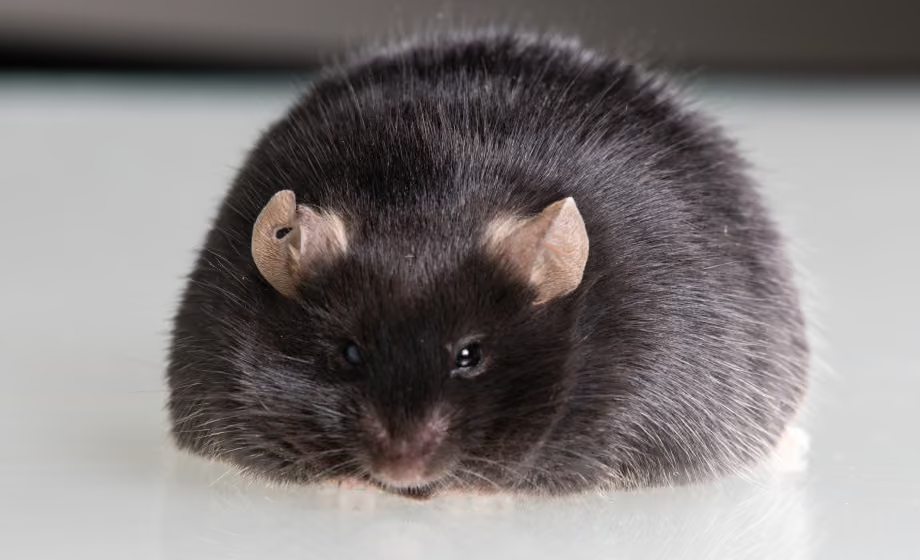
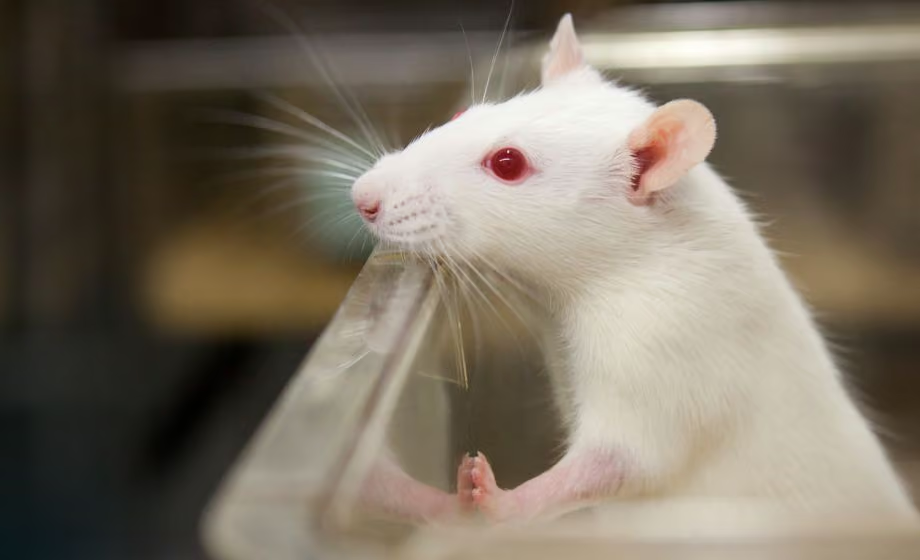
During this presentation, Dr. Fred Beasley will give a broad-level overview of the factors to consider when deciding on an appropriate preclinical rodent model for studying obesity and its treatments. It will feature an overview of trends in obesity and associated illnesses, and the role of pharmacological intervention. Dr. Beasley will discuss criteria for establishing a study's aims and review commonly used rodent models obesity, addressing both genetically inherited and diet-induced animal models. The webinar will conclude with additional considerations for improving your study design.
Key methods reviewed will include…Pharmacotherapy, diet induced obesity, Western-style diet, monogenic obese rodents, polygenic obese rodents, NAFLD activity score
Featuring Insights from

Fred Beasley
PhD
Dr Fred Beasley, Director of Scientific Engagement for the Cardiovascular and Metabolic Disease Division at Crown Bioscience, has extensive experience with the development of animal models, the design and execution of research projects and with client/operations communications.
In Partnership with
American Physiological Society
Founded in 1887, the American Physiological Society is a global leader in expanding knowledge related to biological function. We connect a multidisciplinary community of nearly 10,000 scientists and educators from around the world, driving collaboration and spotlighting scientific discoveries in physiology and related disciplines. Our members are advancing treatments and cures for everything from cancer and heart disease, to obesity and addiction. They are also deepening our insight into living organisms generally, helping us to better understand how things like climate change are affecting the world around us.