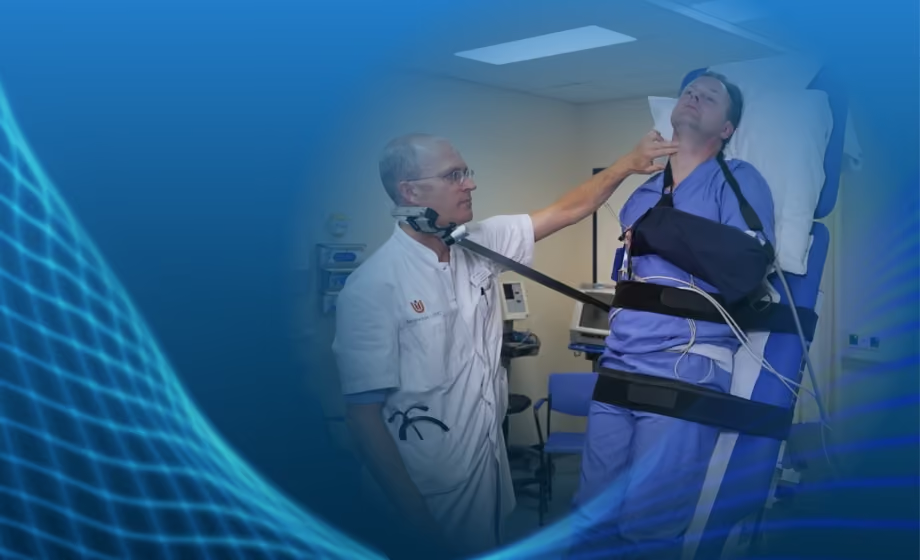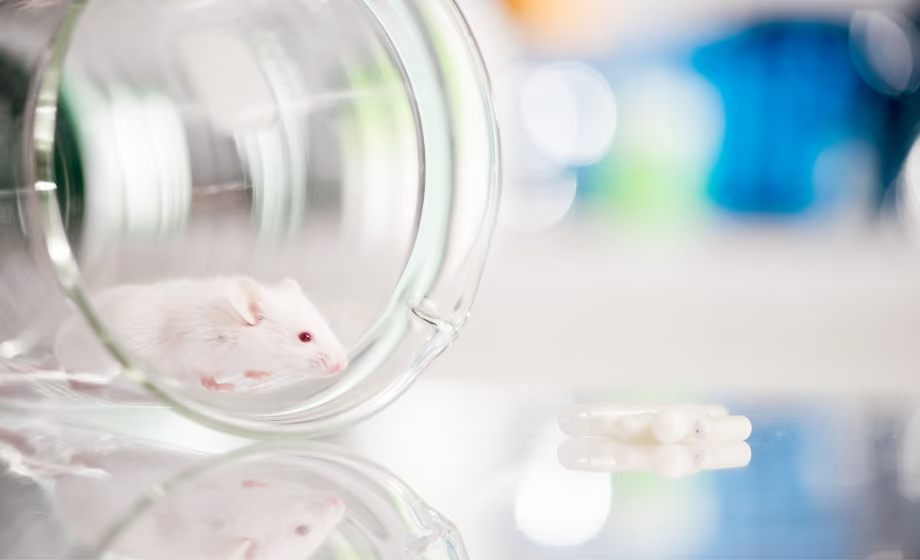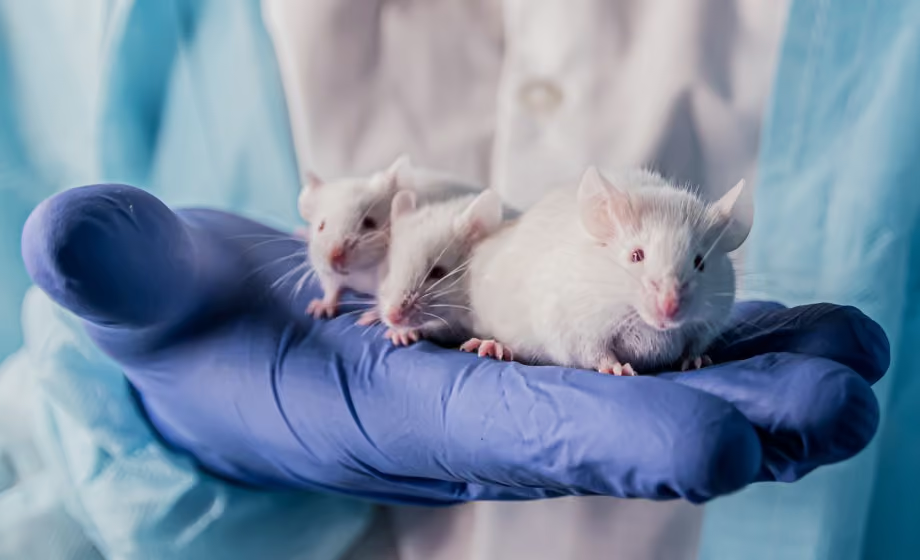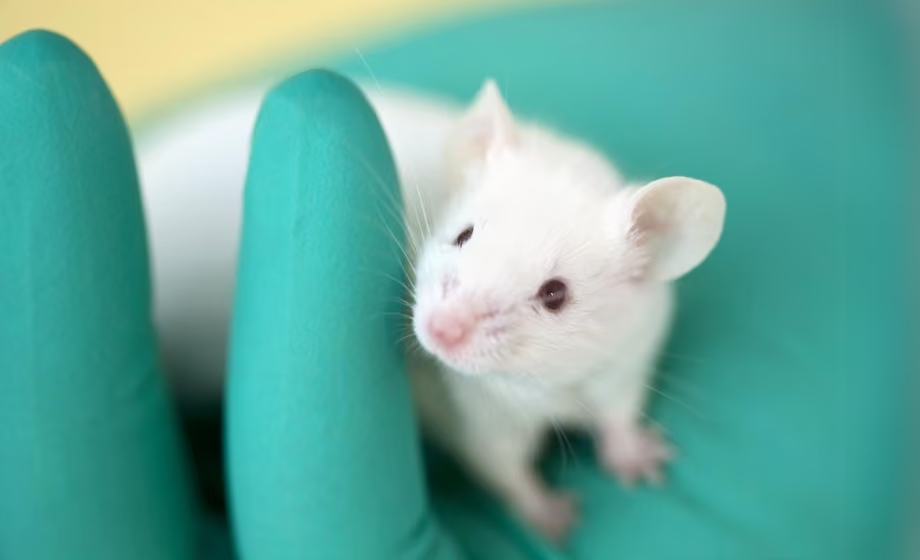
High-quality animal welfare is intrinsically linked to the advancement of scientific research. In this presentation, Dr. René Remie transports you back five decades to explore the foundational principles of surgery that have evolved into what we now recognize as Good Surgical Practice (GSP).
Given that numerous animal models involve surgical procedures, it is imperative to employ refined surgical techniques alongside cutting-edge equipment. 50 years ago, literature on laboratory animal surgery was limited, with surgical chapters often lacking comprehensive guidance on aseptic techniques. Discussions on tissue handling and exposure were minimal, and the animals used were typically conventionally bred. Laboratory Animal Science was still in its infancy, and surgical and anesthetic procedures were seldom detailed.
The introduction of Laboratory Animal Science in the early 1980s marked a significant milestone for research models, ushering in an era where peri-operative care gained prominence. In contemporary practice, one of the most pivotal yet often overlooked principles is goal-oriented surgery. This approach emphasizes reaching the target structure while minimizing tissue damage, underscoring the necessity of a thorough understanding of animal anatomy. Additionally, the selection of appropriate surgical instruments is critical to prevent errors. The presentation also delves into the concepts of Time, Trauma, and Trash—the 3-T's—and provides insights into training in both traditional and microsurgical techniques.
Featuring Insights from

René Remie
PhD
A brilliant course leader and innovator who has almost 50 years of experience teaching, guiding, and training burgeoning scientists in their lab animal surgical skills. He is best known for his extensive work and procedures surrounding rodent best practices, pre/post-op care, and animal welfare in the surgical setting.
Sponsored by

ADInstruments
In Partnership with
American Physiological Society
Founded in 1887, the American Physiological Society is a global leader in expanding knowledge related to biological function. We connect a multidisciplinary community of nearly 10,000 scientists and educators from around the world, driving collaboration and spotlighting scientific discoveries in physiology and related disciplines. Our members are advancing treatments and cures for everything from cancer and heart disease, to obesity and addiction. They are also deepening our insight into living organisms generally, helping us to better understand how things like climate change are affecting the world around us.