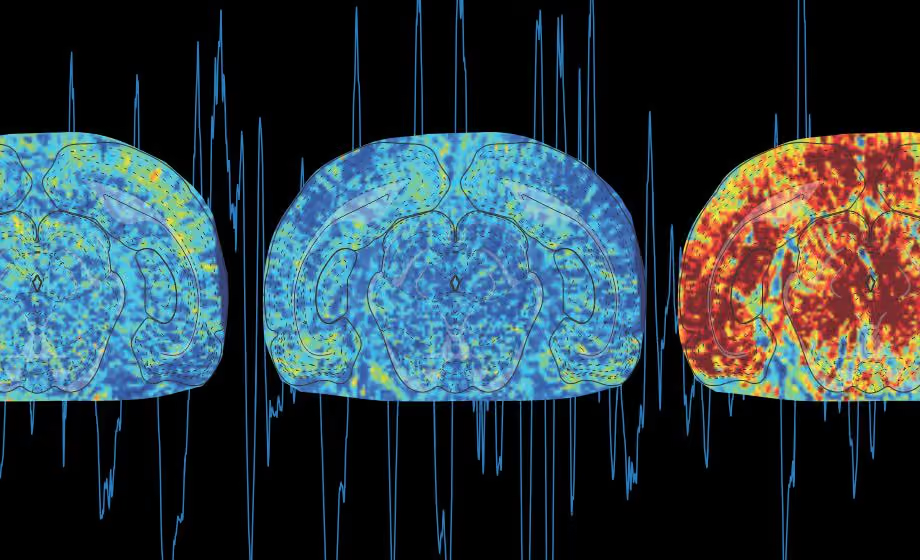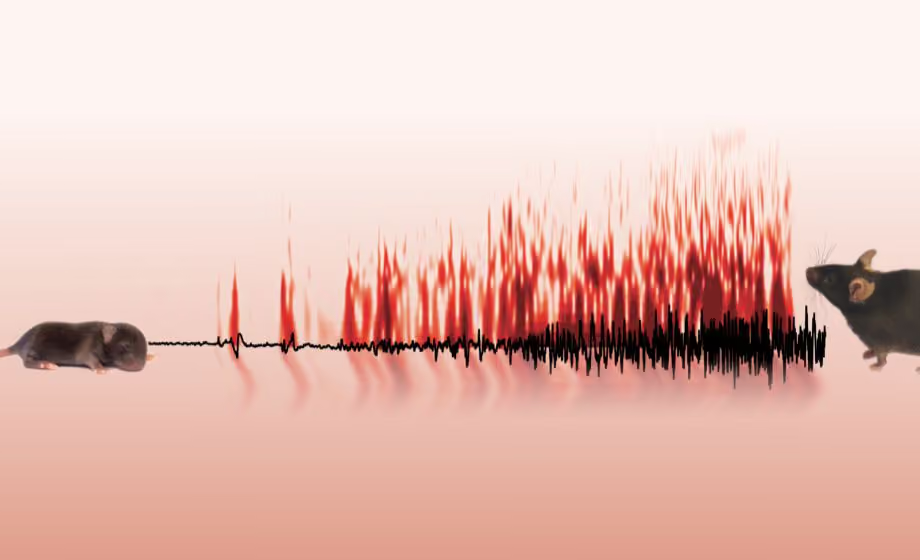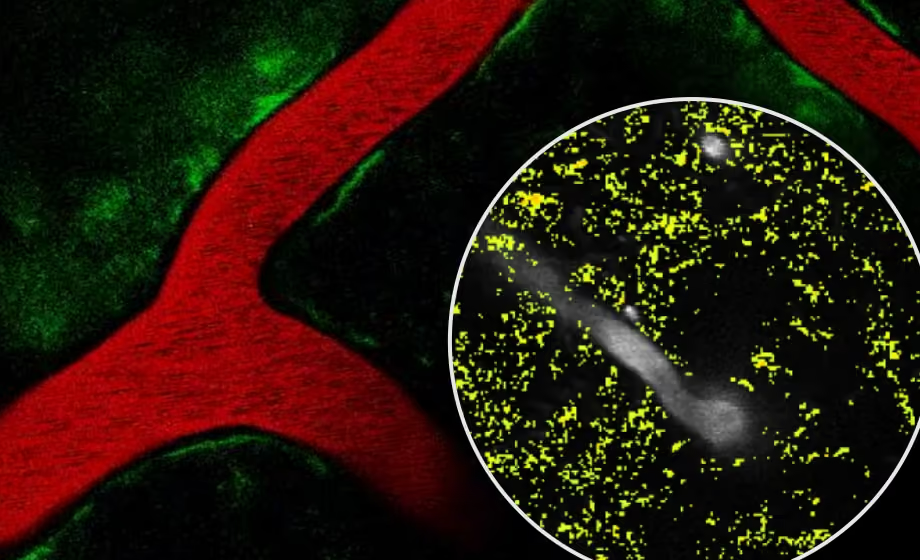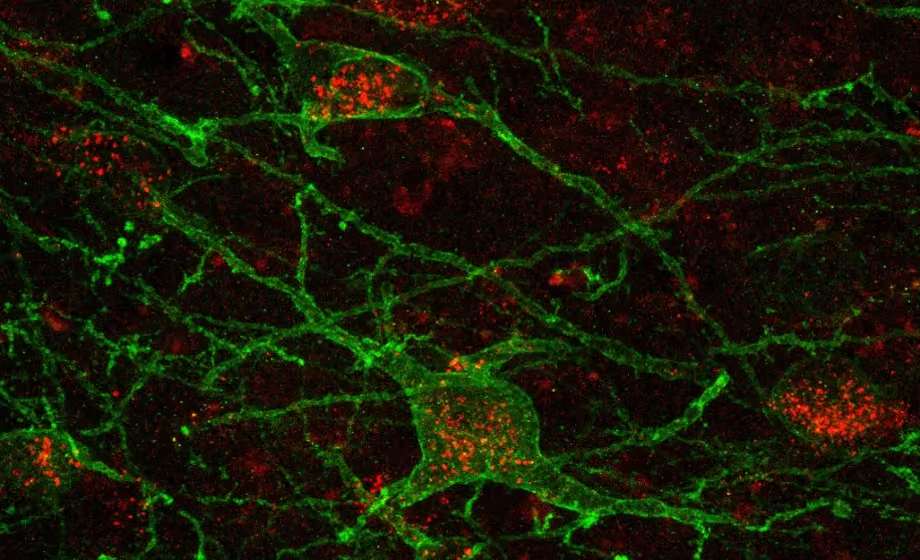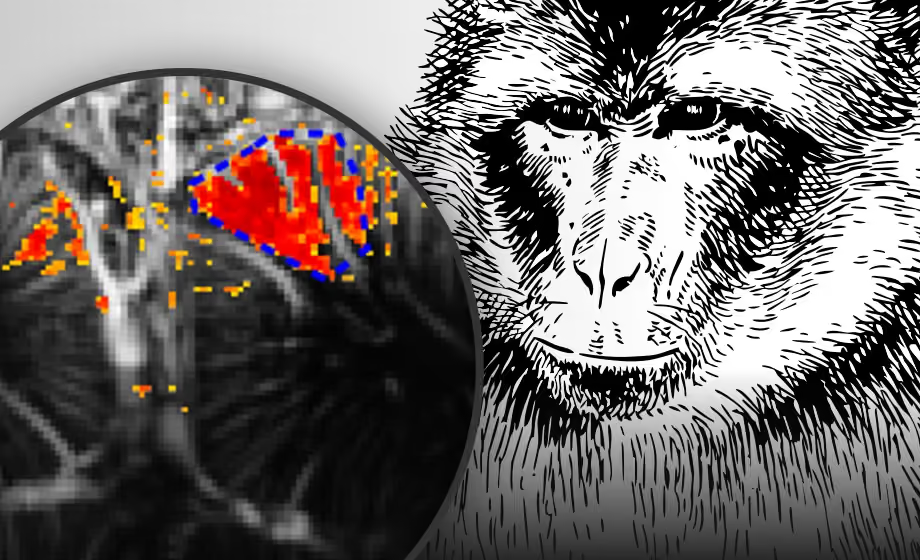
Dr. Janos Groh discusses how neuroinflammation amplifies neural damage caused by genetic disorders and aging, and how monitoring the retinotectal system is a suitable strategy to assess neural disease progression and associated treatment efficacy.
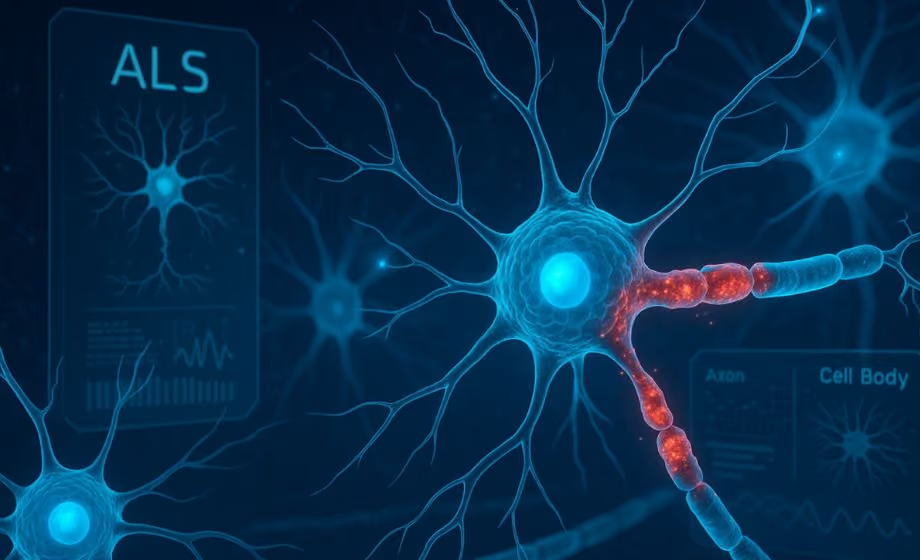
Neural disorders are often caused by gene defects, such as distinct leukodystrophies or lysosomal storage diseases. The normal aging process is also associated with chronic neuroinflammation. Similar to the genetic disease models, myelinated axons are especially vulnerable to aging-related degeneration.
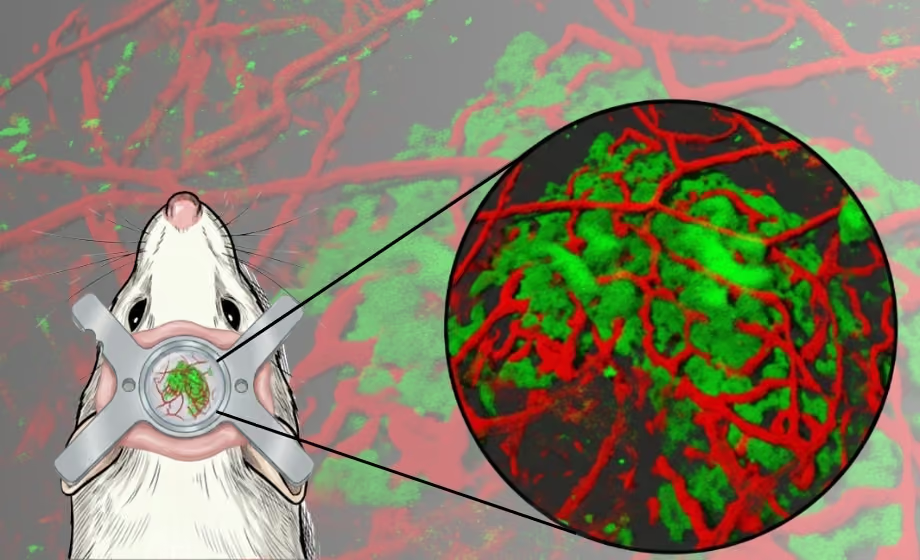
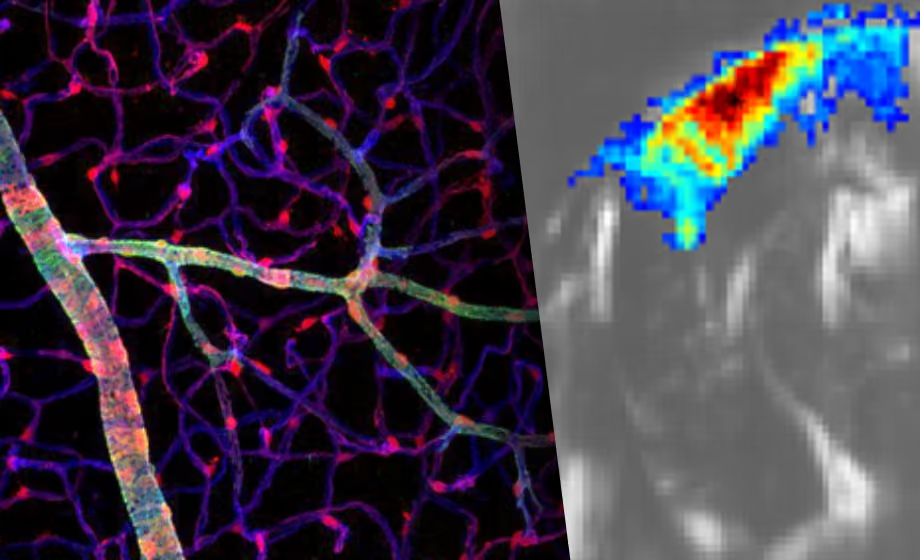
As a means to investigate the impact of secondary neuroinflammation after primary neural perturbation, Groh et al. found it is advantageous to examine the retinotectal system in mice. The retinotectal system comprises well characterized and accessible compartments of the central nervous system (CNS), and allows both invasive and non-invasive monitoring of disease progression.
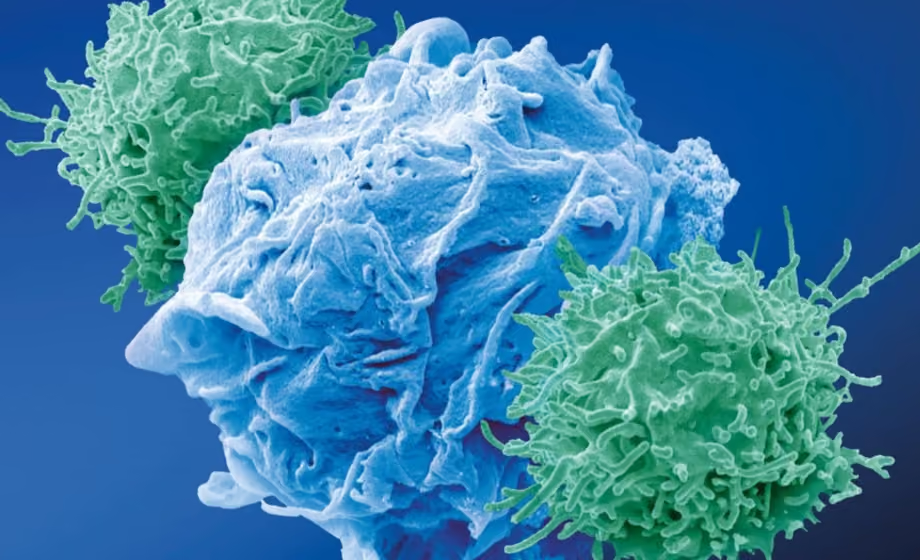
Using a combination of neurobiological and immunological techniques, Groh et al. discovered that the accumulation of cytotoxic CD8+ T cells in the aged CNS led to axon degeneration and contributed to behavioral decline. In addition, they observed that systemic inflammation aggravates T cell-mediated damage in aged mice, but not in adult mice. CD8+ T cells might therefore represent a putative target for therapeutic approaches to mitigate structural and functional decline of the CNS related to disease or aging. Pre-clinical therapeutic approaches targeting inflammation support this hypothesis in the genetic disease models. This also confirms that monitoring the retinotectal system can be a valuable strategy to assess treatment efficacy.
Featuring Insights from

Janos Groh
PhD
Janos is a lecturer in “Experimental Neurology” at the Medical Faculty of the Julius-Maximilians-University of Würzburg and a senior research associate at the Institute of Neuronal Cell Biology at the Technical University of Munich. He earned his PhD in Biology from the University of Würzburg in 2013. In 2023, he joined the Technical University of Munich as a group leader and principal investigator.
Sponsored by