Dr. DeWayne Townsend and Dr. Adam Goodwill discuss the fundamentals of pressure-volume loop analysis as a means to study cardiac function.
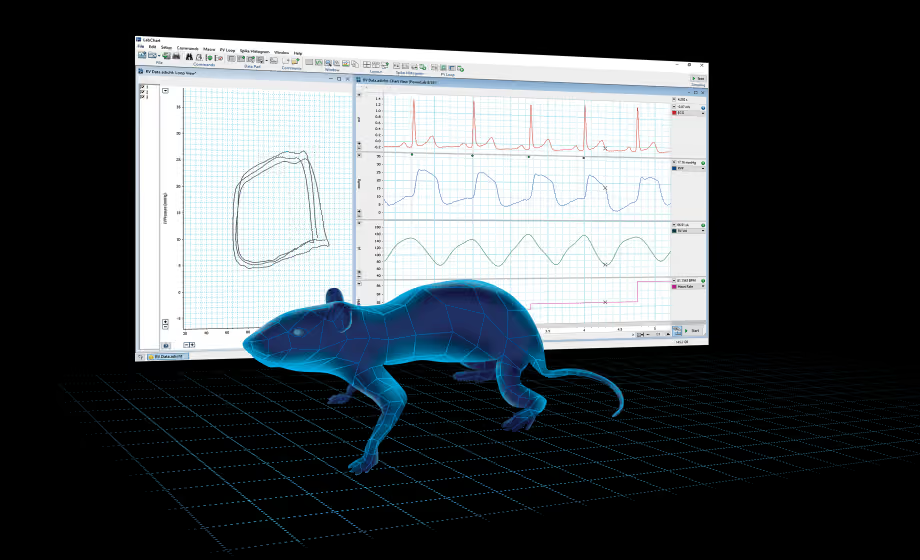
In this American Physiological Society (APS) webinar produced in partnership with ADInstruments, DeWayne Townsend, DVM, PhD and Adam Goodwill, PhD discuss how to collect and analyze quality pressure-volume loop data.
Specifically, they discuss why PV loops are considered the gold standard for measuring cardiac function in vivo, what equipment is required to collect PV loop data, and how to minimize variability in your data. The focus of the webinar is on data analysis - DeWayne and Adam demonstrate how to analyze load-independent measures of function and discuss what the data mean.
Key Topics Include:
- Why PV loops? What are the alternatives (e.g. echo, MRI, etc.) and how do PV loops compare?
- Why is the Starling effect important?
- Load independent measures: what are they and how are they measured? How are data analyzed and what do they mean?
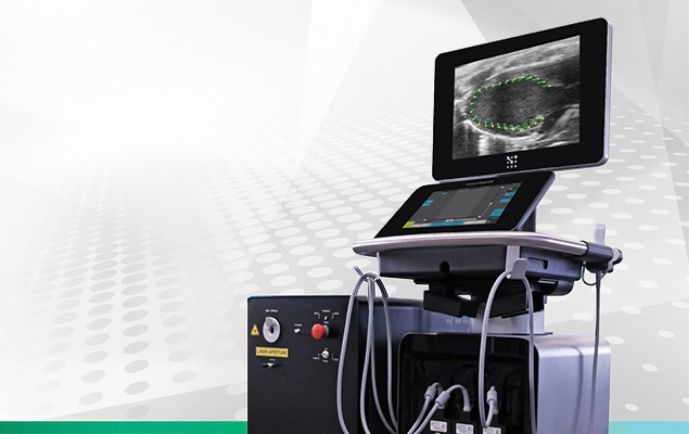
- Equipment basics: what do you need to record PV loop data?
- What causes variability and how do you mitigate it?
Featuring Insights from

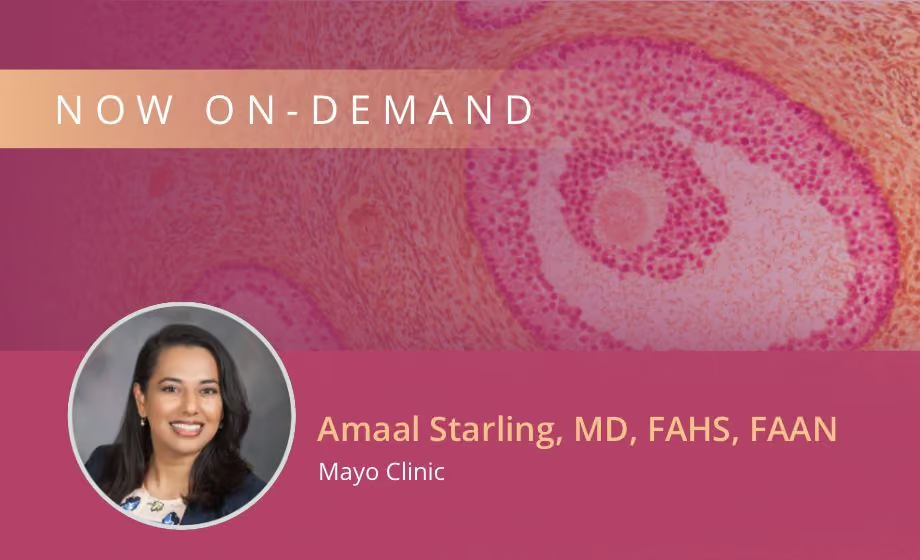
DeWayne Townsend
DVM, PhD
Dr. DeWayne Townsend’s laboratory utilizes an integrative approach to study the pathophysiological mechanisms of heart failure, with a specific focus on dystrophic cardiomyopathies. Interestingly, several of the proteins associated with these dystrophic cardiomyopathies have also been implicated in heart failure resulting from more common causes (i.e. ischemic heart disease).
His group studies heart disease at varying levels of biological complexity, from intact animals to individual adult cardiomyocytes. They also probe molecular physiology, utilizing biochemical methodologies, transgenesis, and in vivo gene transfer. This highly integrated approach provides unique insights into the pathophysiology of heart disease and ultimately will enable us to develop novel therapeutic approaches.

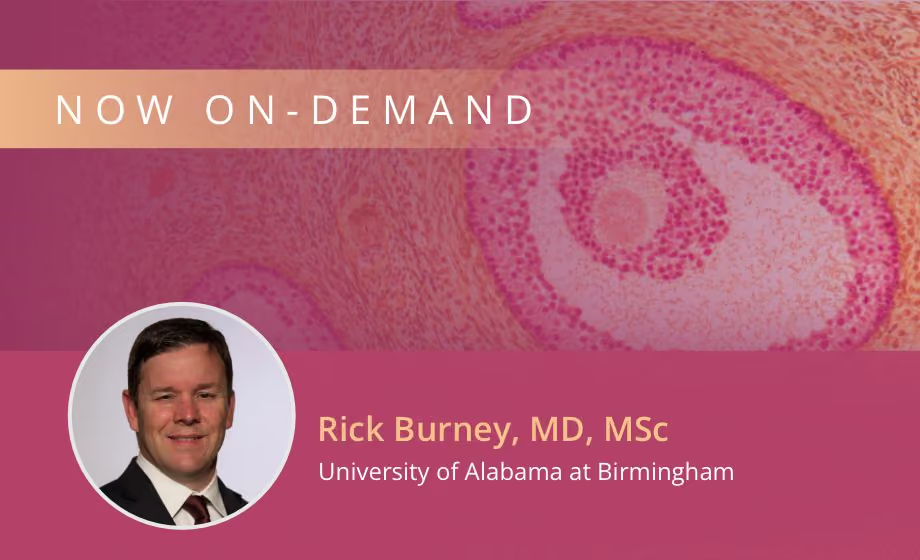
Adam Goodwill
PhD
Adam Goodwill received his PhD in the laboratory of Dr. Jefferson Frisbee at the West Virginia University School of Medicine in Morgantown WV. He performed his post-doctoral work in the laboratory of Dr. Johnathan Tune at the Indiana University School of Medicine in Indianapolis IN. Dr. Goodwill has held an academic appointment at Indiana University School of Medicine since 2015. The primary focus of Dr. Goodwill’s research career has focused on vasomotor deficits and vascular remodeling in the context of the metabolic syndrome. More recently, his work has focused on the the coordination of coronary blood flow with cardiac function under a variety of disease conditions.
Ongoing projects by his research group intend to develop new and innovative large animal models of heart failure under varying conditions. The lab’s studies routinely include a series of experimental approaches utilizing both in vivo (chronically instrumented conscious and/or acute open-chest swine) and in vitro (isolated artery rings, pressurized arterioles, Western blot, RT-PCR, immunohistochemistry, confocal microscopy) methodologies.
Sponsored by

ADInstruments
In Partnership with

American Physiological Society
Founded in 1887, the American Physiological Society is a global leader in expanding knowledge related to biological function. We connect a multidisciplinary community of nearly 10,000 scientists and educators from around the world, driving collaboration and spotlighting scientific discoveries in physiology and related disciplines. Our members are advancing treatments and cures for everything from cancer and heart disease, to obesity and addiction. They are also deepening our insight into living organisms generally, helping us to better understand how things like climate change are affecting the world around us.