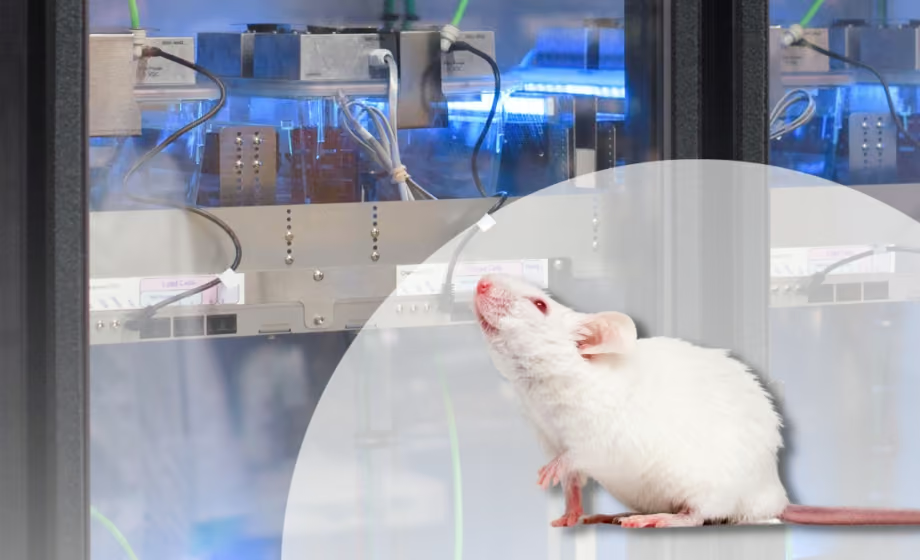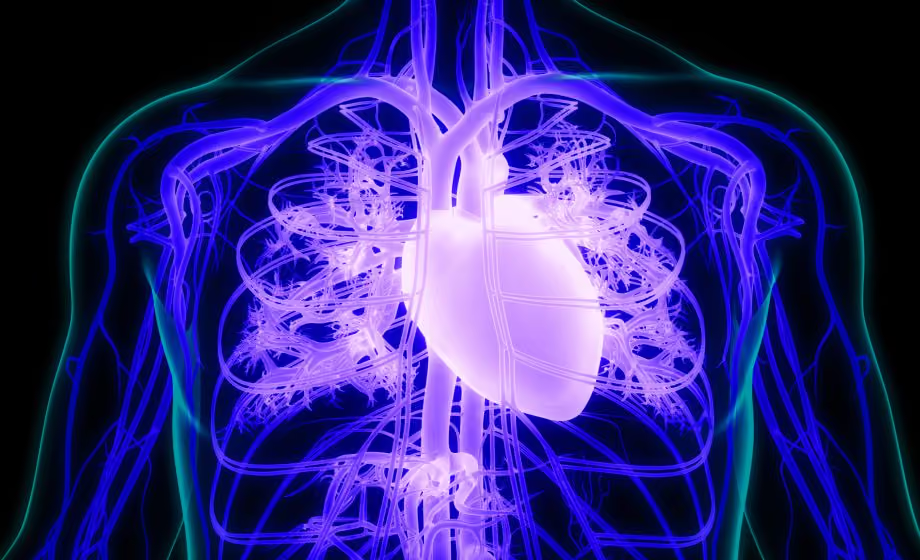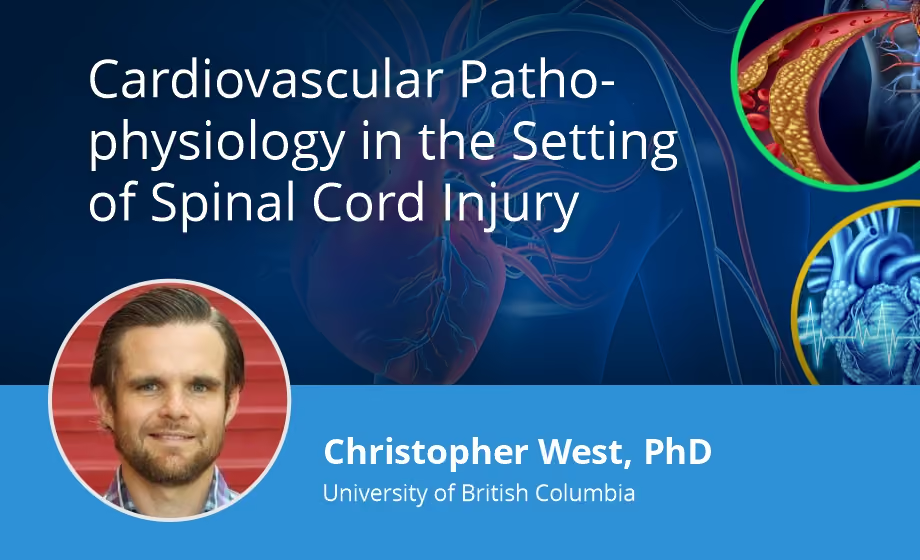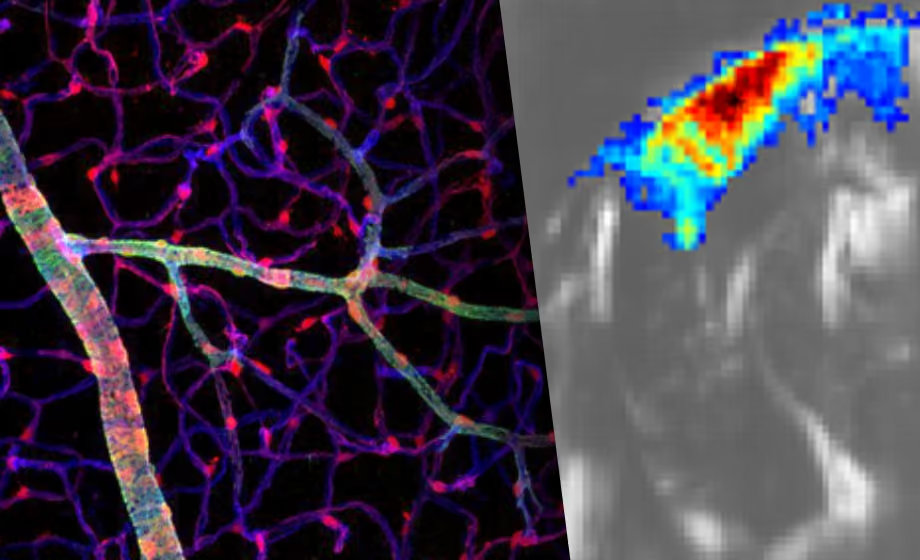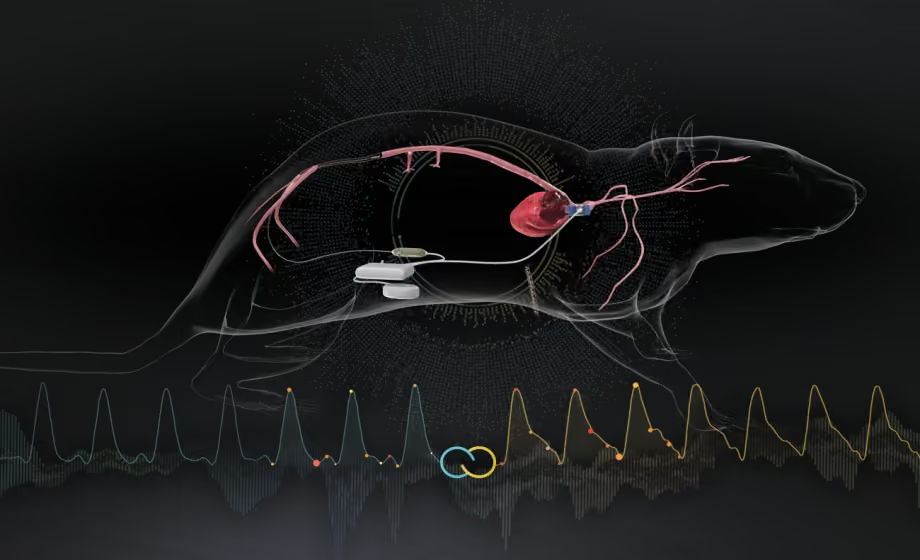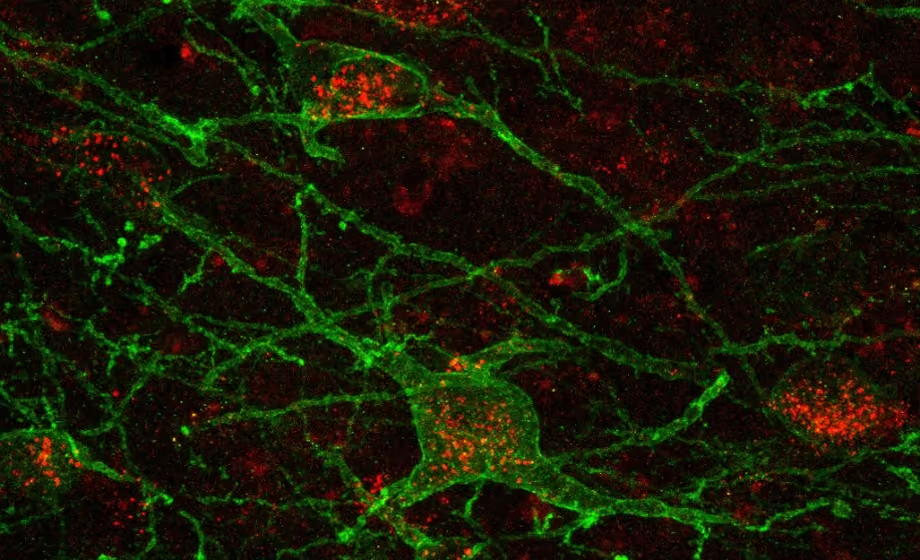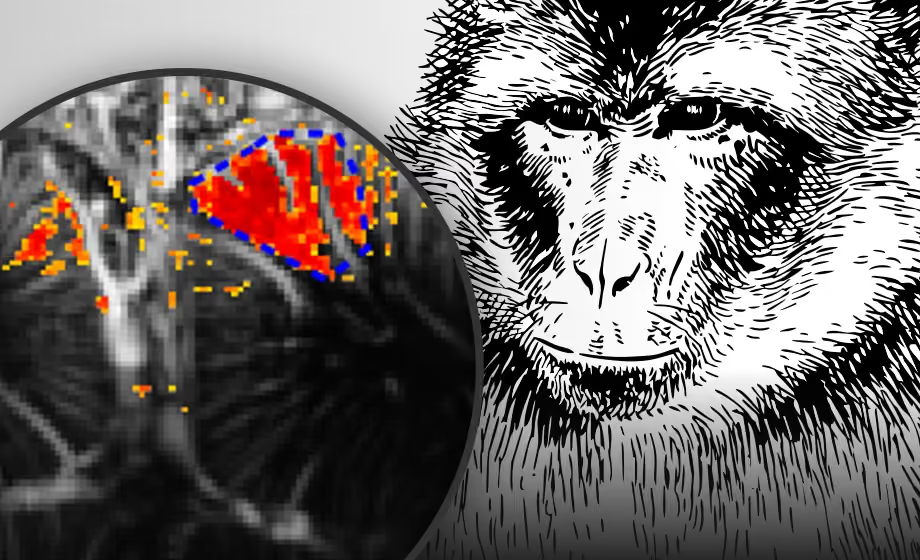
In this webinar, Professor Xuebin Qin discusses the development and characterization of severe acute respiratory syndrome coronavirus 2 (SARS-CoV-2) and human immunodeficiency virus (HIV) models. Professor Qin further demonstrates how his research group implements these models to study cardiovascular injury associated with viral infection.
In the first half of this webinar, Professor Qin presents a mouse model to study cardiovascular injury associated with SARS-CoV-2 infection. The SARS-CoV-2 virus is responsible for coronavirus disease (COVID-19) and mainly infects the lower respiratory tract, often resulting in mild symptoms or no symptoms at all. However, COVID-19 illness can be quite severe and is associated with disseminated platelet and coagulation pathway activation as well as thrombosis, which can lead to a cytokine storm, multiple organ failure, or even death.
"Why do we need to study endothelial infection and dysfunction mediated by SARS-CoV-2 infection?"
Endothelial infection and dysfunction leading to increased vascular permeability may contribute to thrombosis and other disease outcomes. Serum biomarkers and histological analyses of human samples indicate that the virus may infect endothelial cells in a variety of tissues. Furthermore, human capillary organoids generated from induced pluripotent stem cells can be infected with SARS-CoV-2. While pulmonary perivascular inflammation has been reported in many COVID-19 animal models, no study to date has used rodent models to dynamically investigate and characterize endothelial infection and dysfunction in the entire course of severe COVID-19.
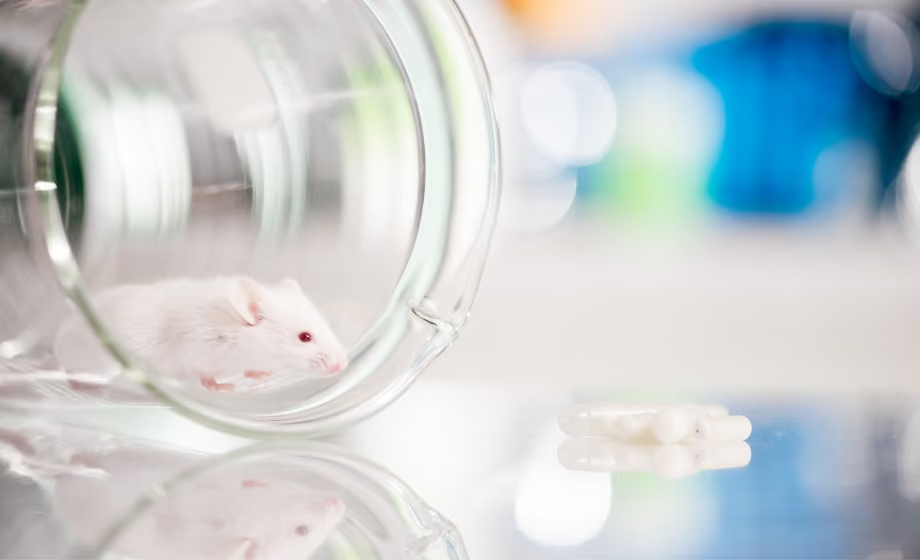
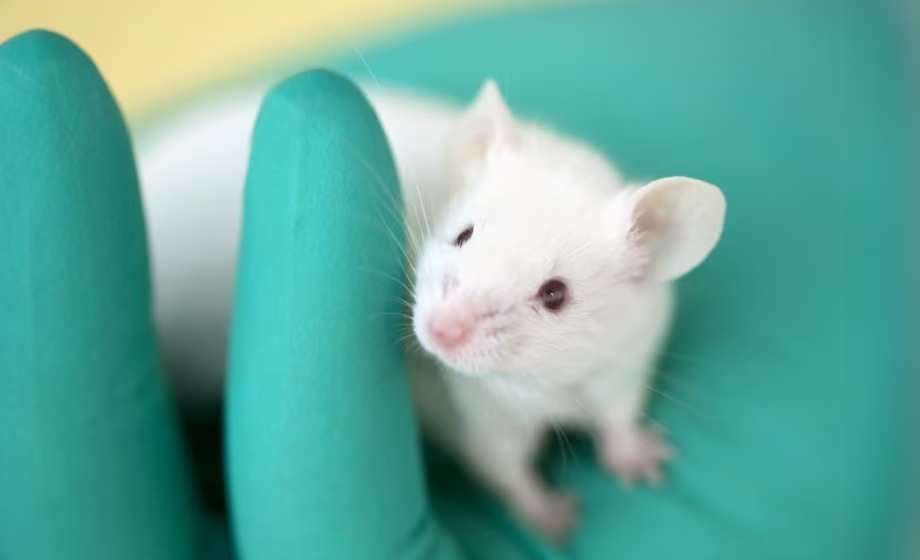
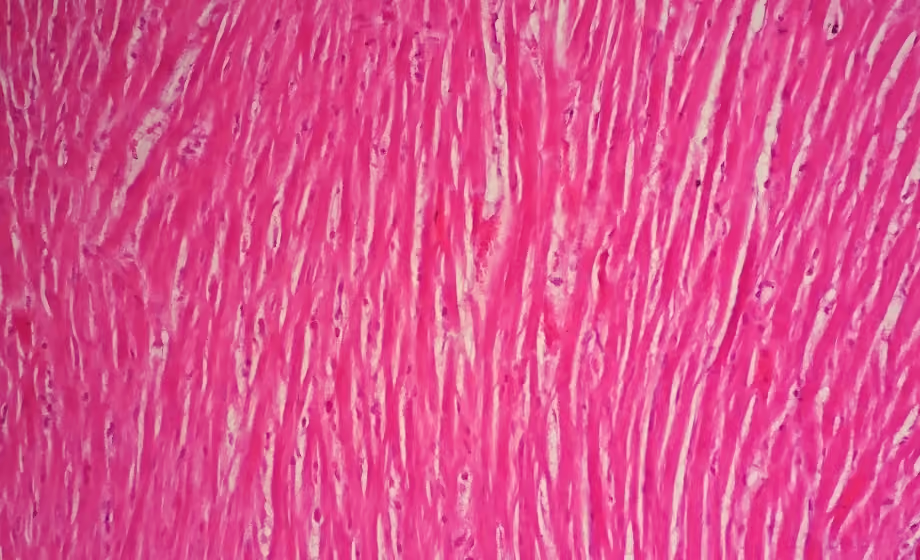
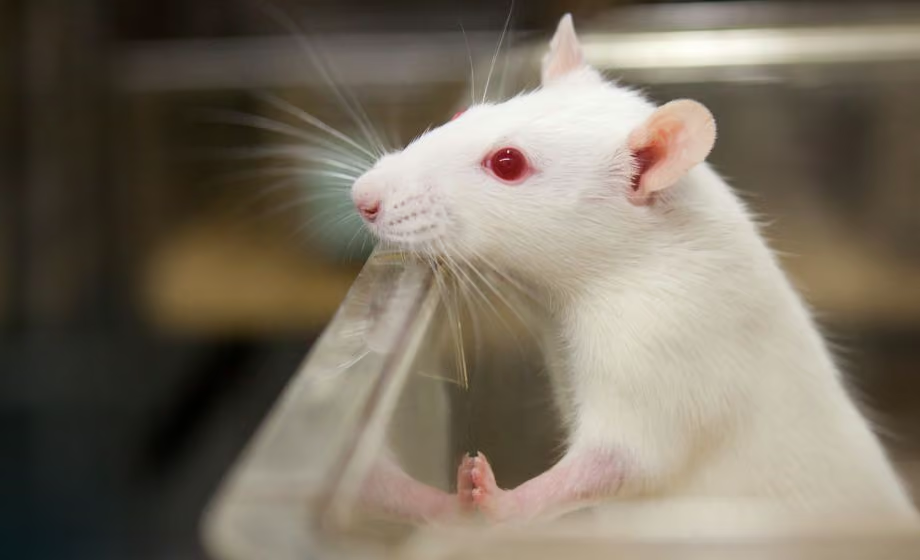
To address this research gap, the Qin group established and characterized a severe COVID-19 mouse model consisting of SARS-CoV-2-infected K18-hACE2 (K18) transgenic mice. Progressive body weight loss and fatality were observed in K18 mice at four and seven days, respectively. Moreover, a complete blood count revealed lymphocytopenia and eosinopenia in infected K18 mice, which are conditions that have been observed in severe COVID-19 cases in humans. Lung histological changes were also noted in these mice, as well as damage to the brain, spleen, liver, and heart.
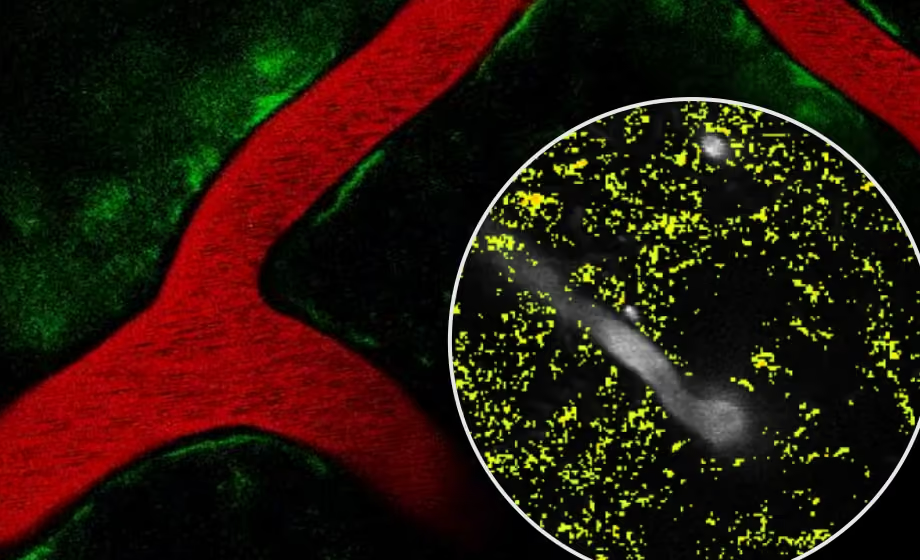
Lung infection was identified as the main determinant of COVID-19 in K18 mice infected with SARS-CoV-2. Endothelial activation and dysfunction in pulmonary vessels were evidenced by the upregulation of biomarkers VCAM-1 and ICAM-1 and downregulation of VE-cadherin. SARS-CoV-2 was also detected in the pulmonary endothelial cells of nonhuman primates (NHPs) and in autopsy samples from patients who died of COVID-19; endothelial dysfunction was also observed in these samples.
In the second half of this webinar, Professor Qin focused on CVD associated with HIV infection. The frequency of AIDS-related deaths has greatly decreased following the introduction of combination antiretroviral therapy. However, HIV infection is associated with an increased risk of ASCVD, which can lead to stroke, myocardial infarction, and sudden cardiac death. Atherosclerosis has been noticed in HIV elite controllers (i.e., HIV-infected individuals who never develop symptoms and require no medication), suggesting that chronic HIV infection accelerates atherosclerosis.
"We still have two questions we don't understand in the field and need to address. Does chronic HIV infection alone accelerate atherosclerosis? What are the mechanisms?"
The current understanding of HIV-associated ASCVD and cellular mechanisms is based on imaging and biomarker studies. Monocyte and macrophage activation are highly correlated with HIV-associated ASCVD, but related mechanisms have not been studied. Professor Qin hypothesizes two signalling pathways: caspase-1 (casp-1) and indoleamine 2,3-dioxygenase (IDO). For these studies, the Qin group has crossed Tg26 mice, which transgenically express HIV-1, with apolipoprotein E-deficient mice (Tg26+/-/ApoE-/-) to promote atherogenic conditions. Accelerated atherosclerosis was observed in the aorta of Tg26+/-/ApoE-/- mice but not in ApoE-/- control mice, indicating that HIV infection alone accelerates atherosclerosis.
Previous studies have found casp-1 pathway activation in vulnerable atherosclerotic patient plaques. As demonstrated in ApoE-/- mice, knocking out components of this pathway has been shown to greatly attenuate plaque formation. The Qin group noticed an increase in casp-1 activity in the vasculature of Tg26+/-/ApoE-/- mice, as well as increased cytokine IL-1β and IL-18 levels in their serum. Clinical sample studies further revealed increased levels of circulating IL-18 in HIV patients with plaque, which is correlated with macrophage activation.
IDO activity was studied by measuring the kynurenine to tryptophan ratio (KTR). Increased KTR has been observed in patients with coronary artery disease and has even been associated with an increased risk of acute myocardial infarction. Furthermore, IDO activity has been found to be associated with HIV reservoir size in patients receiving combination antiretroviral therapy. The Qin group has demonstrated increased kynurenine levels and IDO activity in Tg26+/-/ApoE-/- mice which correlates with atherogenesis. IDO pathway activation was also associated with an increase in the inflammatory cytokine IL-6. In conclusion, Professor Qin has demonstrated that chronic HIV infection alone accelerates atherosclerosis, which may occur through the activation of casp-1 and/or IDO pathways.
Webinar Highlights
- Mouse and nonhuman primate models for the study of cardiovascular disease (CVD) associated with SARS-CoV-2 and HIV infection
- How SARS-CoV-2 infects lung endothelial cells and mediates endothelial dysfunction
- Characterizing factors such as inflammation, edema, hemorrhage, lymphocytopenia, and eosinopenia in SARS-CoV-2-infected mice
- Risk of atherosclerosis-associated CVD (ASCVD) in individuals living with HIV
- Mechanisms by which chronic HIV infection accelerates atherosclerosis in mice models and in patient cohorts
Featuring Insights from
Xuebin Qin
MD, PhD
Dr. Xuebin Qin's research focuses on defining the role of innate immunity including complement system and monocyte activation in the pathogenesis of human diseases, such as HIV infection, HIV-associated cardiovascular diseases, and on developing a novel cell ablation research tool for broad scientific applications. He has extensive expertise in immunology, monocyte & macrophage biology, complement, HIV-1 therapy, atherosclerosis, and cancer biology. One of Dr. Qin's research focuses has been to identify novel approach targeting complement system for HIV-1 therapy. Another portion of his research is to investigate HIV-associated cardiovascular diseases, such as atherosclerosis. His major contributions to the fields include: 1) generation a novel and potent anti-MAC regulator CD59 inhibitor, a potential therapeutic candidate for control HIV-1 infections. 2) generation of the novel mouse model for HIV-associated atherosclerossi, 3) establishment of the causative role of MAC in atherosclerosis, 4) documentation of the inhibition of MAC with a targeted complement inhibitor as a potential novel approach for the treatment of atherosclerosis-associated complications, and 5) generation of a human CD59 mediated novel cell ablation for dissecting immune cell functionality and differentiation.
Sponsored by
ALZET
In Partnership with
American Physiological Society
Founded in 1887, the American Physiological Society is a global leader in expanding knowledge related to biological function. We connect a multidisciplinary community of nearly 10,000 scientists and educators from around the world, driving collaboration and spotlighting scientific discoveries in physiology and related disciplines. Our members are advancing treatments and cures for everything from cancer and heart disease, to obesity and addiction. They are also deepening our insight into living organisms generally, helping us to better understand how things like climate change are affecting the world around us.
Autoimmune Association
How we do it?
The Autoimmune Association office is in Eastpointe, Michigan just outside of Detroit. We are a small, dedicated team and we work hard to achieve our mission. Every patient matters to us. Every donation is treated with the utmost respect, and we greatly appreciate contributions in every size and shape.
Our office space was once a physician’s office. Where patients once were treated, we now work to ensure autoimmune patients have the resources and knowledge for their own treatments as well as advance awareness and research into autoimmune diseases.- We help autoimmune disease patients all over the world by connecting them to resources and information
- We hold awareness walks around the country throughout the year
- Our Facebook page has the latest on research and other autoimmune disease news
Ask anyone with an autoimmune disease, and they will tell you how frustrating it is.
With over a hundred autoimmune diseases, impacting approximately one in five people, you more than likely know several people fighting against one or more autoimmune disease. Right from the beginning when trying to get a diagnosis, patients can often be seen by multiple doctors and specialists over the course of several years before starting treatment and getting relief from their disease. Then comes the battle of fighting a chronic illness, and the costs associated with adequate care. This is unacceptable. The Autoimmune Association’s goal is to increase research by scientists for better advancements in the autoimmunity field, and to increase awareness of autoimmune diseases themselves, so that diagnoses are made quicker. Visit autoimmune.org to learn more and donate to the cause