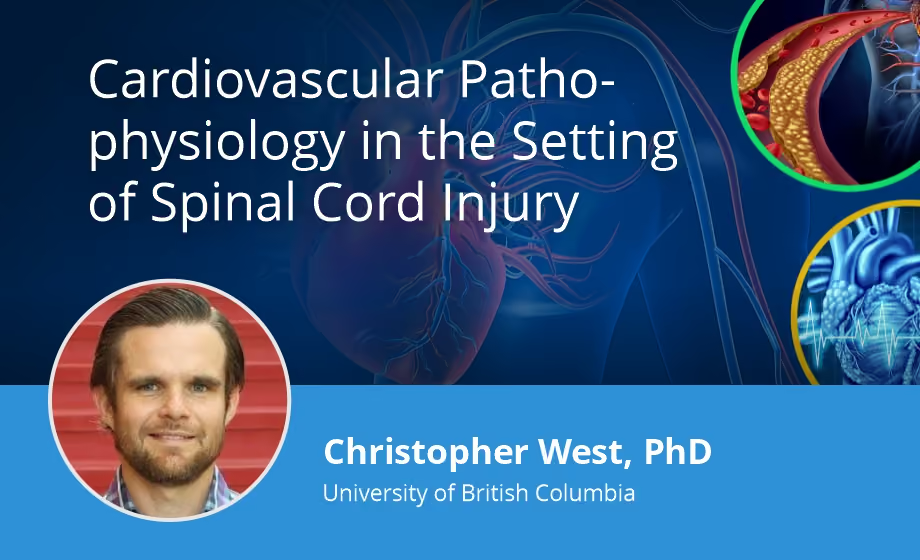
In this webinar, Christopher West, PhD, shares his research on the autonomic and cardiovascular changes that occur following spinal cord injury (SCI) and shares insight into the current and past state of SCI research.
In this webinar, Christopher West, PhD, shares his research on the autonomic and cardiovascular changes that occur following spinal cord injury (SCI) and shares insight into the current and past state of SCI research. 
Dr. West begins this webinar by discussing the history of SCI research and how he became interested in this field. Traditionally, SCI has been considered a permanent, untreatable debilitation. When the first dedicated SCI research unit was launched in 1944, their main focus was on the paralysis that accompanies this illness. Since then, a majority of spinal cord research has focused on cellular responses to injury and whether cell therapies could improve motor and sensory functions. While these motility impairments are the most obvious sign of injury, several other changes occur in various body systems following an SCI. For example, researchers have observed abnormalities in the autonomic nervous system after SCI, specifically in its ability to regulate the cardiovascular and renal systems
Dr. West became interested in this field of research after noticing that tetraplegic individuals had no significant change in heart rate or stroke volume when exercising at maximum intensity. This effect was not observed in paraplegic individuals, indicating that it was not solely a result of SCI. To investigate the autonomic and cardiovascular effects of SCI, Dr. West's laboratory utilizes both preclinical models and patient population data. 
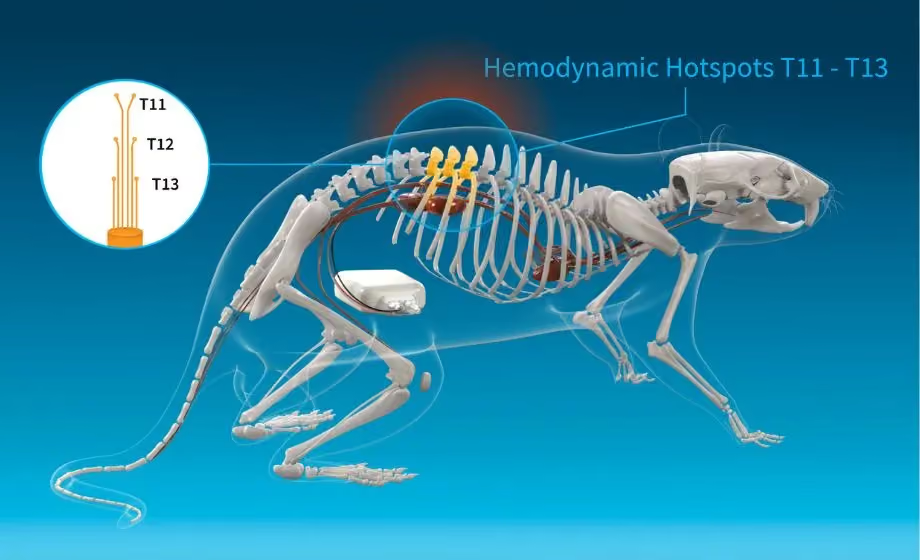
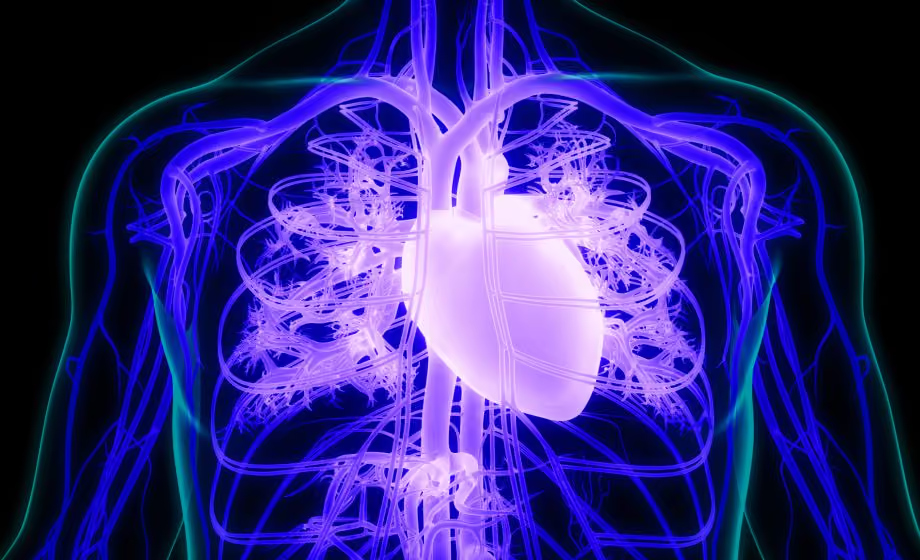
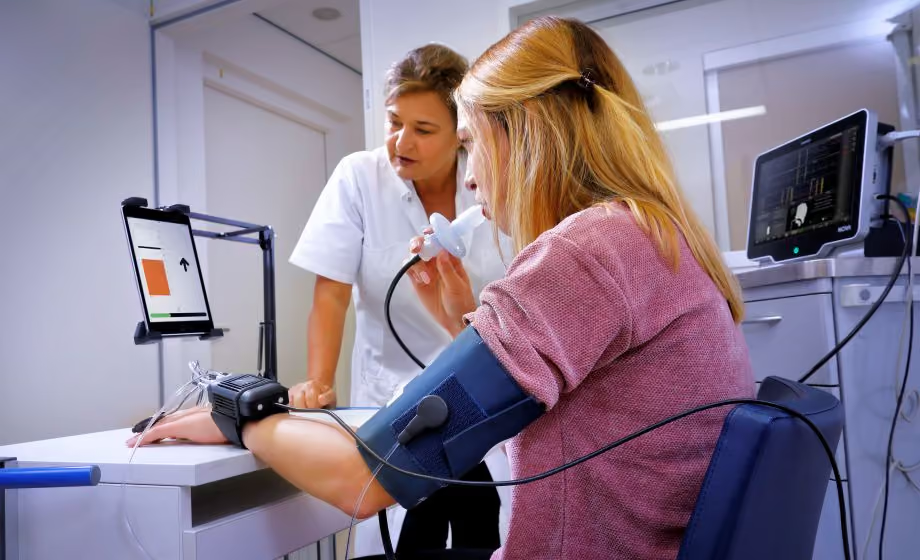
In one study of how the human heart responds to SCI, Dr. West's group first performed a meta-analysis of all echo studies done within this field. When compared to able-bodied individuals, those with SCI exhibited lower left ventricular volumes, dimensions, and mass indices, but had equivalent ejection fractions. Dr. West's laboratory then confirmed these studies for themselves and developed rat and porcine models of SCI to help advance basic and preclinical cardiovascular research.
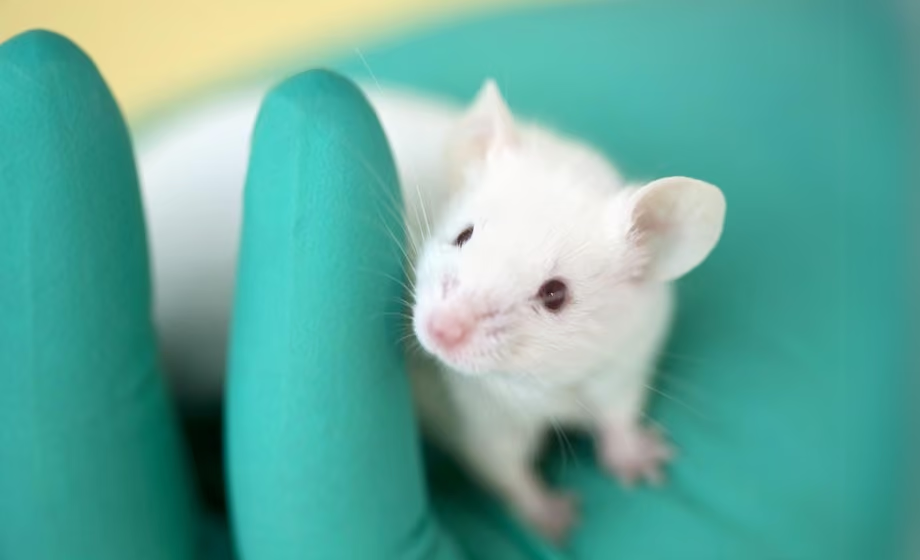
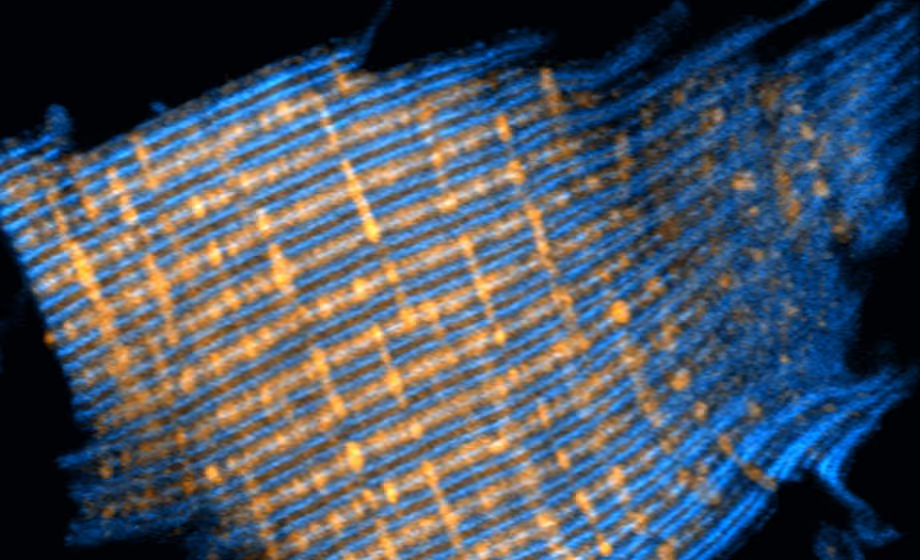
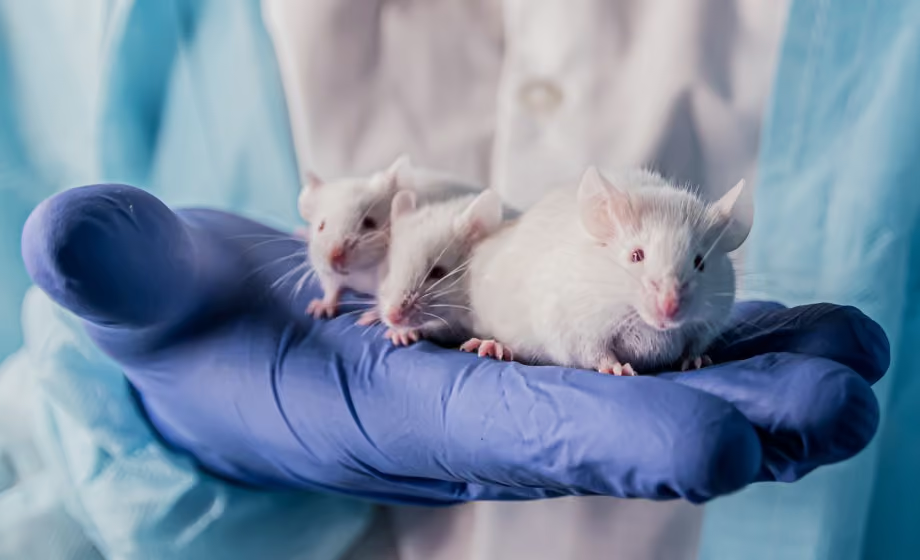
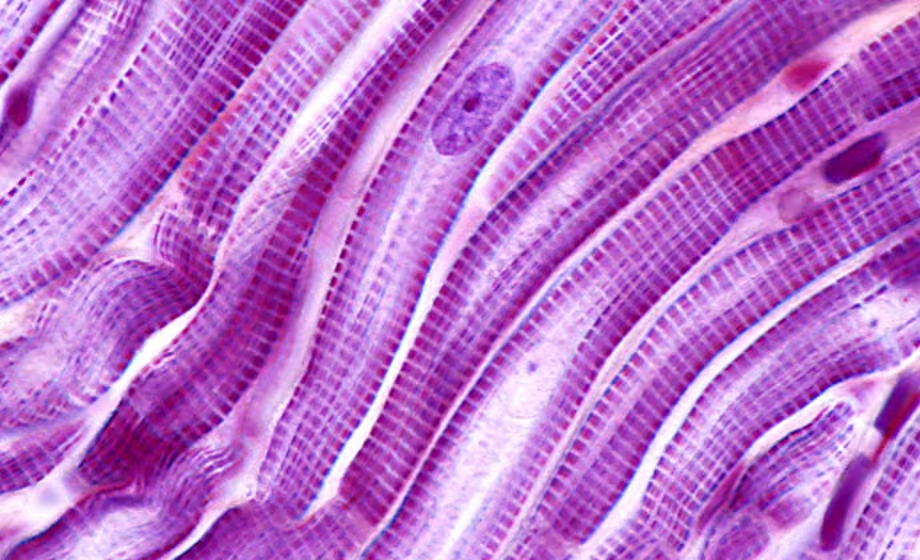
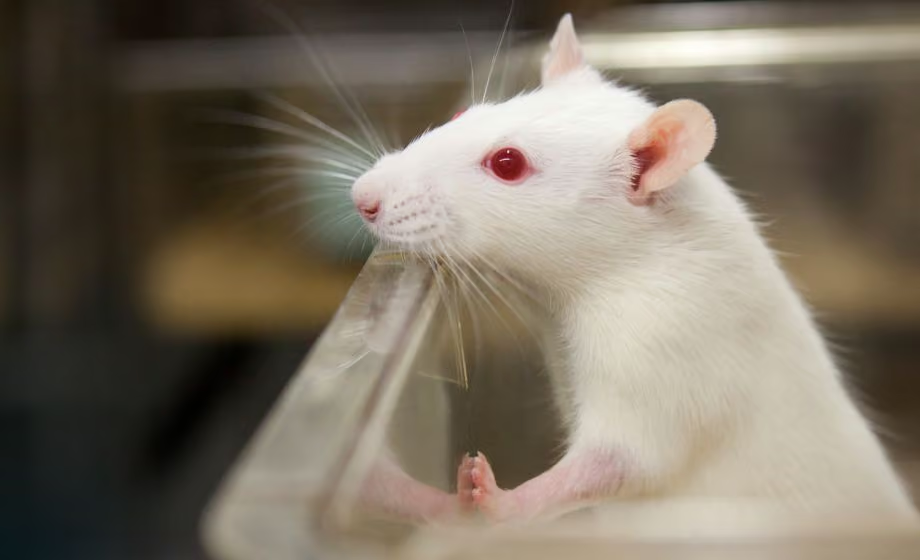
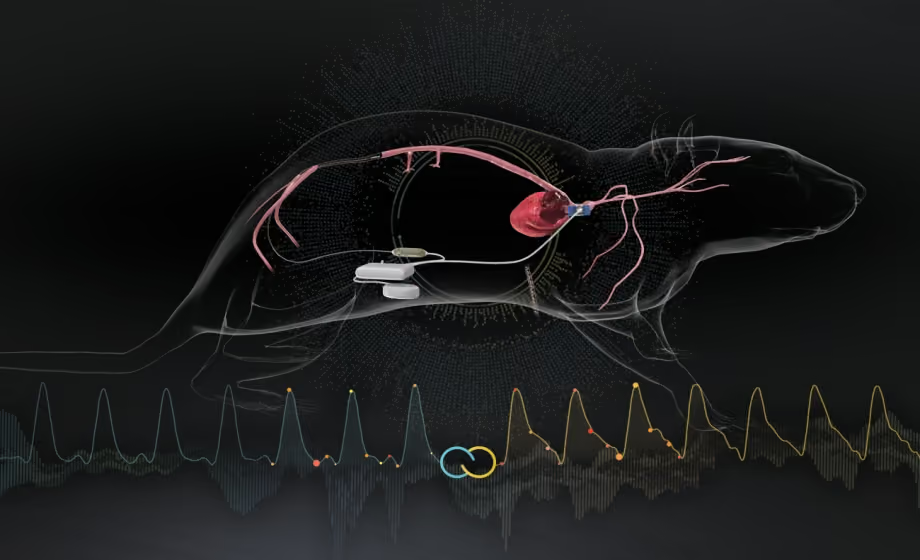
This rat model had a midline contusion injury induced at the T2/T3 spinal segment, resulting in an incomplete injury, much like what would be observed clinically. While injuries to the lower thoracic region had been previously modeled in pigs, Dr. West's laboratory extended it up to the T2 segment. Using these animal models of SCI, Dr. West was able to observe reduced sympathetic nerve activity, blood pressure, and cardiac volume and contractility, as well as increased cardiomyocyte atrophy. 
"[There is] about a 30% reduction in pressure-generating capacity after injury. This is sustained [long-term]."
To conclude this webinar, Dr. West highlights some acute and chronic interventions available to those suffering from an SCI, as well as where he sees for the future of this field. While few acute interventions are effective in spinal cord healing, increased blood flow in the acute setting can help drive increased perfusion into the spinal cord, which can then help reduce the effects of secondary injury in the long term.
In contrast, chronic interventions appear to be more effective in remediating some of the vasculature and circuitry. For example, intermittent hypoxia has been shown to improve plasticity throughout the carotid artery, resulting in long-term facilitation within various motor pools. Epidural stimulation has also been shown to improve spinal cord circuitry and increase cardiac pressure. While these chronic interventions may not return the individual to their previous activity level, these therapies could improve their circuitry and nervous system control. 
Dr. West hopes to see improvements in all aspects of this field of research, both in animal models as well as in clinical practice. Currently, Dr. West is focused on linking the anatomical and functional plasticity of animal models, as well as improving cord oxygenation and reducing secondary injury in the acute setting. In the chronic setting, he plans to employ techniques like activity-based therapy, electrical stimulation, and hypoxia/hypercapnia to help individuals with SCI recover their motor and autonomic functions.
Webinar Highlights
- Cardiovascular pathology of spinal cord injury (SCI)
- Large and small animal models of SCI
- Interventions to improve cellular communication and vasculature
Featuring Insights from

Christopher West
PhD
Director of the Translational Integrative Physiology Laboratory, Dr. West’s research program at UBC aims to understand the autonomic pathways that control the cardiovascular system and to use this knowledge to develop and test novel therapies for restoring autonomic control in the setting of spinal cord injury (SCI).
Sponsored by
Transonic Systems Inc.
In Partnership with
American Physiological Society
Founded in 1887, the American Physiological Society is a global leader in expanding knowledge related to biological function. We connect a multidisciplinary community of nearly 10,000 scientists and educators from around the world, driving collaboration and spotlighting scientific discoveries in physiology and related disciplines. Our members are advancing treatments and cures for everything from cancer and heart disease, to obesity and addiction. They are also deepening our insight into living organisms generally, helping us to better understand how things like climate change are affecting the world around us.

European Council for Cardiovascular Research
The history of the European Council for Cardiovascular Research (ECCR) goes back more than 30 years when the ‘European Blood Pressure Group’ held its first meeting in March 1979 in Cambridge, UK. To date more than 30 international meetings have been held in various European locations. For more information about ECCR history click here.
The mission of ECCR is to promote prevention, diagnosis and treatment of disease and the preservation and protection of good health through experimental and clinical research in hypertension, cardiovascular and metabolic disease.
ECCR holds an Annual Meeting in October. The purpose of these scientific meetings is to provide a forum for active clinical and non-clinical researchers to discuss important aspects of their work, to advance and strengthen European research in the field of cardiovascular disease, high blood pressure and cardiometabolic disease. The meetings bring together both senior and junior scientists from the leading European groups in the field of cardiovascular research.
ECCR is a member of the Council for Basic Cardiovascular Science (CBCS) of the European Society of Cardiology (ESC), whose aims are to enhance the importance of basic science to clinical cardiology and act as a Europe wide forum for cardiovascular research societies, and a conduit for positive collaboration.