Webinar Summary
- Muscle glucose uptake requires delivery to, transport into, and phosphorylation within the muscle cell.
- The glucose transporter, GLUT4, is contained in vesicles in the cell that are translocated to the cell surface in response to stimuli such as insulin and exercise.
- GLUT4 abundance in the plasma membrane determines control of glucose uptake by glucose delivery and phosphorylation.
- Inflammation that accompanies obesity causes increased extracellular matrix.
- Extracellular matrix proteins affect insulin action by binding to integrin receptors.
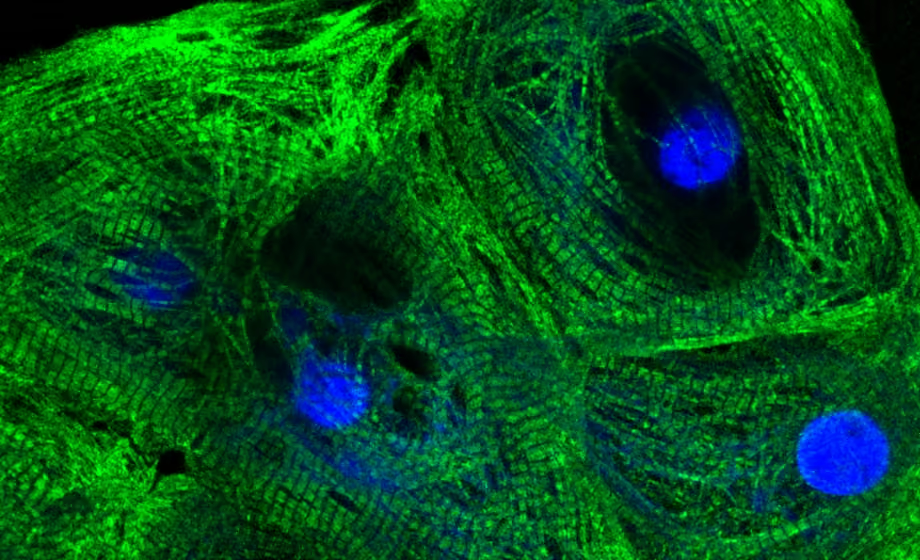
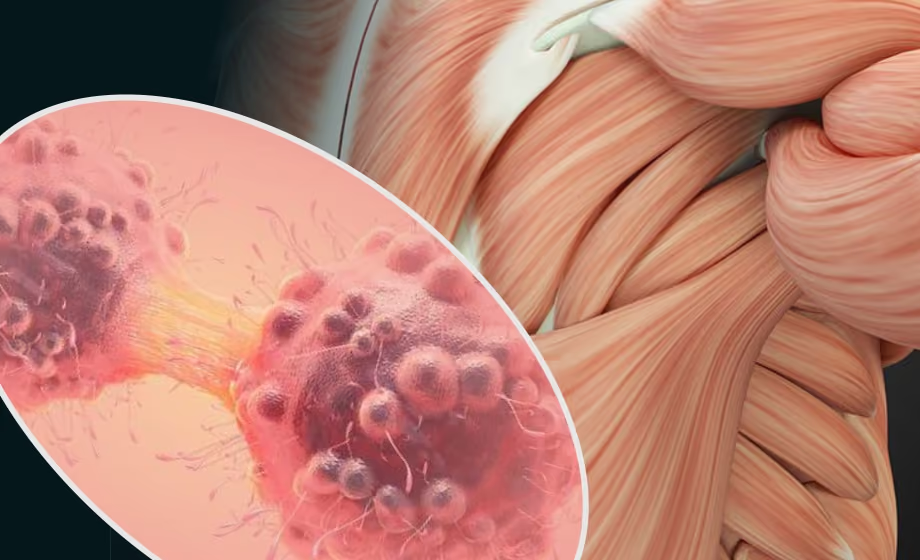
Muscle glucose uptake requires that glucose be delivered to the myocyte by the circulation, enter the myocyte by cell membrane glucose transporters, and is phosphorylated within the myocyte by a hexokinase. While each of these three steps are necessary for glucose uptake, their importance may vary depending on physiological and pathophysiological conditions. The focus of research has been on the control of muscle glucose uptake by the glucose transporter, GLUT4. Studies of GLUT4 using genetic mouse models and humans show that glucose transport is the fulcrum that determines how control of glucose uptake is shared. Insulin and exercise cause a robust translocation of GLUT4 containing intracellular vesicles to the plasma membrane, making the muscle highly permeable to glucose. As the capacity to transport glucose increases in response to GLUT4 translocation, control of muscle glucose uptake naturally shifts so that glucose myocyte delivery and glucose phosphorylation are potentially more important.
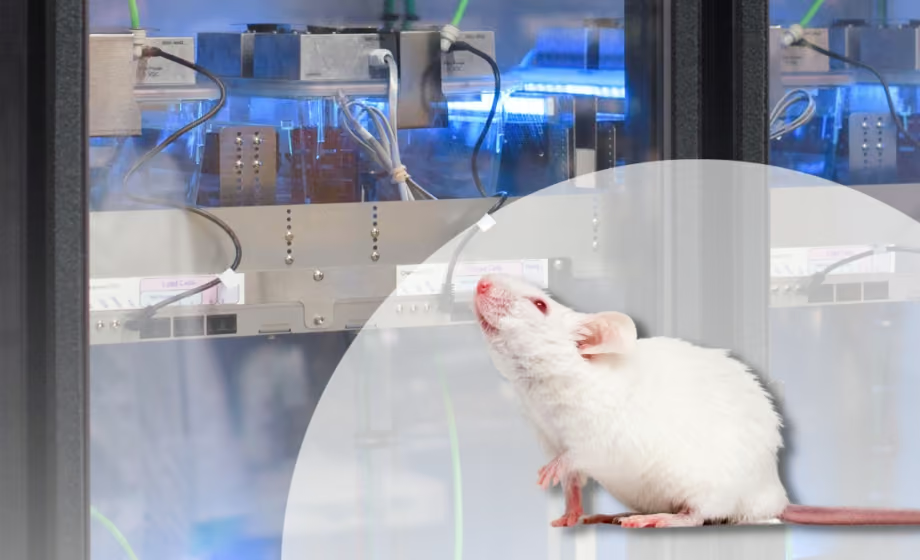
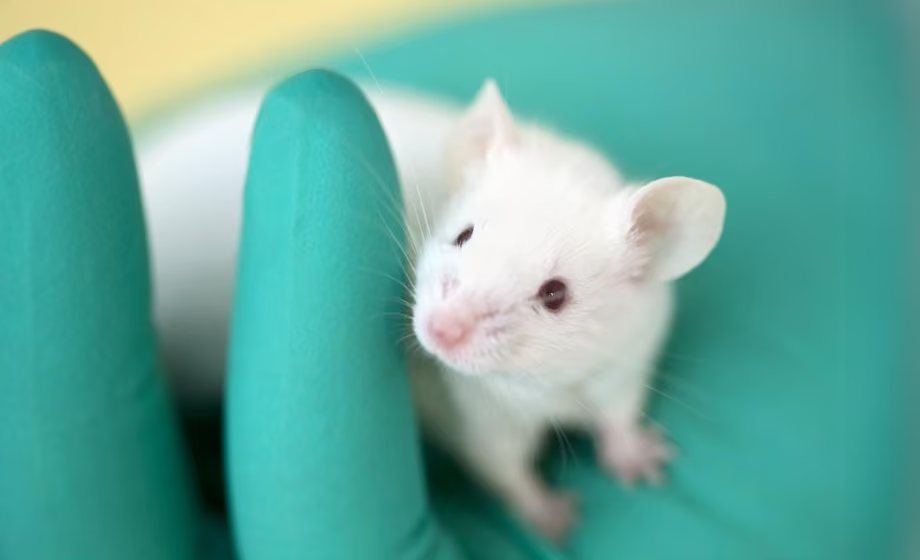
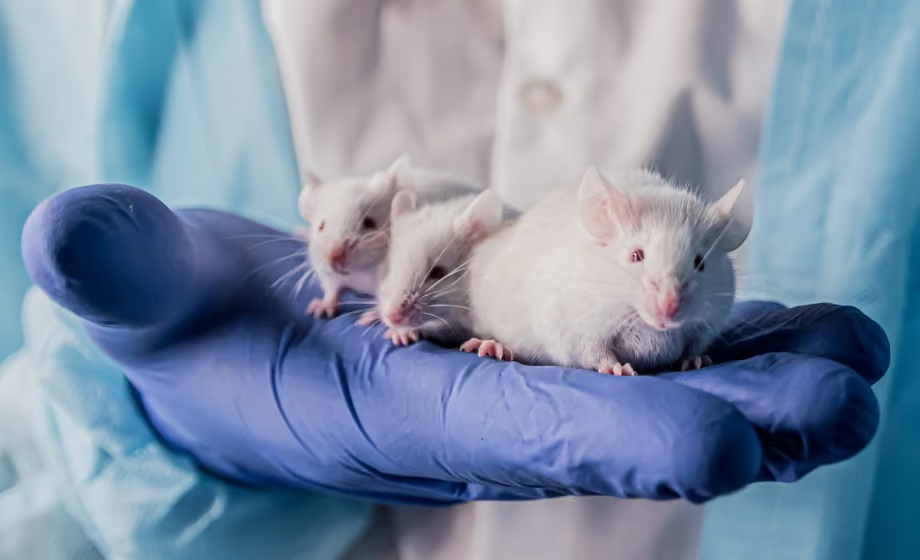
In recent years, the Wasserman Lab has used mouse models to focus on the extracellular matrix (ECM) of insulin-sensitive tissue as a control site for muscle glucose uptake. They study whether ECM components activate ligands for cell surface integrin receptors. The hypothesis is that the proliferation of ECM components of diet-induced obesity contributes to an insulin resistant state through its interactions with integrin receptors.
Featuring Insights from

David Wasserman
PhD
David Wasserman, PhD is Professor of Molecular Physiology & Biophysics and AM Lyle Chair of Biomedical Sciences at Vanderbilt University. Dr. Wasserman has been Director of the NIDDK Vanderbilt Mouse Metabolic Phenotyping Center since 2001 and on the Executive Committee of the Vanderbilt Diabetes Research Center since 2007.
Sponsored by

Kent Scientific Corporation
In Partnership with
American Physiological Society
Founded in 1887, the American Physiological Society is a global leader in expanding knowledge related to biological function. We connect a multidisciplinary community of nearly 10,000 scientists and educators from around the world, driving collaboration and spotlighting scientific discoveries in physiology and related disciplines. Our members are advancing treatments and cures for everything from cancer and heart disease, to obesity and addiction. They are also deepening our insight into living organisms generally, helping us to better understand how things like climate change are affecting the world around us.