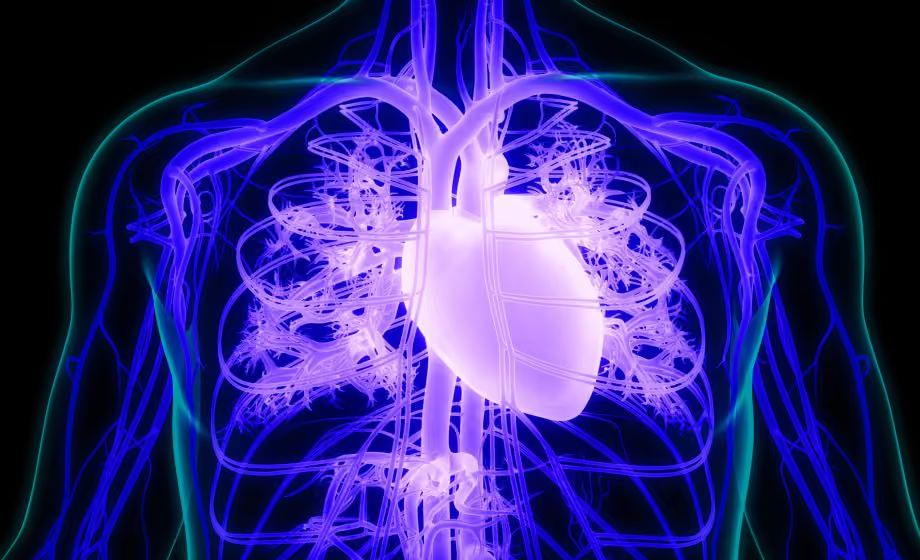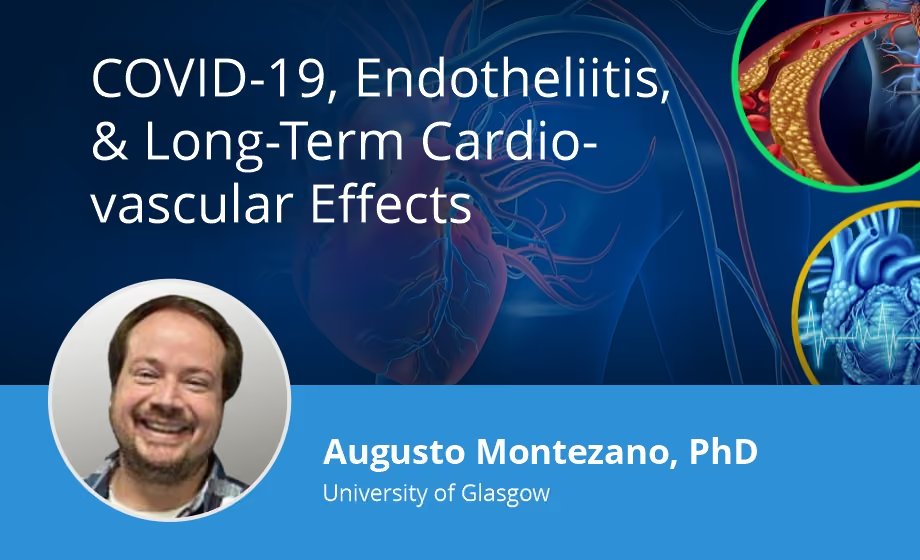
In this webinar, Dr. Augusto Montezano shares his research that investigates the role of endothelial inflammation and ACE2 biology in COVID-19 infections and long-term effects.
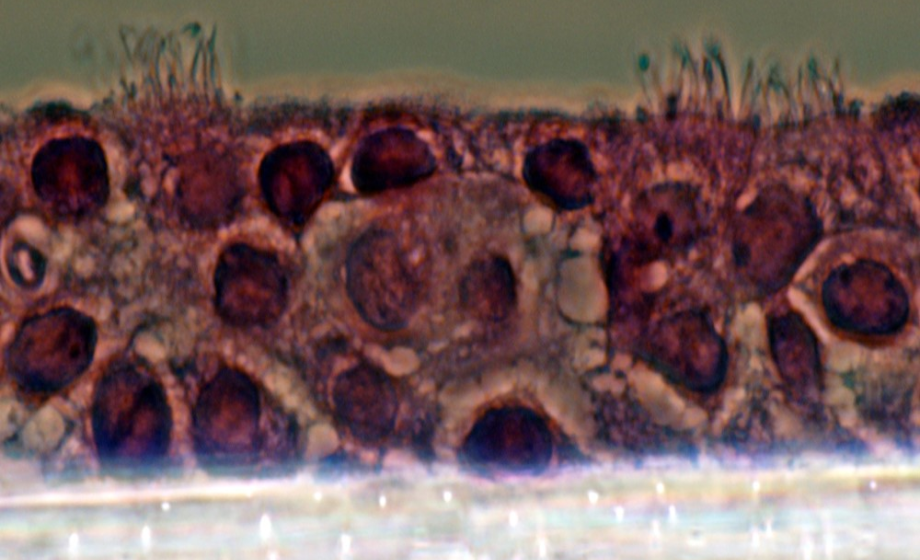
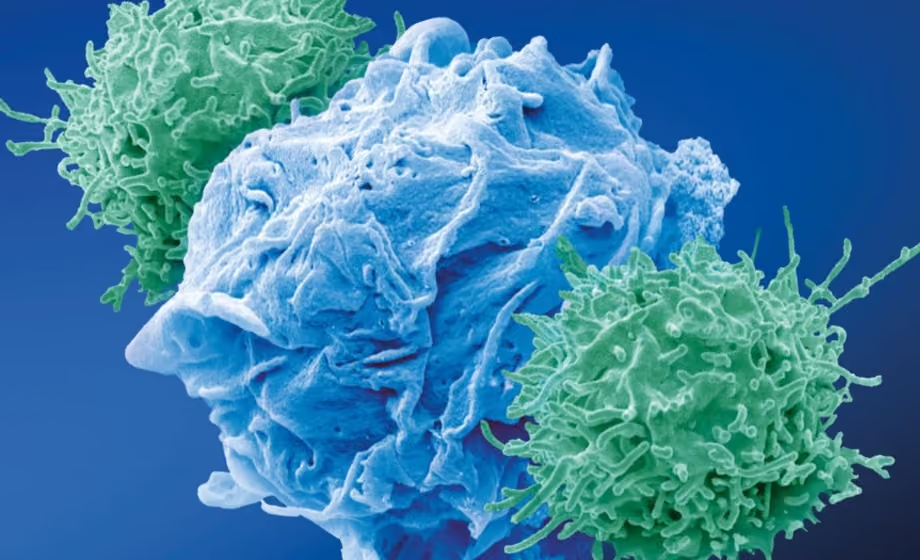
COVID-19 association with cardiovascular disease is thought to be due to endothelial cell inflammation. ACE2 interactions with SARS-CoV-2 spike protein S1 subunit are important to viral infection. In Dr. Montezano's group, they questioned whether SARS-CoV-2 induces vascular inflammation via ACE2 and whether this is related to viral infection. By exposing human microvascular endothelial cells to recombinant S1p (rS1p), they observed that rS1p induces a potent inflammatory response via an ACE2-dependent manner, without affecting ACE2 activity. Their findings suggest that vascular inflammation in COVID-19 involves activation of ACE2-mediated pro-inflammatory signaling that may be unrelated to viral replication.
Featuring Insights from
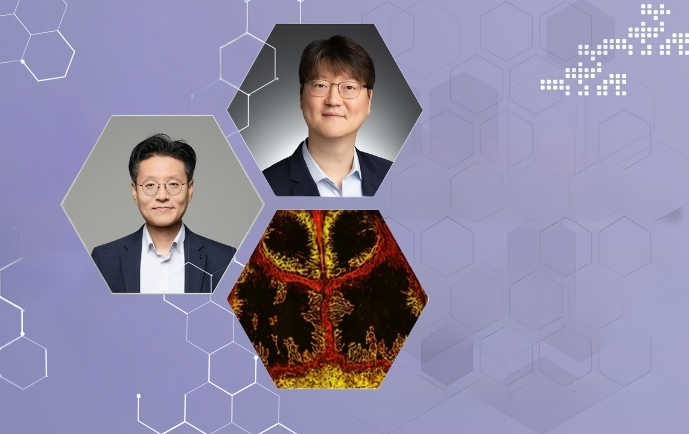
Augusto Montezano
PhD
Augusto Montezano completed his PhD (Pharmacology) in 2006, at the University of Sao Paulo, Brazil. In 2018, he became a Walton Fellow in Cardiovascular Medicine at the Institute of Cardiovascular and Medical Sciences at the University of Glasgow. His research focuses on hypertension, vascular calcification and SARS-CoV-2/ACE2 vascular effects.
In Partnership with
American Physiological Society
Founded in 1887, the American Physiological Society is a global leader in expanding knowledge related to biological function. We connect a multidisciplinary community of nearly 10,000 scientists and educators from around the world, driving collaboration and spotlighting scientific discoveries in physiology and related disciplines. Our members are advancing treatments and cures for everything from cancer and heart disease, to obesity and addiction. They are also deepening our insight into living organisms generally, helping us to better understand how things like climate change are affecting the world around us.
European Council for Cardiovascular Research
The history of the European Council for Cardiovascular Research (ECCR) goes back more than 30 years when the ‘European Blood Pressure Group’ held its first meeting in March 1979 in Cambridge, UK. To date more than 30 international meetings have been held in various European locations. For more information about ECCR history click here.
The mission of ECCR is to promote prevention, diagnosis and treatment of disease and the preservation and protection of good health through experimental and clinical research in hypertension, cardiovascular and metabolic disease.
ECCR holds an Annual Meeting in October. The purpose of these scientific meetings is to provide a forum for active clinical and non-clinical researchers to discuss important aspects of their work, to advance and strengthen European research in the field of cardiovascular disease, high blood pressure and cardiometabolic disease. The meetings bring together both senior and junior scientists from the leading European groups in the field of cardiovascular research.
ECCR is a member of the Council for Basic Cardiovascular Science (CBCS) of the European Society of Cardiology (ESC), whose aims are to enhance the importance of basic science to clinical cardiology and act as a Europe wide forum for cardiovascular research societies, and a conduit for positive collaboration.