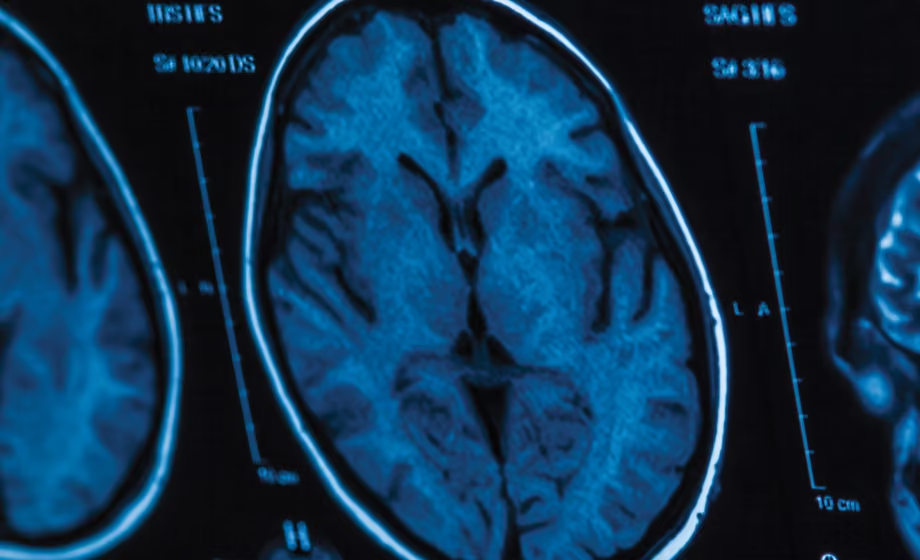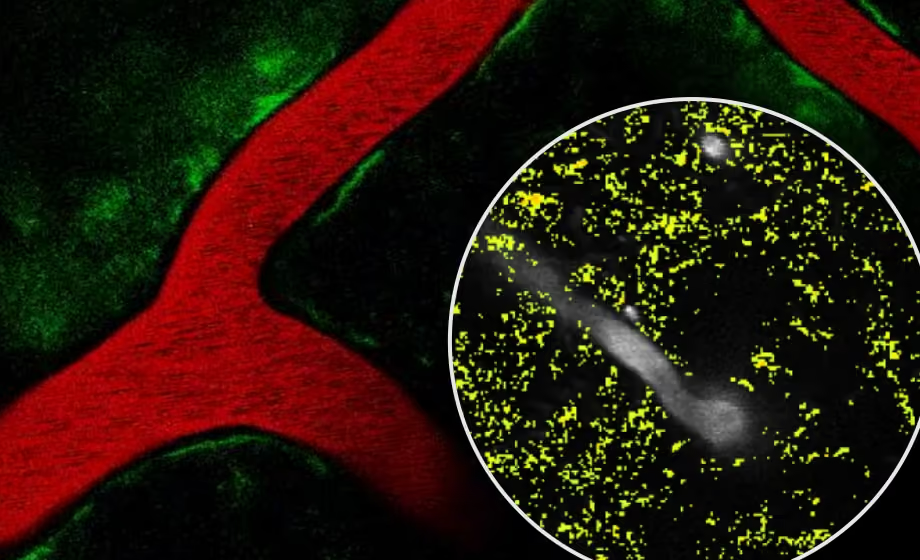
This webinar is essential for researchers interested in the use of continuous EEG telemetry for seizure assessment in rodent epilepsy models.
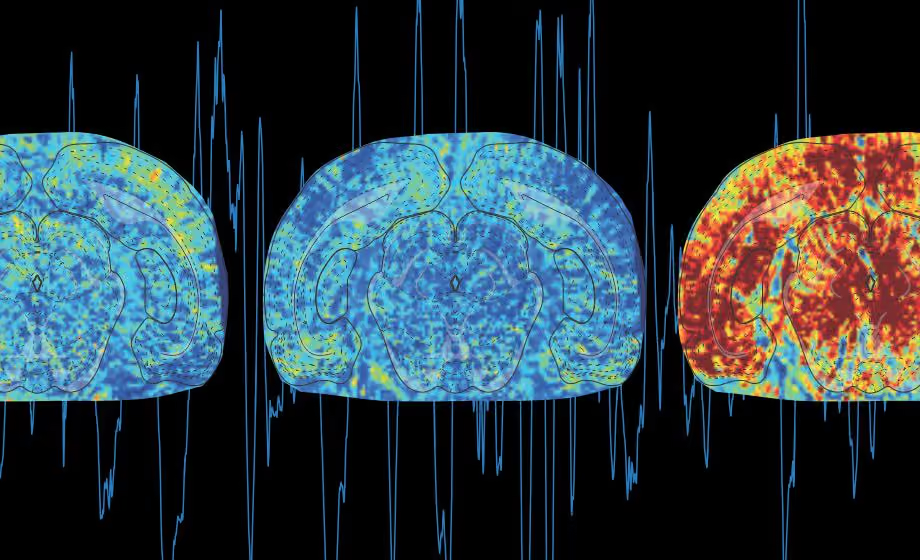
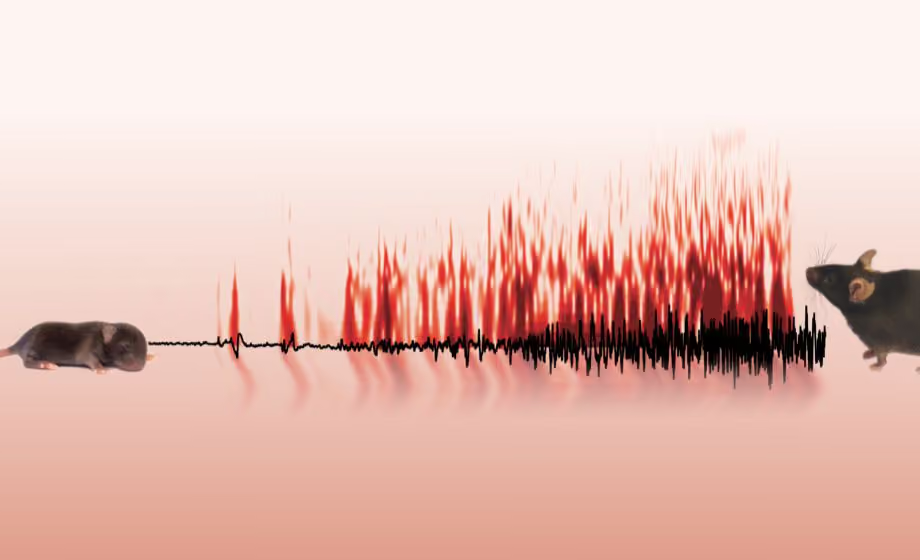
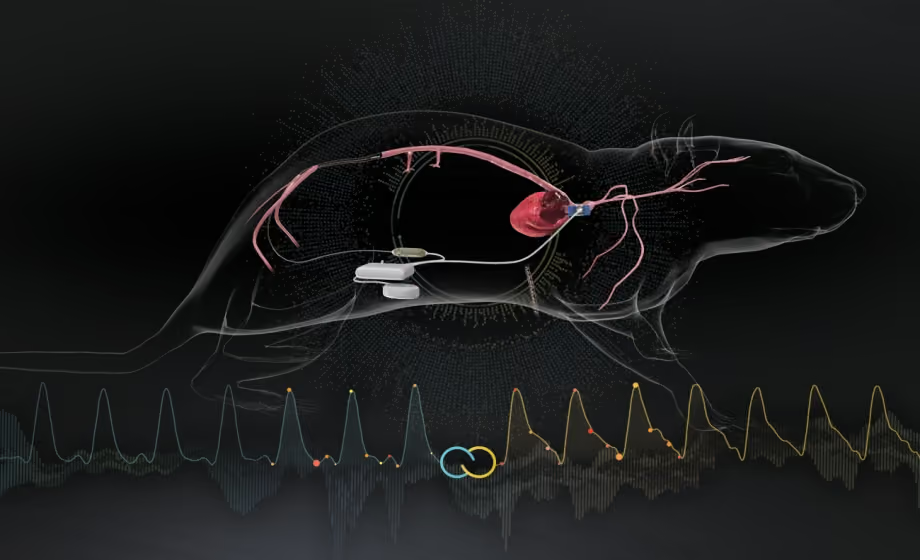
Synchronization is essential for information processing in neural networks. However, prolonged neuronal hyper-synchronization—seizure activity—can result in permanent brain damage. To help study the disease, chemoconvulsants such as pilocarpine and soman can be used to induce epilepsy in rodents. Telemetry is a particularly effective tool for this research, as it allows the detection of hyper-synchronizations and continuous data collection for physiological and pharmacological studies.
In this webinar sponsored by Data Sciences International, Dr. Marcio Furtado presents research highlighting the importance of anomalous EEG detection to study experimental epilepsy and assess the efficacy of potential anticonvulsants and neuroprotectants. He also discusses why continuous EEG monitoring at a high sampling rate is critical to properly detect seizures and how to effectively deal with large telemetry data sets.
Featuring Insights from

Marcio Furtado
Dr. Marcio Furtado is currently an Adjunct Assistant Professor of Anatomy, Physiology and Genetics at USU and CEO of BioSEaD LLC. His research focuses on the mechanisms of chemically-induced seizures.
Sponsored by

Data Sciences International