Watch this Striatech Journal Club to explore a gene therapy approach targeting common oxidative stress and metabolic issues across multiple forms of blindness.
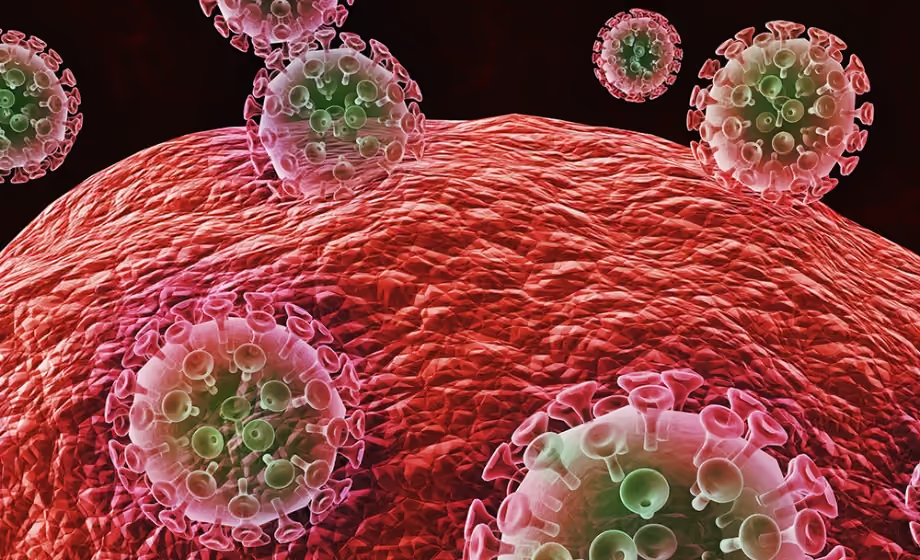
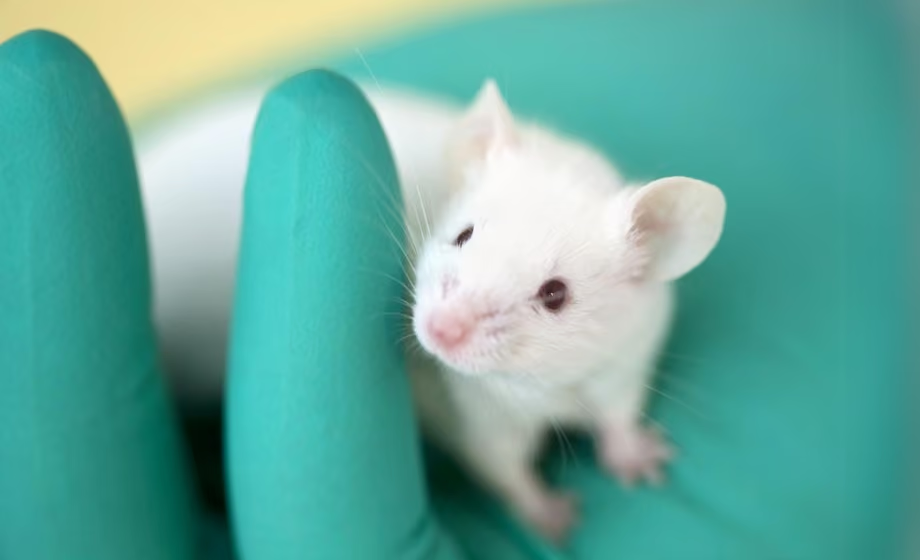
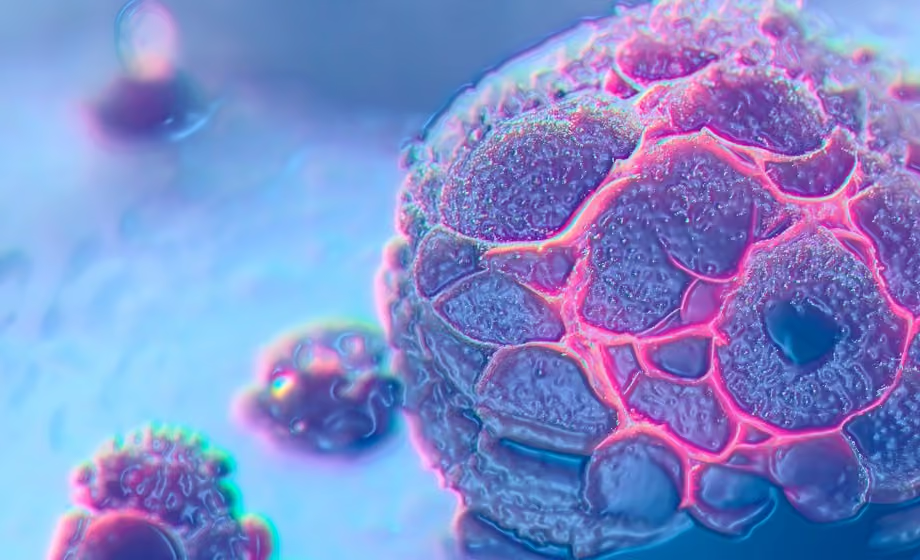
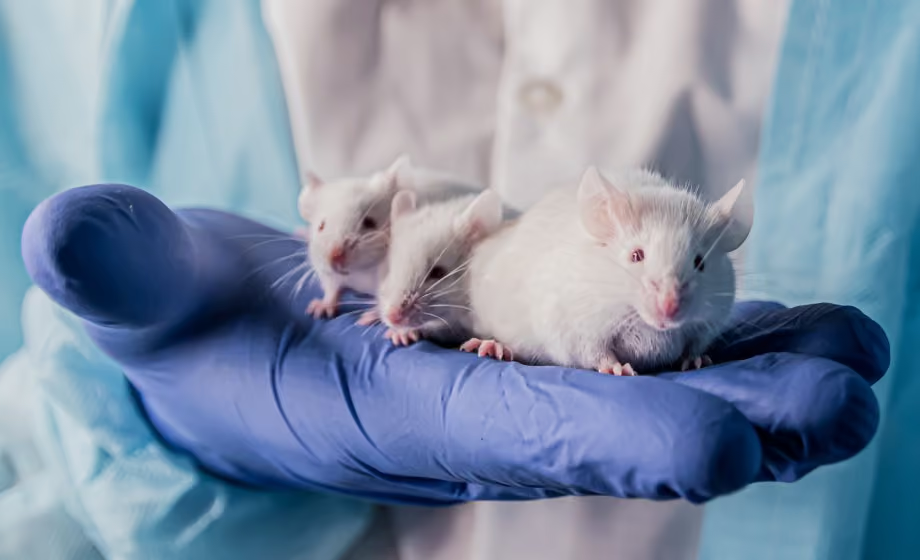
There are more than 200 human disease genes that can lead to blindness. Although gene therapy in which each disease gene is augmented or edited is possible, this approach would be extremely expensive and logistically challenging. To provide an alternative and more general approach, Cepko et al. have been analyzing mouse models of blindness, searching for problems that are common across genotypes. Studies of these mouse models led to the hypothesis that oxidative damage, metabolic deficiencies, and inflammation lead to the loss of color and daylight vision. To address these issues, many different types of genes were delivered using adeno-associated viruses (AAVs). Those that successfully prolonged vision are presented.
Featuring Insights from

Constance Cepko
PhD
Constance Cepko, PhD is Bullard Professor of Genetics and Neuroscience at Harvard Medical School and a Howard Hughes Medical Institute Investigator. The Cepko lab investigates why photoreceptor cells die in the many forms of retinal degeneration, and seeks to develop a gene therapy that prevents their death and the subsequent loss of vision.
Sponsored by