Webinar Summary
- Method considerations to address different biological questions
- Top tips and tricks for improving success using ex vivo cardiac perfusion (from 20+ years of experience)
- What are the downstream implications for the various approaches to basic cardiac functional studies
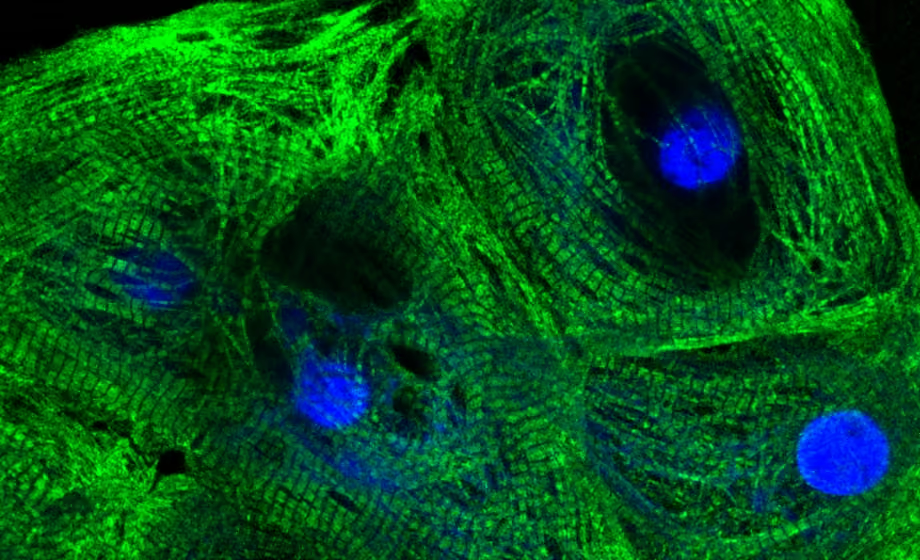
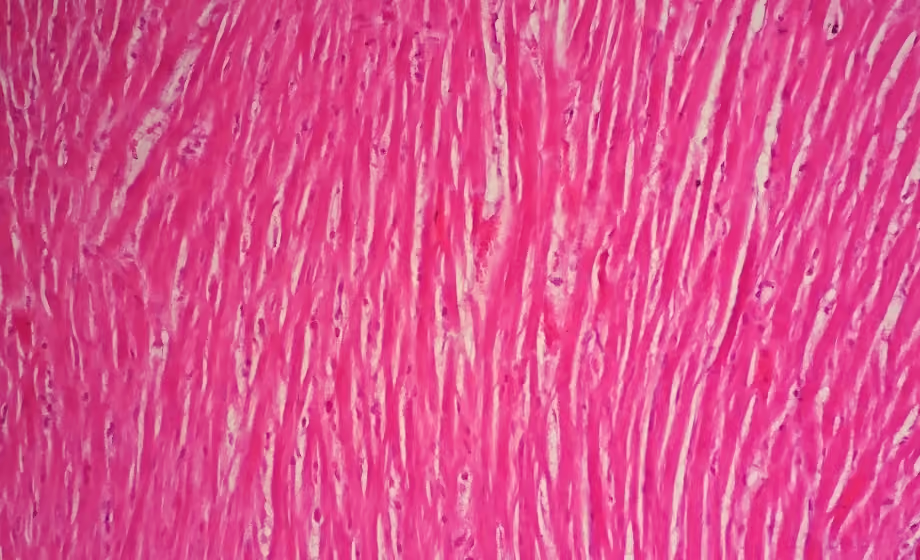
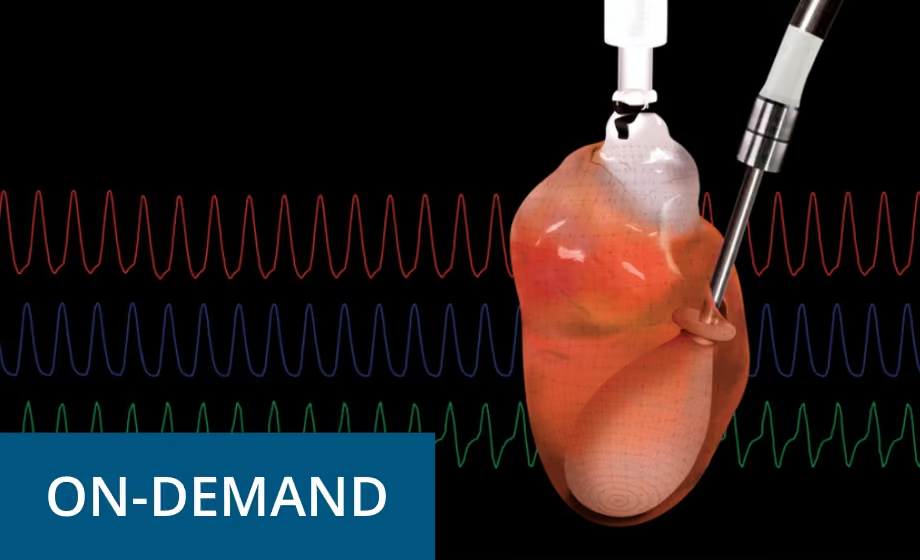
Understanding the dynamics of the heart and how it changes with pathology is a question that can be addressed from many angles. No matter which way you look at it, the best approaches must start by selecting an appropriate method to assess cardiac function that permits both real-time assessment and downstream analysis. From in vitro preparations, including isolated cardiomyocytes, stem cells and cardiac organoids; to ex vivo approaches using Langendorff and working heart systems, and finally; in vivo, whole system approaches, the approaches are as varied as the outcomes. Dr Melanie White discusses not only these different methods to assess the pathogenesis of cardiovascular disease but how she approaches this aspect of her research to align with cutting edge mass spectrometry.
Featuring Insights from

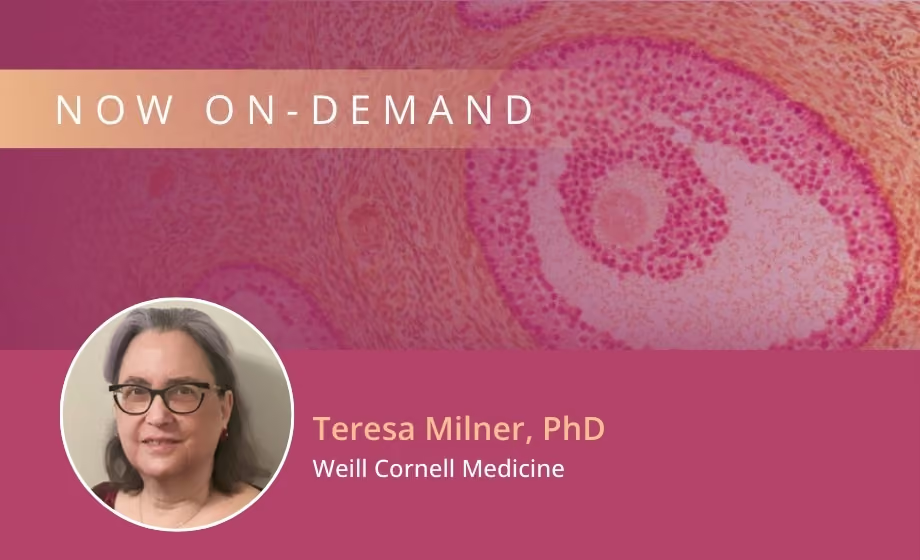
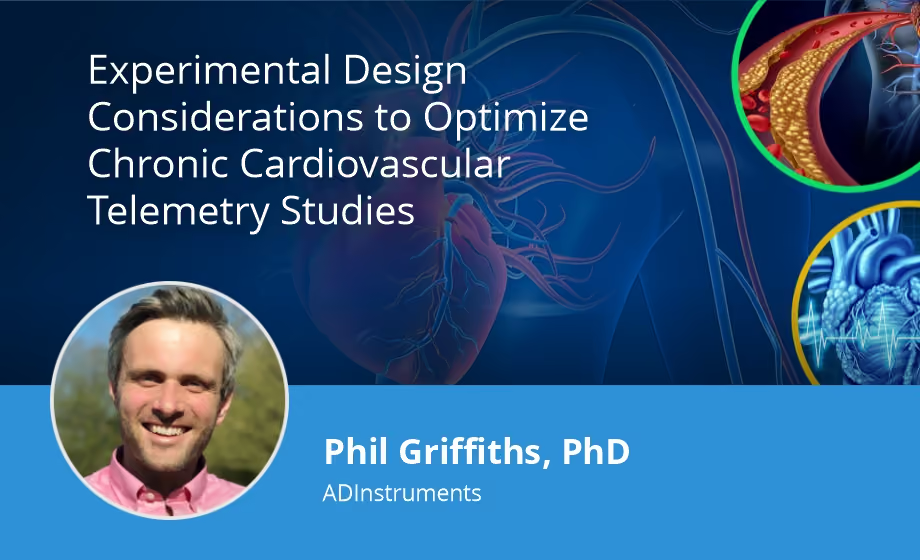
Melanie White
PhD, FAHA
Dr. Melanie White (FAHA) is the PI of the cardiometabolic proteomics group in the Charles Perkins Society at the University of Sydney. With over 20 years of experience in pre-clinical models of cardiovascular disease and cutting-edge mass spectrometry, her group research goals include understanding more about how cells adapt to their changing environment by altering proteins using post-translational modifications.
Sponsored by

ADInstruments
In Partnership with
American Physiological Society
Founded in 1887, the American Physiological Society is a global leader in expanding knowledge related to biological function. We connect a multidisciplinary community of nearly 10,000 scientists and educators from around the world, driving collaboration and spotlighting scientific discoveries in physiology and related disciplines. Our members are advancing treatments and cures for everything from cancer and heart disease, to obesity and addiction. They are also deepening our insight into living organisms generally, helping us to better understand how things like climate change are affecting the world around us.