Webinar Summary
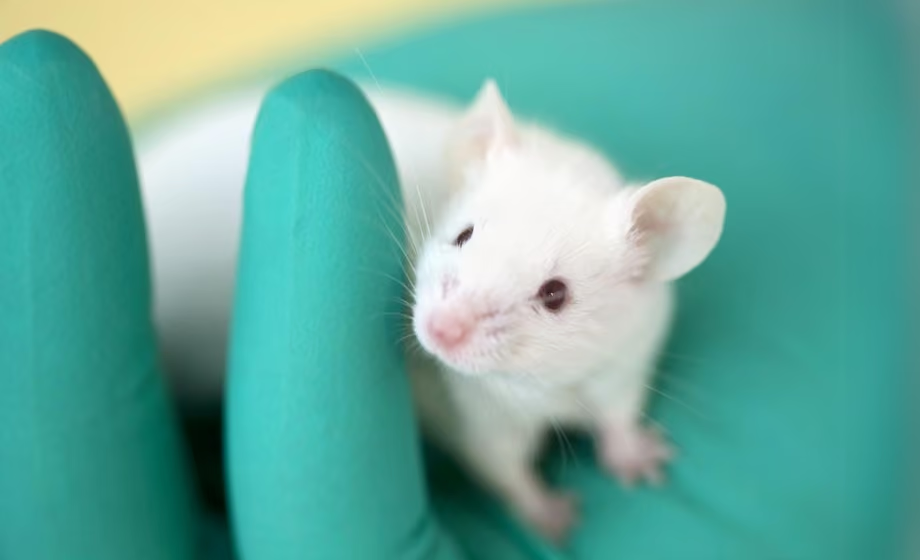
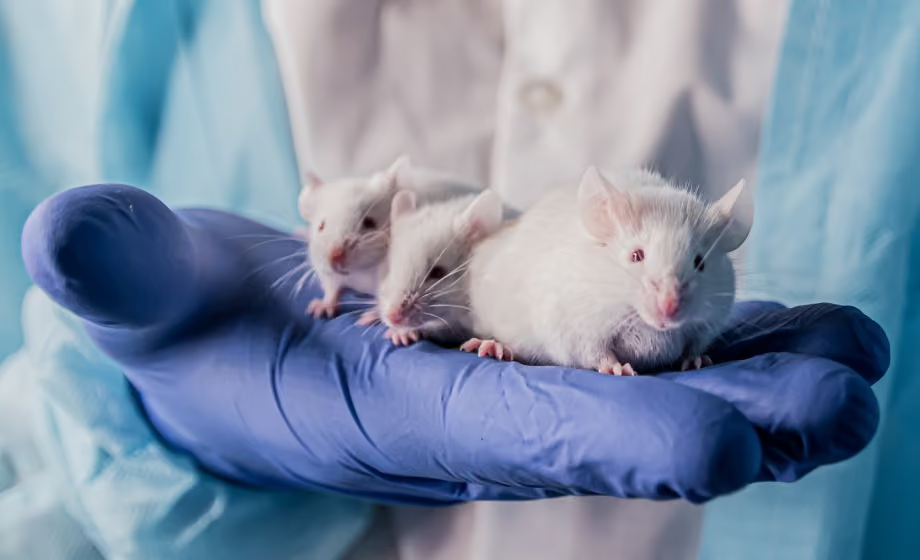
- The accelerated ovarian failure (AOF) mouse model mimics the hormonal changes (especially estrogen) seen in human perimenopause and postmenopause.
- Slow-pressor angiotensin (AngII) infusion results in hypertension in peri-AOF, post-AOF female mice and male mice but not young female mice.
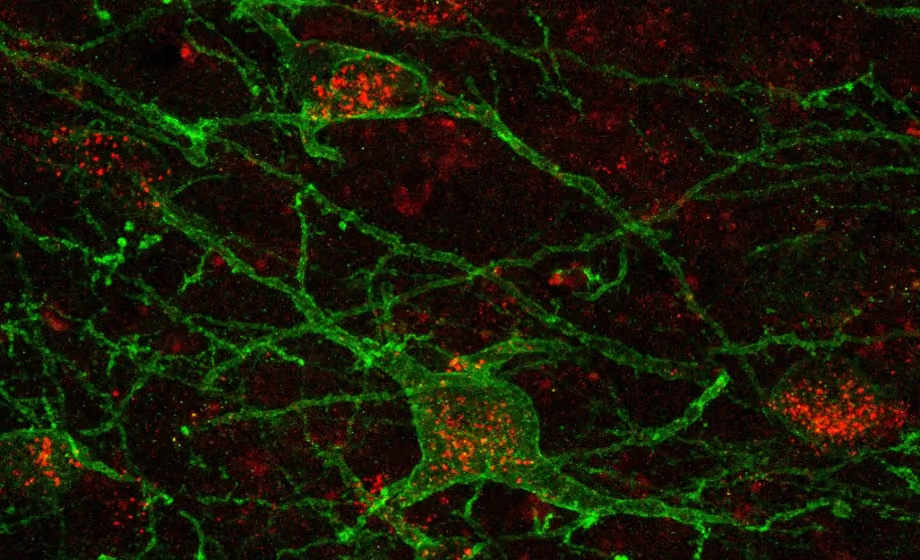
- Following hypertension, peri-AOF and post-AOF mice have distinct changes in the distribution of glutamatergic NMDA (GluN1) and AMPA (GluA1) receptors in estrogen receptor beta (ERb) containing paraventricular hypothalamic (PVN) neurons.
- Hypertensive peri-AOF mice have heightened GluN1 signaling and reactive oxygen species (ROS) production in ERb-containing PVN dendrites.
- Cyclic ERb agonist administration reduced hypertension in AngII-treated peri-AOF females, but not AngII-treated males, and suppressed NMDA receptor signaling in ERb-expressing PVN neurons.
This webinar focuses on understanding the role of estrogen in menopausal hypertension, a topic previously complicated by confounding factors such as aging and the use of preclinical models that fail to adequately replicate natural menopause. Researchers have utilized a mouse model of accelerated ovarian failure (AOF), induced by 4-vinylcyclohexene diepoxide (VCD), to better simulate early and late stages of human menopause. This model has been instrumental in isolating the effects of estrogen on neurogenic hypertension, particularly in the hypothalamic paraventricular nucleus (PVN), a crucial brain region for blood pressure regulation. The studies highlight that in the peri-AOF stage, hypertension is linked to a signaling pathway involving estrogen receptor beta (ERb) and the NMDA-type glutamate receptor in PVN neurons.
The findings reveal that cyclic administration of an ERb agonist can reverse hypertension susceptibility in peri-AOF mice, but not in male mice, indicating a specific therapeutic potential during menopause. This treatment suppresses NMDA receptor signaling in PVN neurons expressing ERb, supporting the existence of a therapeutic window for managing hypertension during the menopause transition. These results provide promising preclinical evidence for the use of ERb agonists as a treatment strategy for menopausal hypertension, underscoring the importance of the AOF model in advancing our understanding of estrogen's role in this condition.
Featuring Insights from

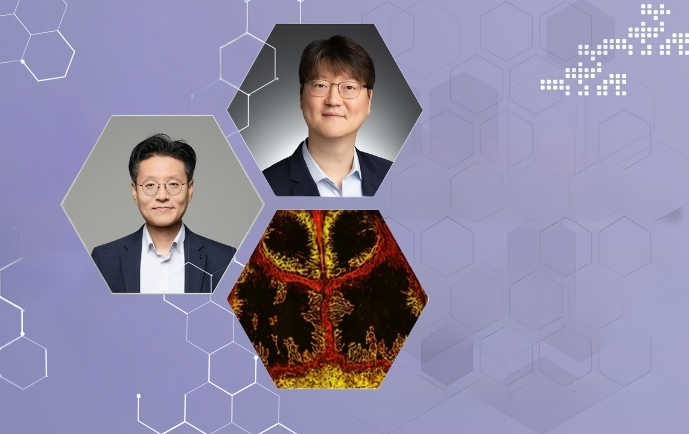
Teresa Milner
PhD
Dr. Teresa Milner received her Ph.D. from the University of California, San Diego. She is a Professor of Neuroscience in the Feil Family Brain and Mind Research Institute at Weill Cornell Medicine. Her research program currently focuses on hypothalamic mechanisms important for hypertension susceptibility in a mouse model of menopause.
Sponsored by

ALZET
In Partnership with

American Physiological Society
Founded in 1887, the American Physiological Society is a global leader in expanding knowledge related to biological function. We connect a multidisciplinary community of nearly 10,000 scientists and educators from around the world, driving collaboration and spotlighting scientific discoveries in physiology and related disciplines. Our members are advancing treatments and cures for everything from cancer and heart disease, to obesity and addiction. They are also deepening our insight into living organisms generally, helping us to better understand how things like climate change are affecting the world around us.

Society for Women’s Health Research
As a national thought leader dedicated to advancing women’s health and promoting research on sex differences to optimize women’s health, the Society for Women’s Health Research (SWHR) plays a critical role in identifying clinical and research gaps; raising awareness of diseases, conditions, and life stages that differently, disproportionately, or exclusively affect women; and promoting policies that could positively shape health outcomes for women. Over its more than 30-year history, SWHR has been advancing women’s health through its core functions of science, policy, and education.

Scientist.com
Scientist.com is the world’s largest and first platform built for the intricacies of scientific outsourcing.
We help pharmaceutical and biotechnology organizations discover, engage, manage, and scale relationships with the providers that support every stage of the pipeline—from discovery and preclinical research to clinical development, manufacturing, medical affairs, and commercialization. Through a centralized platform, organizations can access a global network of 6,000+ providers, streamline sourcing and procurement workflows, maintain compliance, manage supplier relationships, and leverage data-driven insights to make faster, more informed decisions.
Today, Scientist.com supports more than 130 life science organizations, including 24 of the world's top 30 pharmaceutical companies, helping teams reduce operational complexity, accelerate timelines, and bring innovations to patients faster. Our mission is to make it possible to cure all human disease by 2050.