Oliver W. Gramlich, PhD, provides an in-depth discussion about the pathobiology and visual phenotype of immune-mediated optic neuropathies.
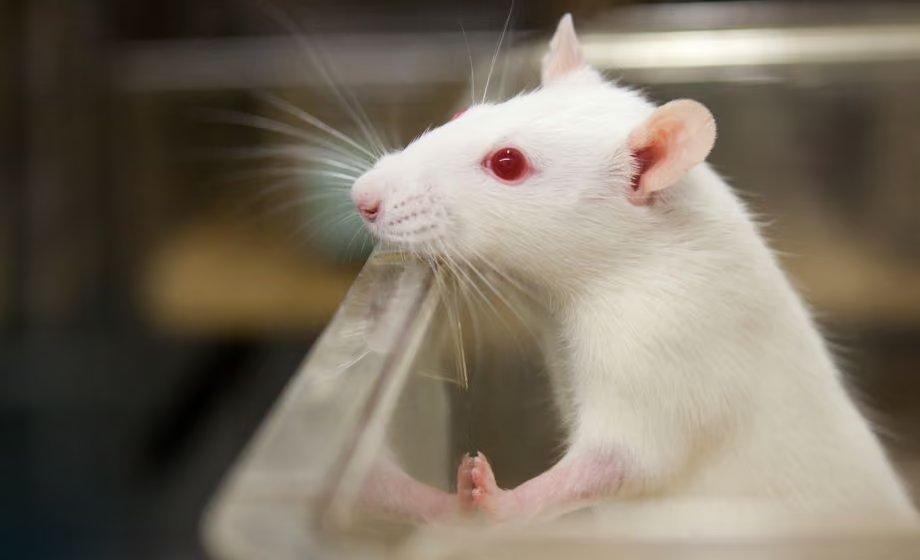
Multiple sclerosis (MS), neuromylitis optica spectrum disorders (NMOSD), and myelin oligodendrocyte glycoprotein antibody-associated disease (MOGAD) all feature distinct clinicopathologic phenotypes. These phenotypes will be highlighted in relevant preclinical models of optic neuritis by utilizing highly translational functional and structural measurements of vision.
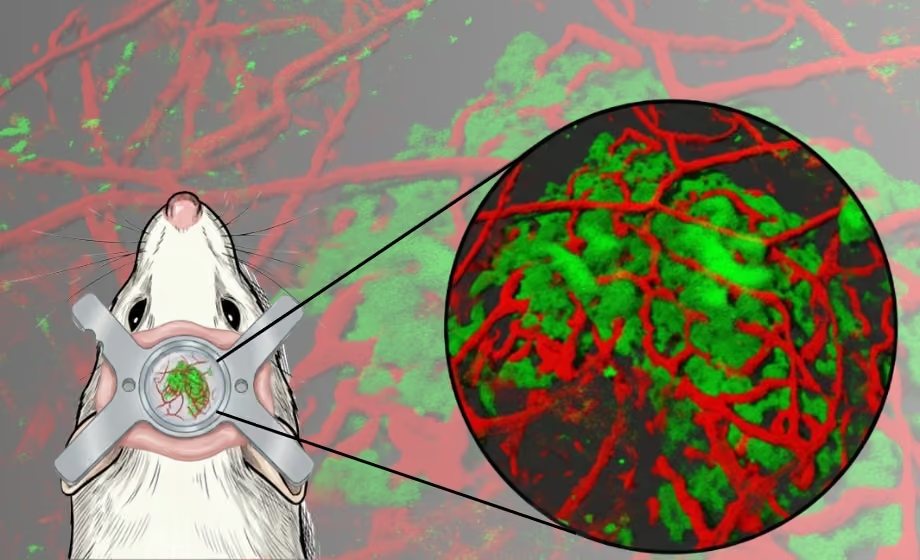
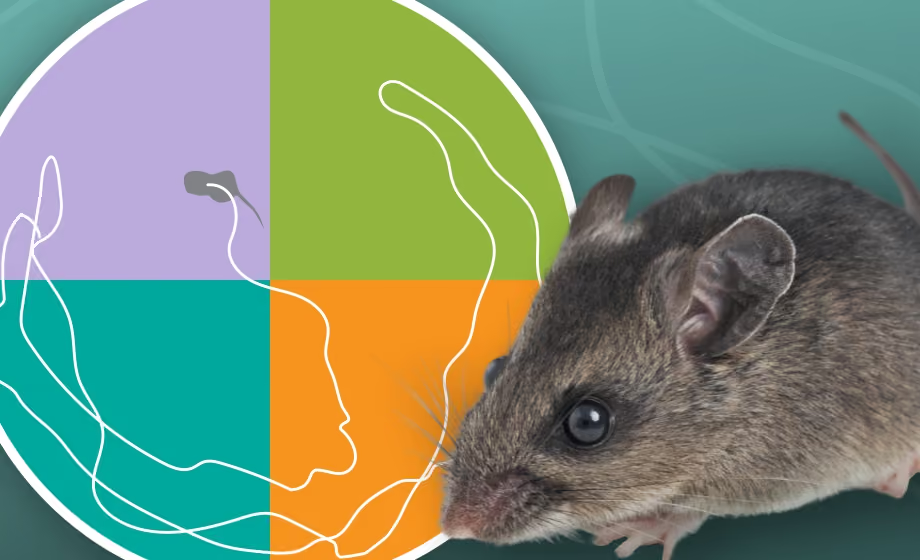
The webinar features an introduction of relevant animal models, and explains pertinent experimental techniques ranging from behavioral assessment of visual acuity (VA) with the OptoDrum, to electrophysiology recordings via pattern electroretinography (pERG) and visual evoked potential (VEP) recordings, to structural imaging of the retina with optical coherence tomography (OCT).
Who Should Attend?
Researchers working in the field of vision science, multiple sclerosis-related optic neuritis and glaucoma, neuroimmunology, and neuroinflammation.
Featuring Insights from

Oliver W. Gramlich
PhD
Oliver Gramlich studied Biology and Neurobiology at the University of Mainz followed by a PhD focusing on Experimental Ophthalmology. He then started a position at the University of Iowa where he is now working as Research Assistant Professor at the Department of Ophthalmology and Visual Sciences. Besides his research efforts on Multiple Sclerosis-related optic neuritis and glaucoma, he is currently establishing a model of Neuromyelitis optica in order to help establish reliable preclinical models that faithfully reproduce visual impairment as seen in patients.
Sponsored by