Webinar Summary
- Understand the importance of researching diseases that compromise muscle health.
- Appreciate the process by which basic science can be used to develop new therapies for muscle disorders.
- Appreciate the potential for integrating clinical, industrial, and not-for-profit partners in pre-clinical research.
- How patients can meaningfully partner with clinical and basic scientists from consultation to involvement, to collaboration and empowerment.
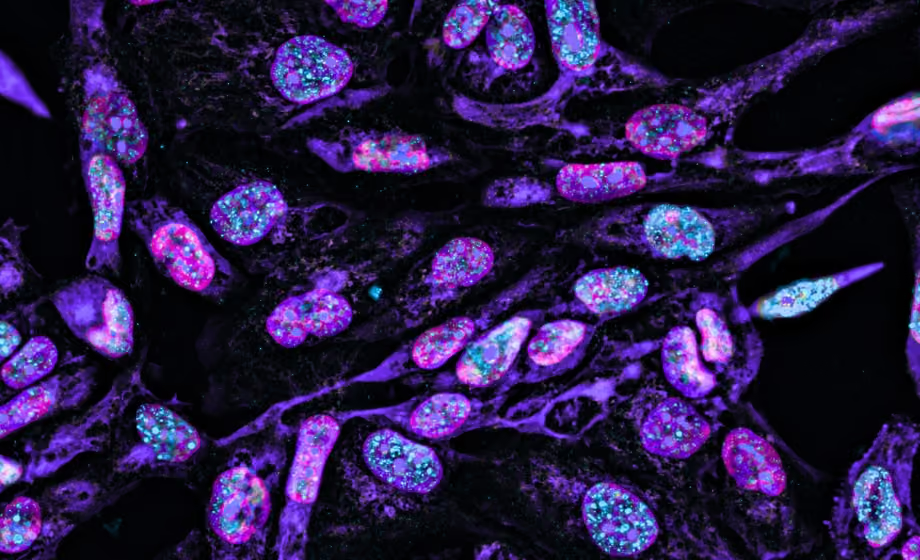
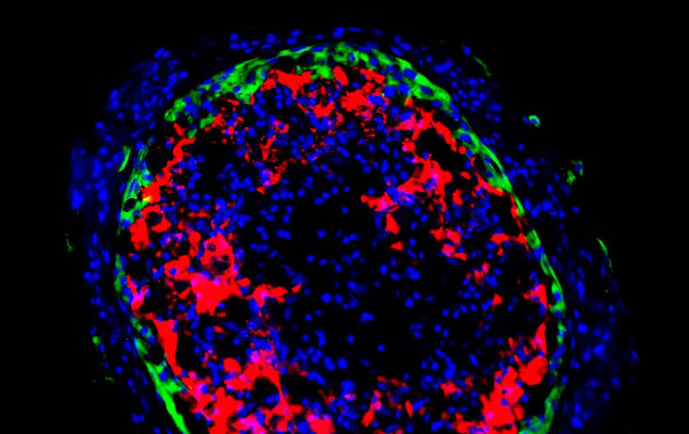
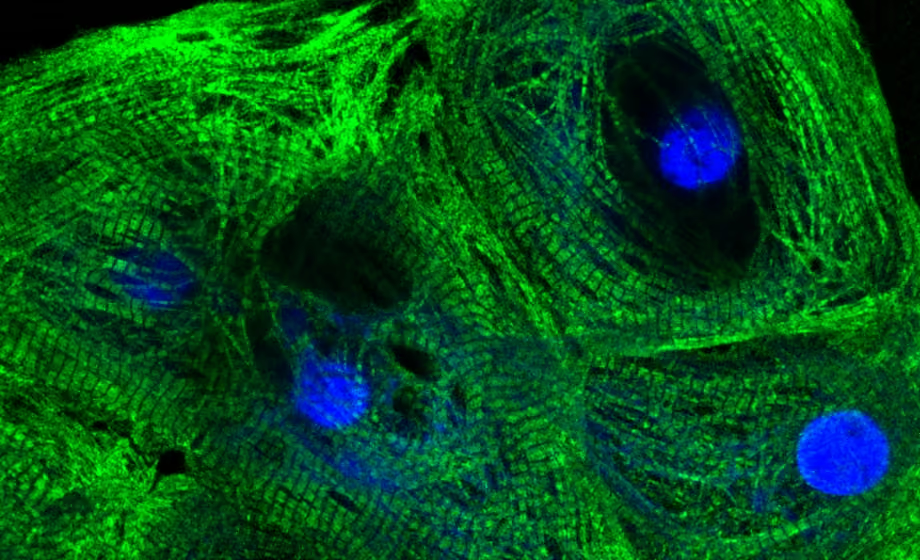
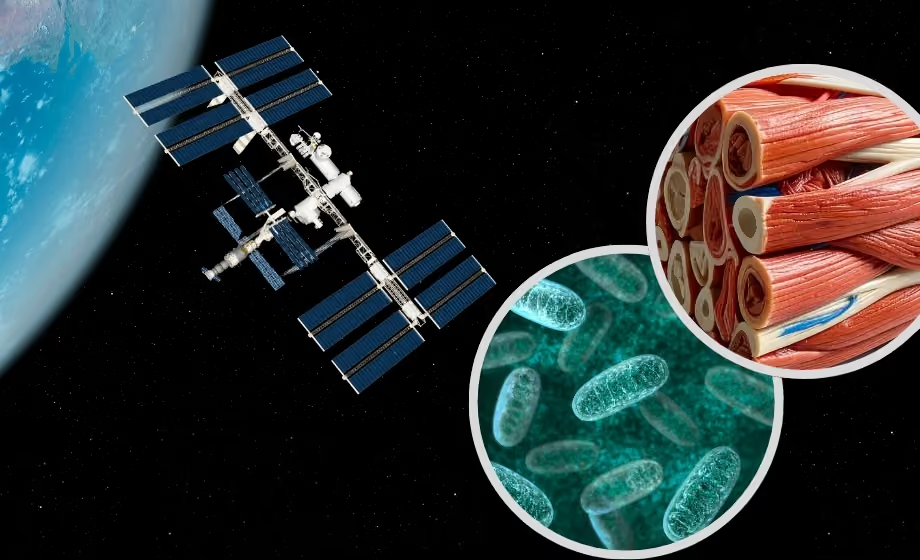
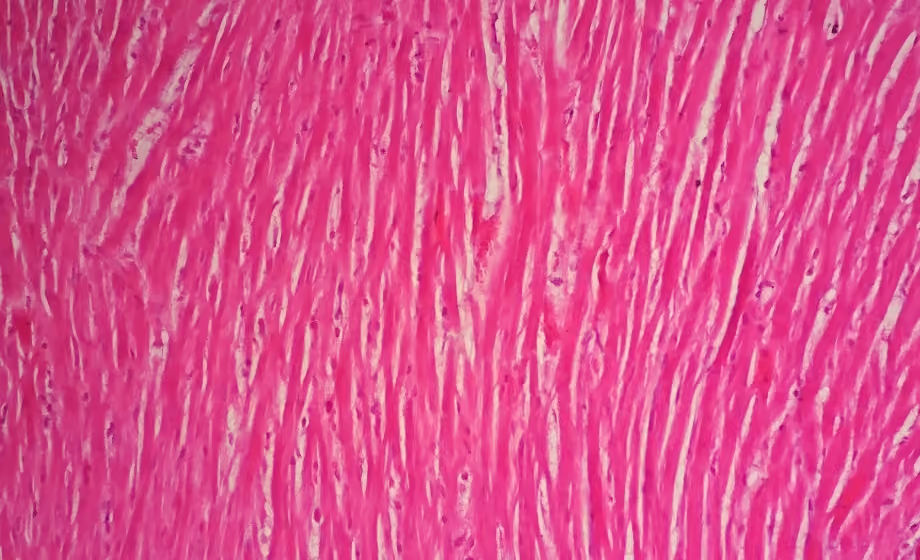
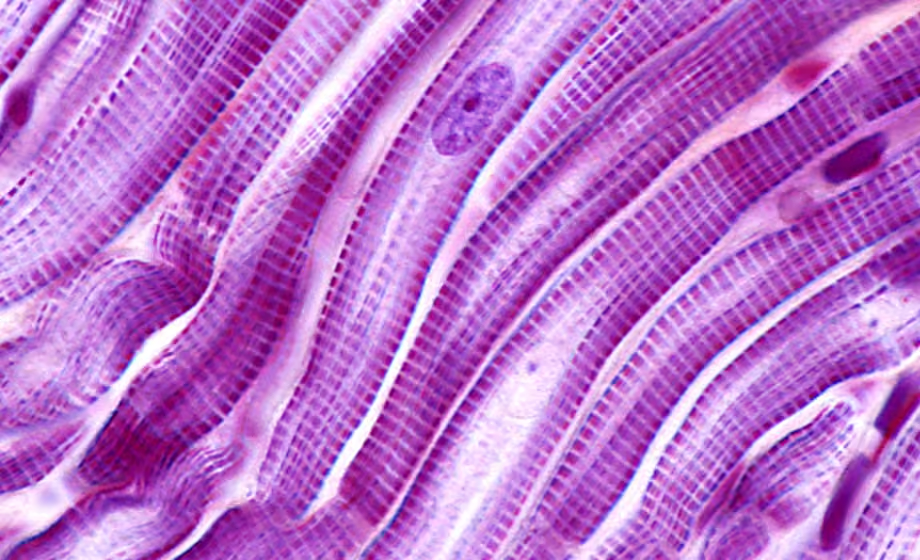
Muscles are highly adaptable organs. When presented with a range of physiological stressors, muscles can activate cellular response programs that ultimately improve their ability to resist future stress. This property is the basis of why the repetitive stress of exercise improves muscle health. However, many muscle diseases such as muscular dystrophies, metabolic diseases, or muscle wasting disorders are associated with very similar physiological stressors. The Perry lab examines the cellular and physiological mechanisms that determine whether a muscle responds positively or negatively to a variety of stress stimuli.
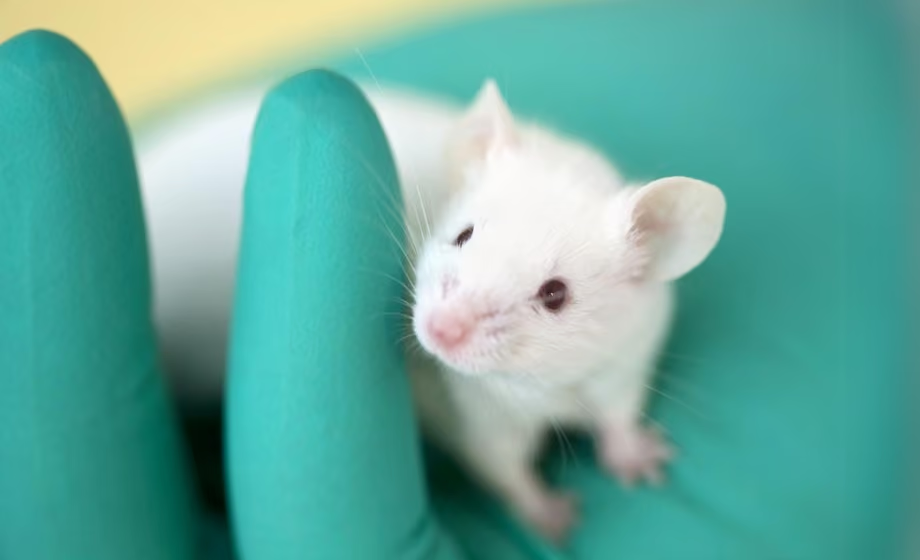
This perspective is also used to guide therapy development in the lab. Using pre-clinical experimental models, the lab collaborates with clinical and industrial partners to develop therapies that correct the mechanisms that contribute to muscle diseases. Through this approach, graduate students and other trainees in the Perry lab form relationships with these partners and develop a broader understanding of translational research whereby basic science is used to guide therapy development with key stakeholders.
In keeping with this theme, the lab is now partnering with advocacy foundations to link us with patient communities. This process will allow us to learn from the lived experiences of people with diseases that we study in our lab. The goal of this strategy is to create a more informed perspective of the unmet needs for therapy development in order to guide our experimental questions and experimental designs. While this approach is increasingly common in clinical research, we believe this could also benefit early stage research in pre-clinical models as performed in our lab.
To expand on the partnerships with advocacy foundations, Homira Osman, PhD from Muscular Dystrophy Canada touches on how knowledge translation (or knowledge mobilization, research to action, knowledge exchange) closes the gap between research and implementation and improves the use of research evidence in practice, policy, and further research. She also introduces the value of best scientific practices and products, specifically for pre-clinical neuromuscular research.
Such relationships also allow us to engage in science communication through activities that inform patient communities of the scientific basis of muscle health and the latest advances in research related to their disease.
Collectively, the integration of clinical, industrial, and not-for-profit advocacy partners with our research offers great potential to improve our research impact in a manner that focuses our questions to the unmet needs of people living with muscle disorders.
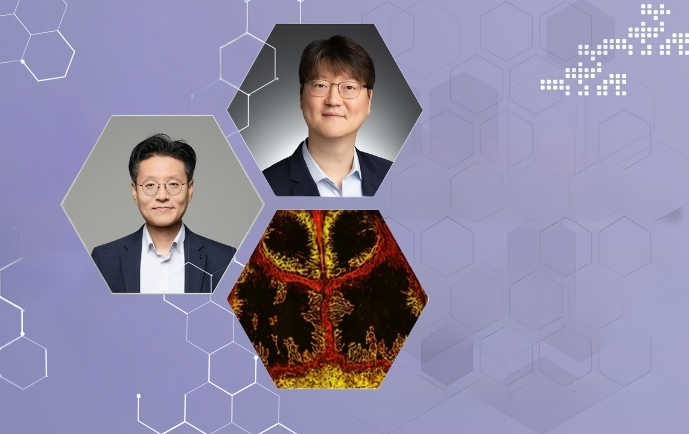
Featuring Insights from

Christopher Perry
PhD
Dr. Christopher Perry is a researcher and educator of muscle weakness disorders and the metabolic basis of muscle fitness. His laboratory aims to discover mechanisms by which metabolic dysfunction causes muscle weakness and apply these findings to develop new therapies for muscle disorders.

Homira Osman
PhD
Dr. Homira Osman is the VP of Research & Public Policy at Muscular Dystrophy Canada and co-leads the Neuromuscular Disease Network for Canada. Her background is in clinical audiology, neuroscience and knowledge translation. In her role, Dr. Osman has overall strategic and operational responsibility for all elements of research, education, clinical relationships and advocacy work. Dr. Osman has a deep passion for evidence-based decision-making within policy and health care systems, and is dedicated to patients and families affected by neuromuscular disease.
Sponsored by
Aurora Scientific, Inc.
In Partnership with
American Physiological Society
Founded in 1887, the American Physiological Society is a global leader in expanding knowledge related to biological function. We connect a multidisciplinary community of nearly 10,000 scientists and educators from around the world, driving collaboration and spotlighting scientific discoveries in physiology and related disciplines. Our members are advancing treatments and cures for everything from cancer and heart disease, to obesity and addiction. They are also deepening our insight into living organisms generally, helping us to better understand how things like climate change are affecting the world around us.