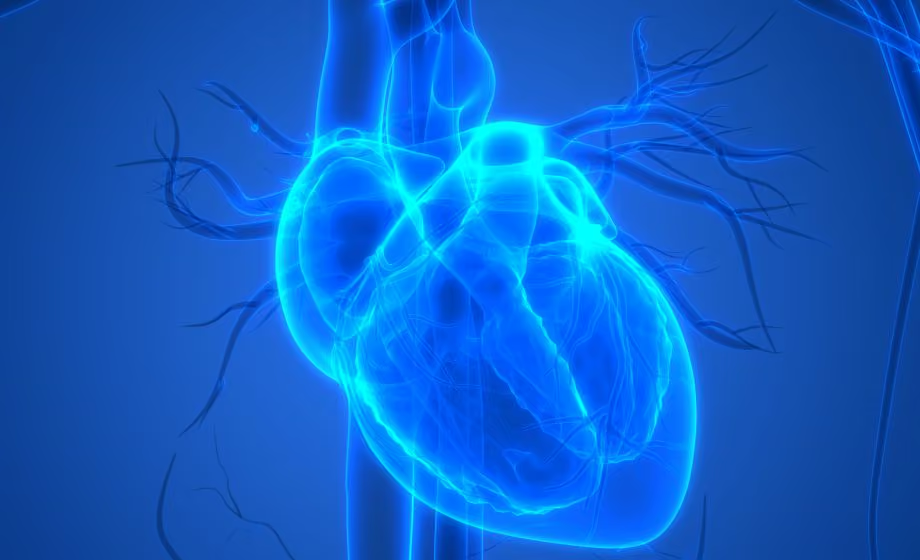
Dr. Pedro Ferreira gives a deep dive into his work using pressure-volume loops in large animal models of heart failure.
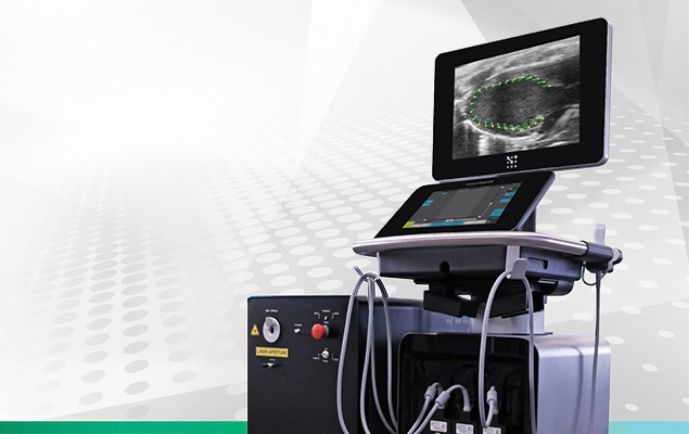
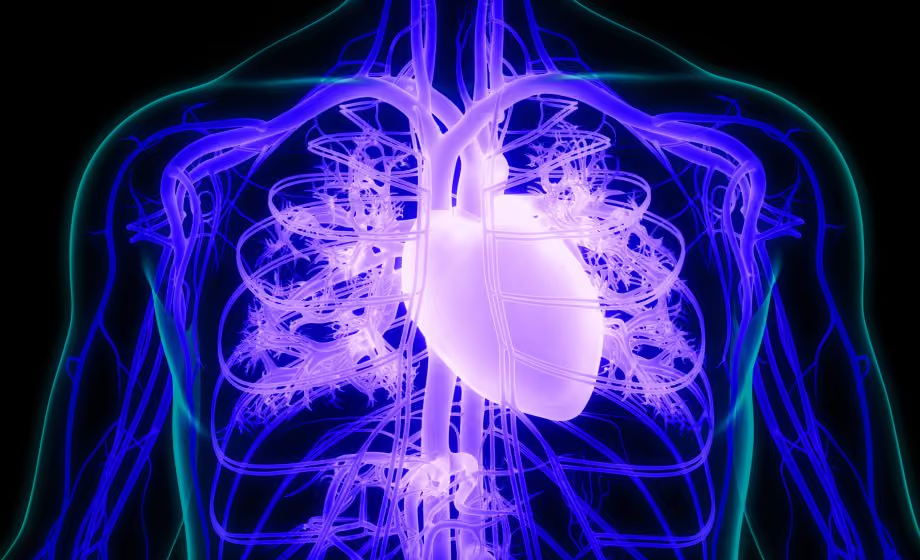
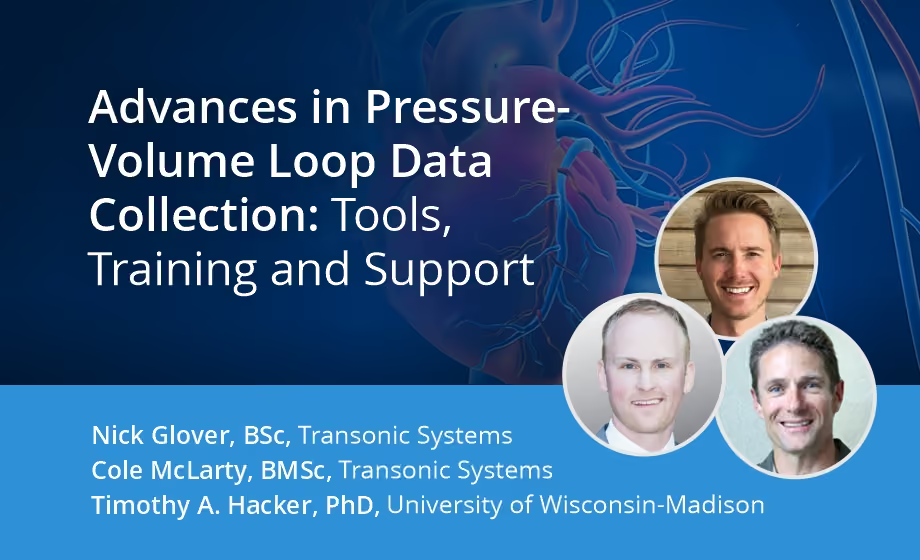
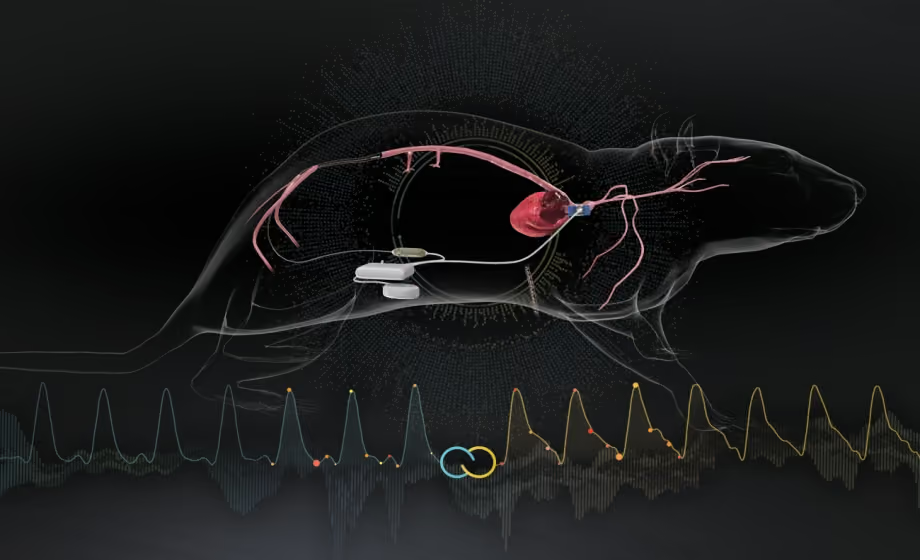
Translational models are extremely important for testing new devices and therapies and are the last step before clinical application. In most cardiovascular applications, accurate analysis of cardiac function is required. To achieve this, pressure-volume (PV) loop analysis is routinely used, providing detailed data concerning the left, right, or bi-ventricular functions.
This webinar includes the step-by-step methodology for using a percutaneous approach to acquire left ventricle pressure-volume loop data with a multi-segment conductance catheter. From animal preparation to data acquisition, Dr. Ferreira showcases the equipment and consumables required for this technique and covers potential alternatives which make it accessible to anyone with a large animal facility.
Featuring Insights from

Pedro Ferreira
PhD
Pedro Mendes Ferreira, PhD is a Biologist working in the field of cardiovascular sciences for 15 years. Most of his training and research career have focused on small and large animal physiological measurements, including ventricular pressure-volume loop analysis.
Sponsored by

ADInstruments
In Partnership with

American Physiological Society
Founded in 1887, the American Physiological Society is a global leader in expanding knowledge related to biological function. We connect a multidisciplinary community of nearly 10,000 scientists and educators from around the world, driving collaboration and spotlighting scientific discoveries in physiology and related disciplines. Our members are advancing treatments and cures for everything from cancer and heart disease, to obesity and addiction. They are also deepening our insight into living organisms generally, helping us to better understand how things like climate change are affecting the world around us.