Scientists present wireless glucose monitoring methodology, best practices, research findings, and discuss the power of continuous glucose profiles, particularly when combined with other gold standard assays to study obesity, diabetes and cardiovascular related diseases.
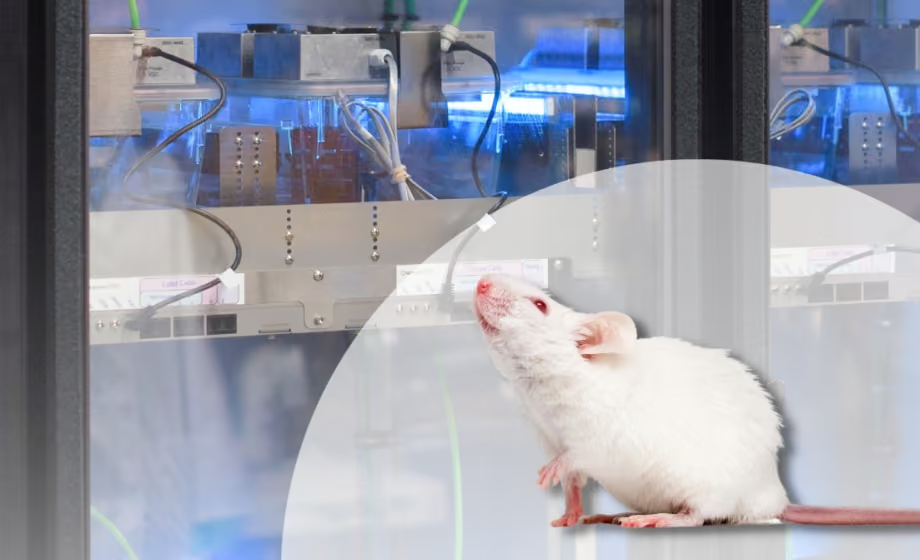
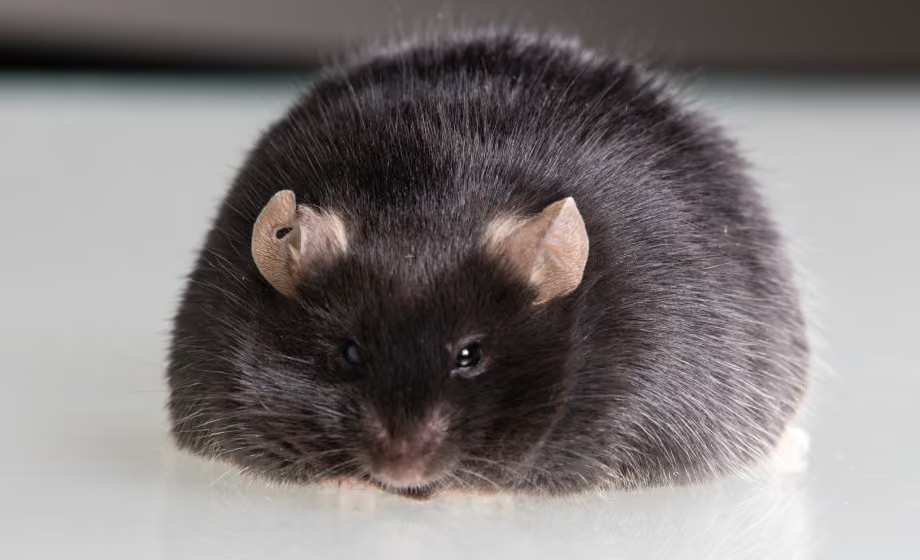
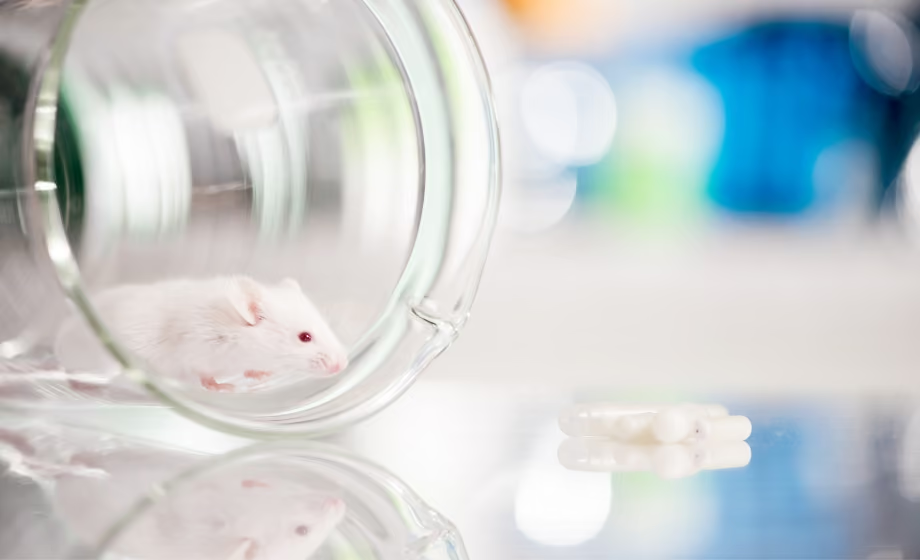
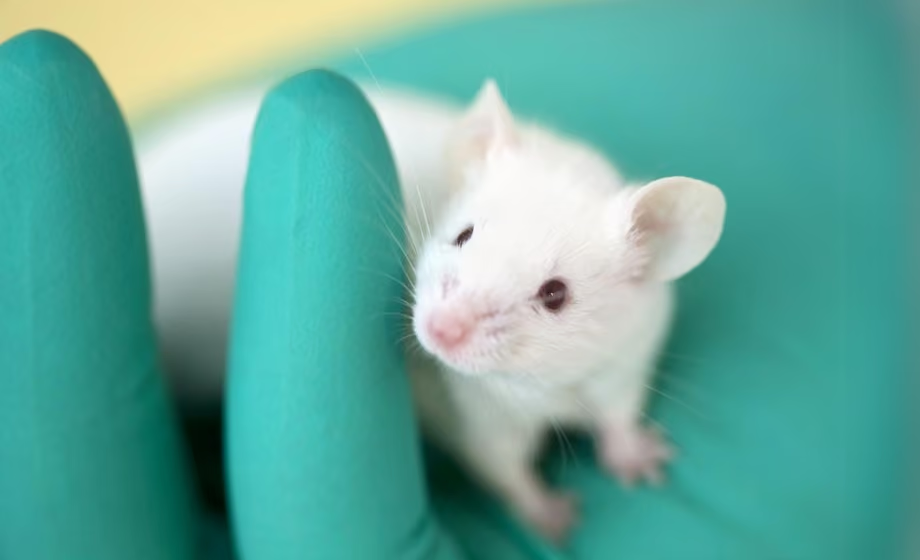
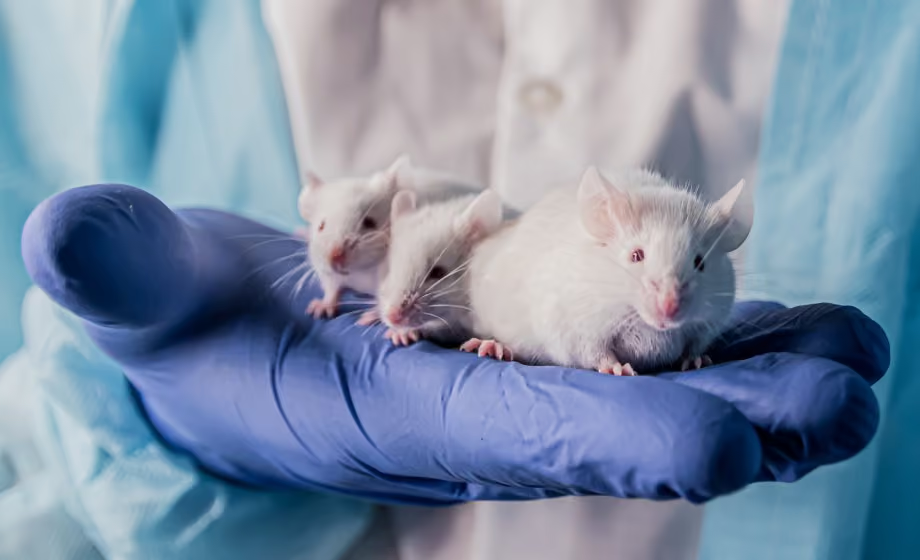
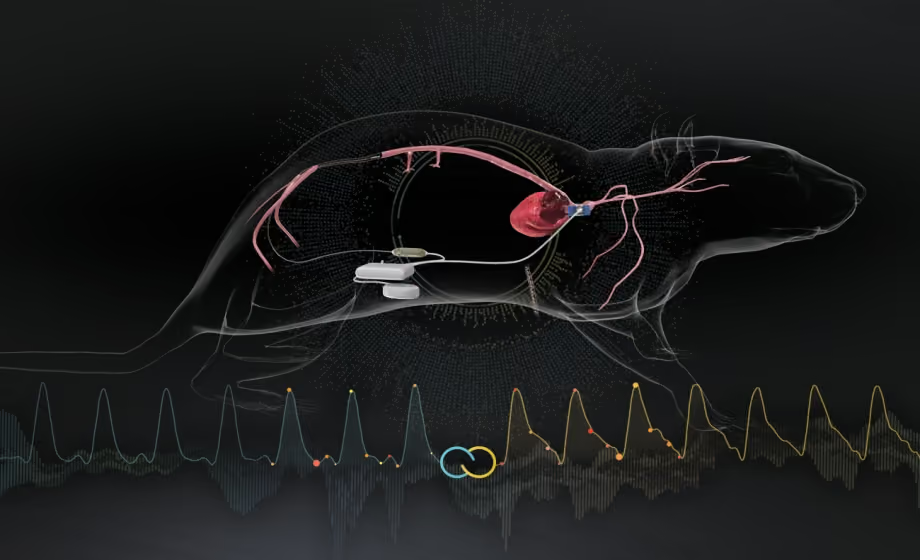
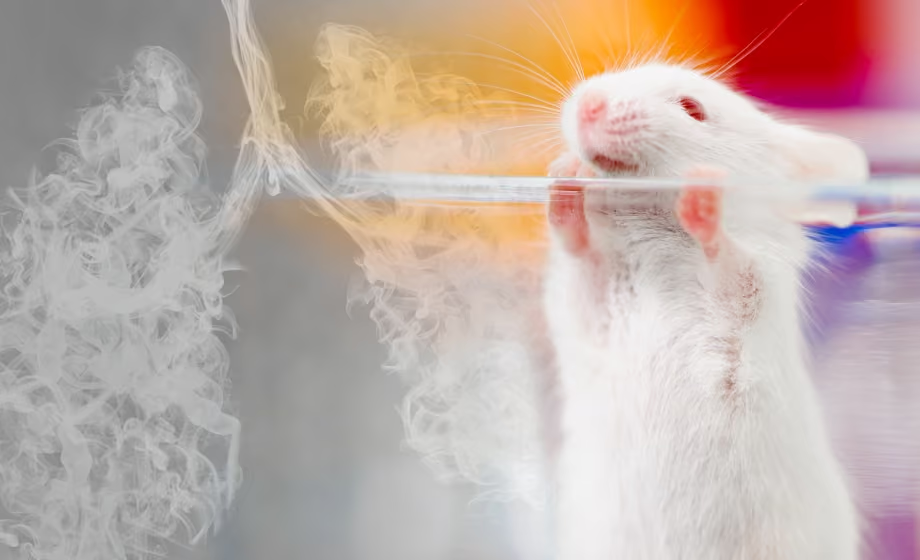
The most commonly used method for measuring glucose in preclinical research remains intermittent blood sampling. However, continuous glucose monitoring via implantable telemetry offers numerous benefits over periodic measurements, including larger sample counts, improved animal welfare and higher data quality, to name a few. When appropriate for the study, monitoring physiological events with telemetry allows for continuous data collection from fewer animals who are conscious, freely moving, and under minimal stress from handling. The simultaneous acquisition of a continuous glucose profile with physiologic telemetry measurements will arm researchers with unique scientific information sure to advance scientific discovery, improve our understanding of disease and in turn help develop effective treatments.
During this webinar sponsored by Data Sciences International (DSI), Stephanie Simonds, PhD shares novel research conducted using implantable glucose telemetry for basic analysis and combination studies investigating the effects of drugs and hormones in mice. Specifically, she discusses research case studies involving Designer Receptors Exclusively Activated by Designer Drugs (DREADDs) and adeno-associated virus neuronal knockdown models, and speaks to the importance of collecting continuous glucose data simultaneously with physiologic telemetry measurements.
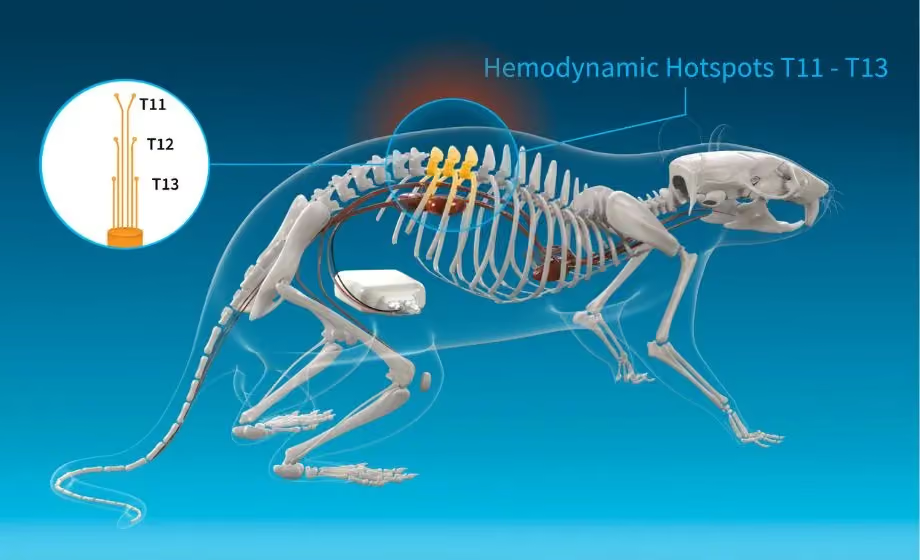
In addition, Dr. Megan Fine from DSI's Surgical Services team presents the surgical techniques and best practices that her team has developed for use with glucose telemetry. She discusses the use of this technology in a variety of animal models, including recommendations for surgery and techniques to help ensure successful calibrations. Finally, Megan highlights the concurrent collection of multiple endpoints, such as glucose and cardiovascular data, in the same subject.
Featuring Insights from

Stephanie Simonds
PhD
Dr. Simonds’ research aims to expand our understanding of obesity, diabetes and cardiovascular diseases in order to expedite the development of sensitive diagnostic tools and specific pharmaceutical agents. Stephanie takes research from the basic level examining the physiology of disease development, through to discovering targets to treat human diseases. Dr. Simonds is competent in multiple world-leading physiological research techniques, some so technically challenging only a handful of people perform them worldwide. Work performed by Dr. Simonds is at the forefront of biomedical research: she has been published in top-tier journals including Nature, Cell, Cell Metabolism and The Journal of Clinical Investigation. Dr. Simonds has been acknowledged for her bold and innovative research with numerous prestigious awards and she has been an active member of the Victorian Government Science, Medical Research and Technology (SMaRT) ministerial advisory panel.

Megan Fine
DVM
Megan received her Bachelor of Science degree in biology and Doctor of Veterinary Medicine from the University of Wisconsin-Madison. Megan is also a board certified specialist in the field of veterinary surgery, and has recently qualified to sit the American College of Laboratory Animal Medicine board certification exam. Megan joined Data Sciences International (DSI) in December of 2011, and her current position allows her the unique experience of interacting with researchers on the forefront of biomedical science. Her team strives to provide DSI customers with surgical training and surgery as a service both at DSI’s headquarters in St Paul, MN, and at customer sites around the world. She also serves as DSI’s Attending Veterinarian working to ensure high quality veterinary care and animal welfare.
Sponsored by

Data Sciences International