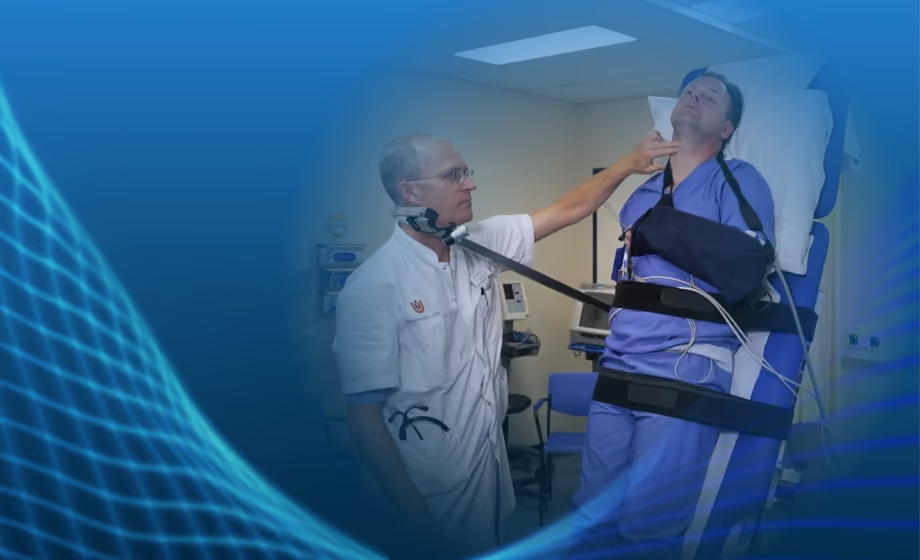
Join Aaron Phillips, PhD, as he shares his research involving neural hemodynamic control in pre-clinical and clinical models.
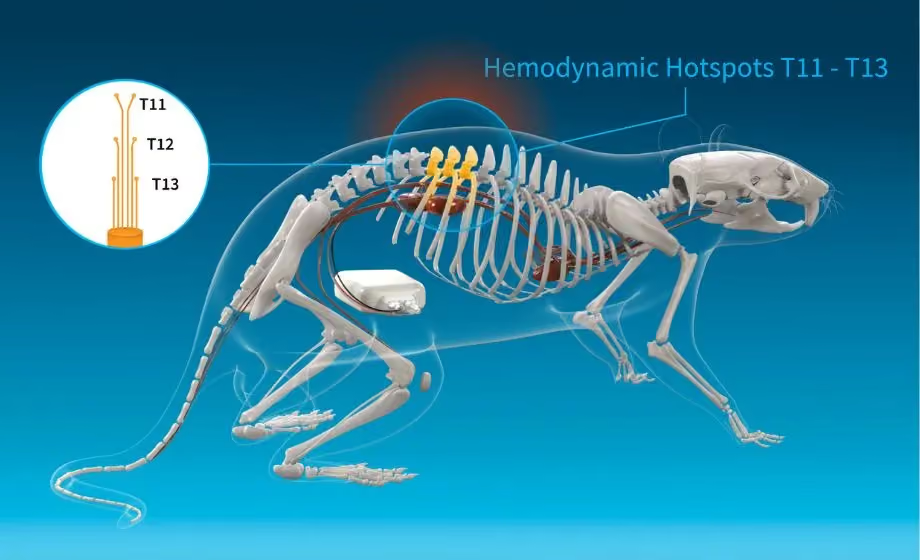
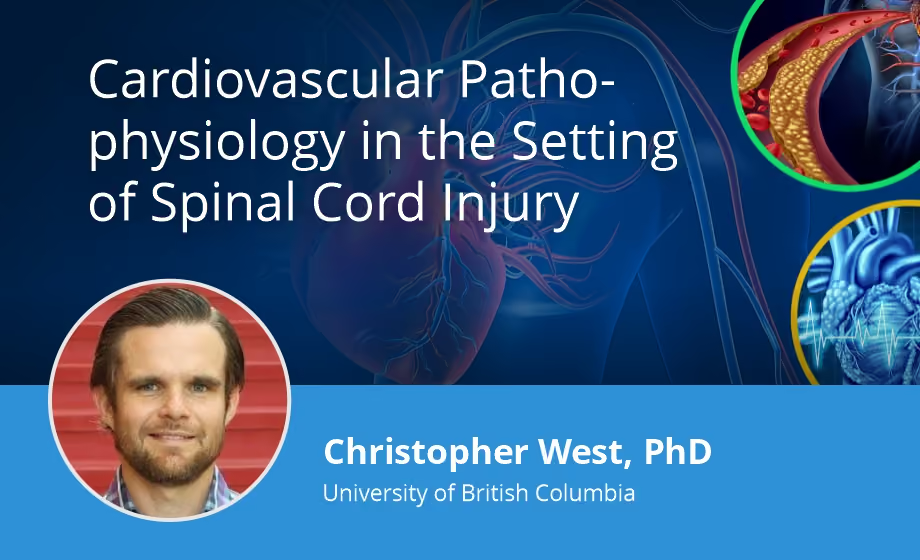
The nervous system and cardiovascular system are exquisitely linked in an effort to control hemodynamics and maintain organ perfusion. In many neurological conditions, cardiovascular control is disrupted, leading to inappropriate hemodynamics and organ trauma. This is particularly true in the context of spinal cord injury, where the disconnection of the supraspinal hemodynamic regulatory centers leaves the sympathetic nervous system orphaned, and prone to life-threatening erratic blood pressure.
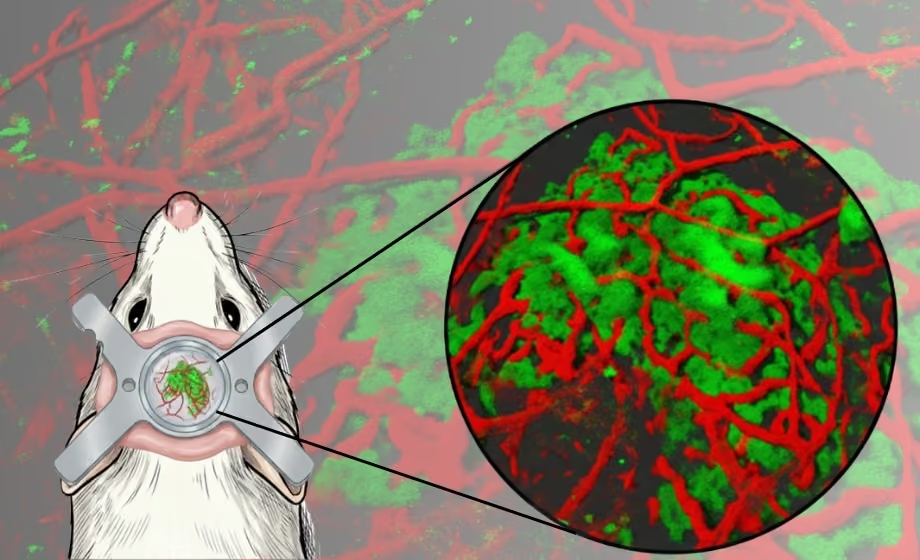
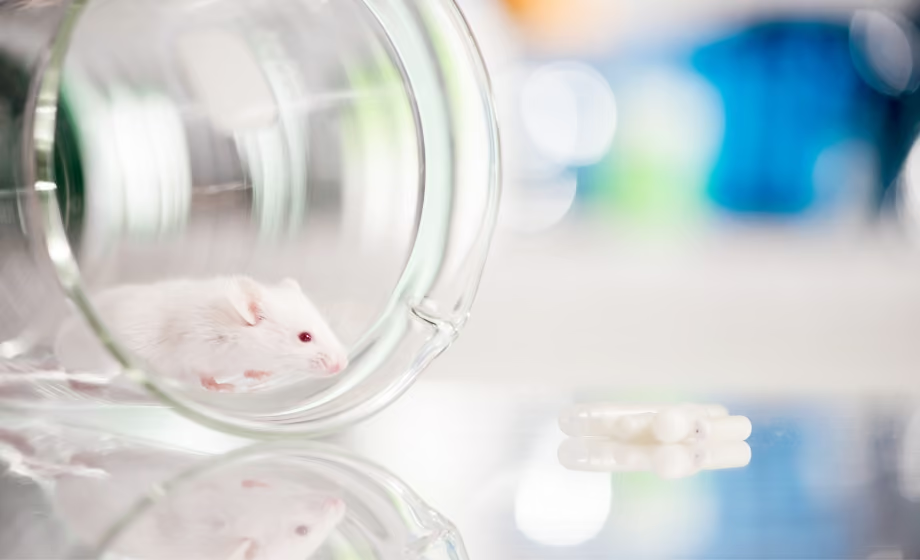
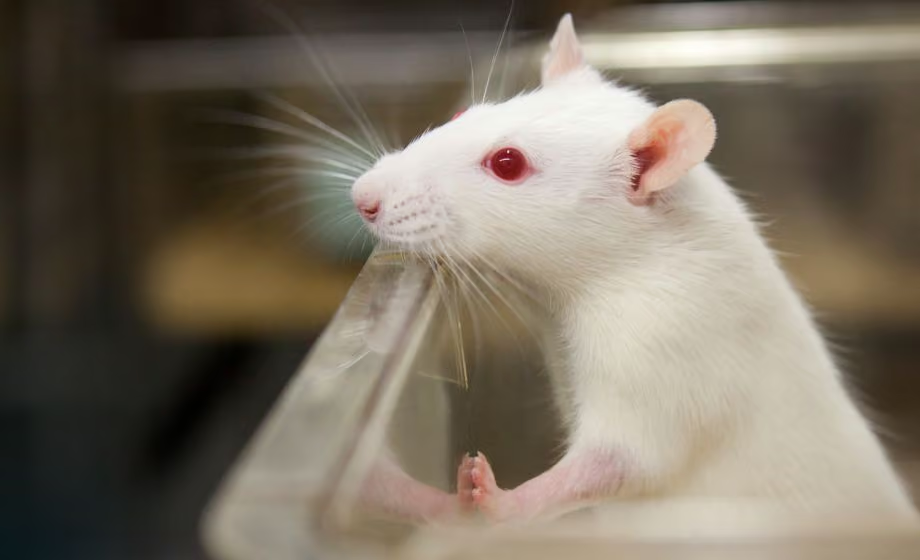
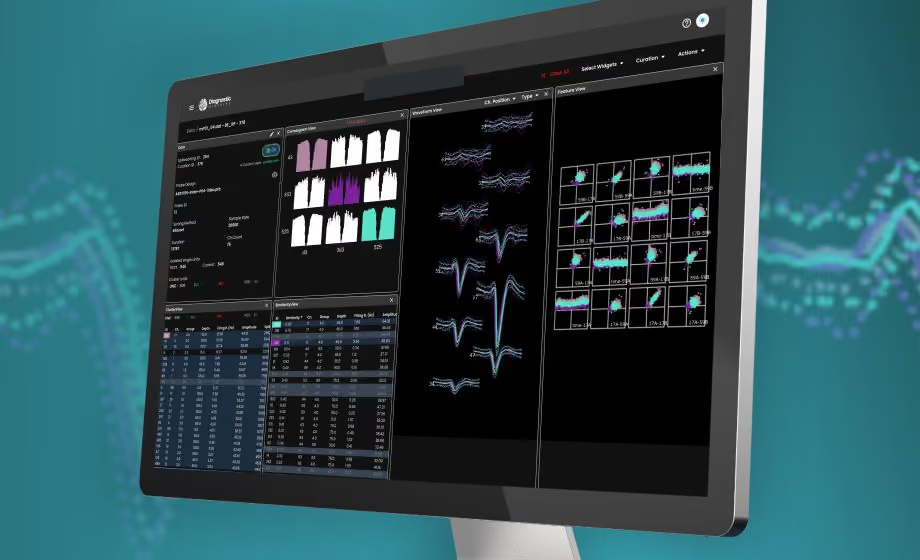
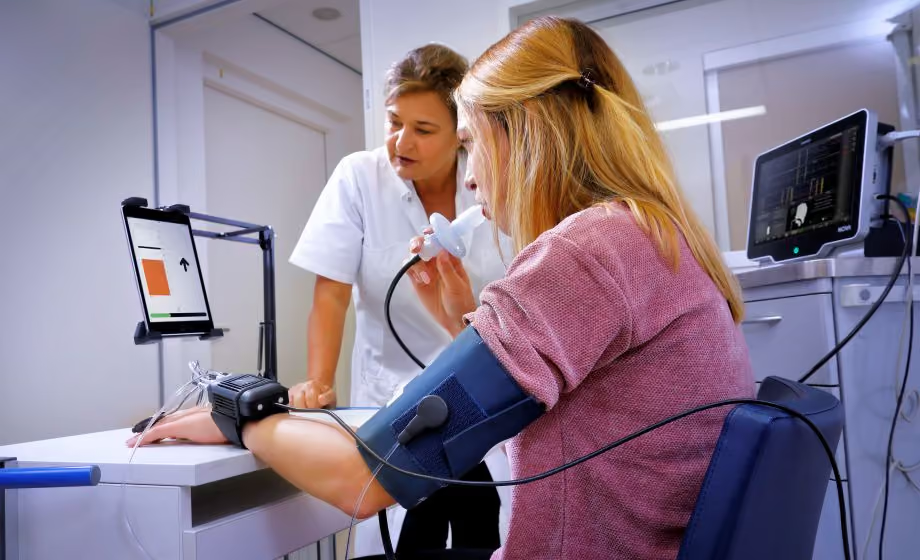
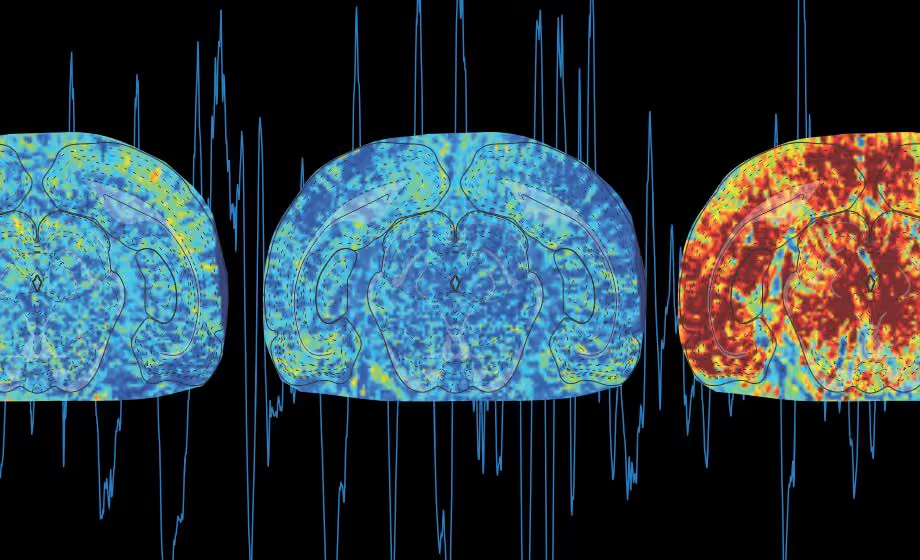
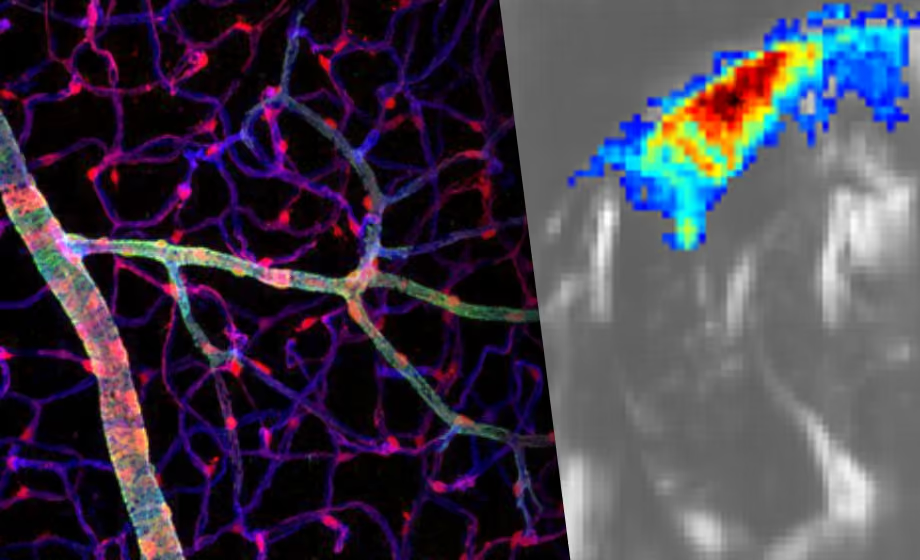
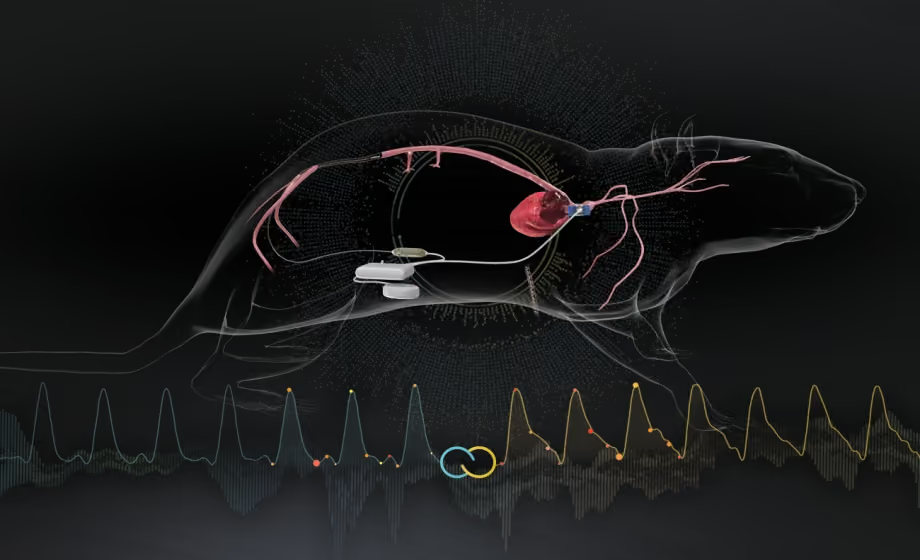
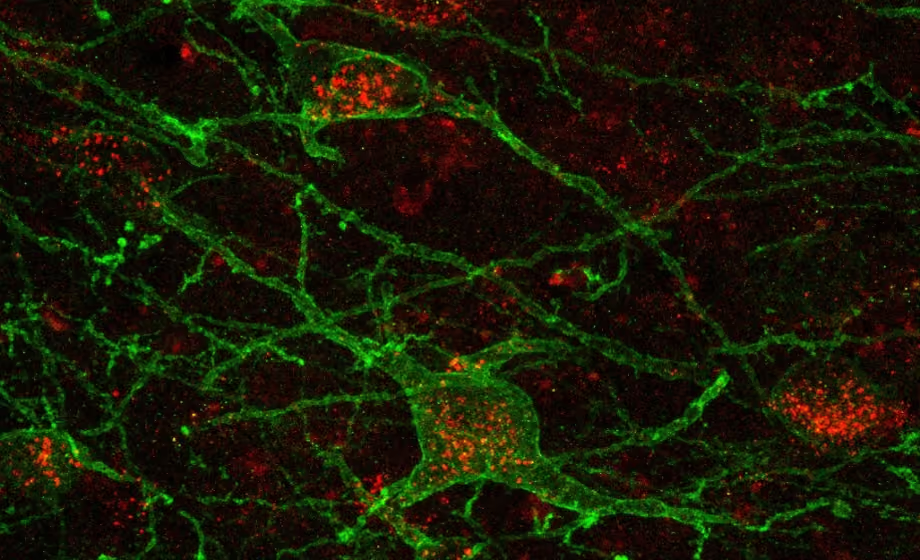
In this webinar, Dr. Phillips reviews next-generation techniques for interrogating the sympathetic nervous system in the context of hemodynamic control, using both the clinical setting with humans and the preclinical setting with non-human animals. He reviews the basic neurovascular anatomy, discusses new computational approaches for data analysis, review natural and biomimetic artificial closed-loop control systems for hemodynamic stability, reviews virally-mediated neuron tracing specific to sympathetic hemodynamic control, and describes neuron-specific sympathetic nervous system manipulation for establishing causal mechanisms through optogenetics and chemogenetics.
Featuring Insights from

Aaron Phillips
PhD
Dr. Aaron Phillips was trained in biosciences and mathematics. His appreciation of the elegant interactions between the nervous and cardiovascular systems, and how these interactions are disrupted in clinical conditions, has driven his research into the development of novel therapeutics for people with neurological health issues.
Sponsored by

ADInstruments
In Partnership with
American Physiological Society
Founded in 1887, the American Physiological Society is a global leader in expanding knowledge related to biological function. We connect a multidisciplinary community of nearly 10,000 scientists and educators from around the world, driving collaboration and spotlighting scientific discoveries in physiology and related disciplines. Our members are advancing treatments and cures for everything from cancer and heart disease, to obesity and addiction. They are also deepening our insight into living organisms generally, helping us to better understand how things like climate change are affecting the world around us.