A webinar for cardiovascular researchers interested in using noninvasive blood flow velocity measurements to quantify changes in hemodynamics and characterize cardiac disease without the need for complex surgery or imaging.
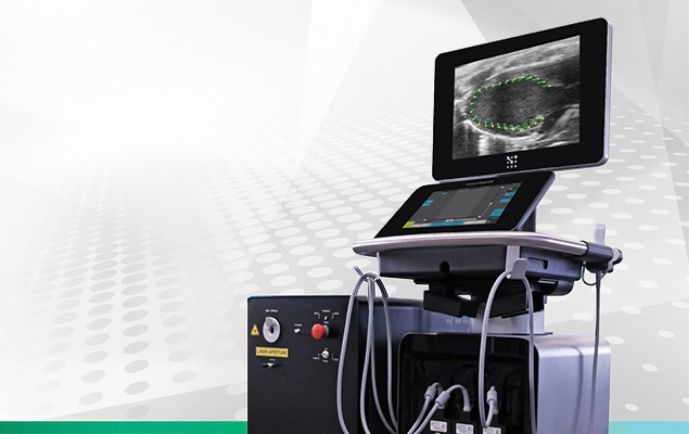
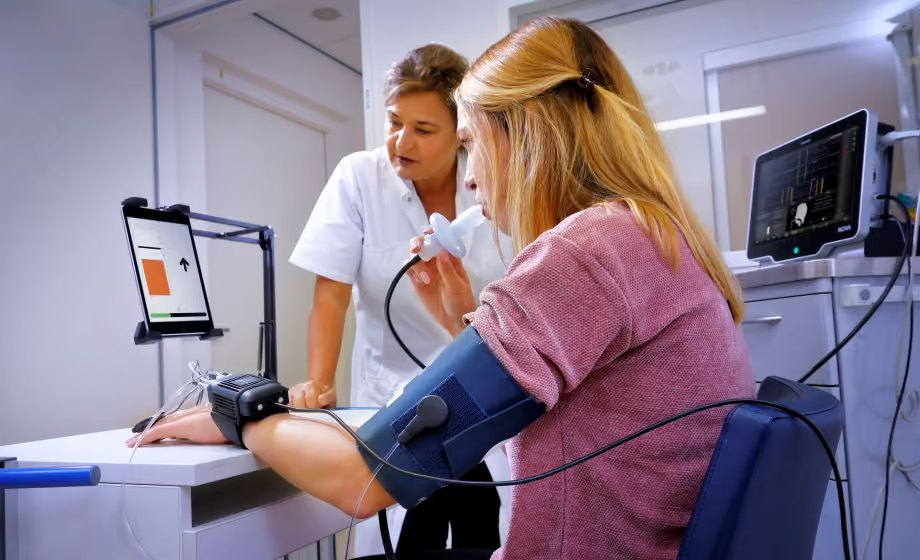
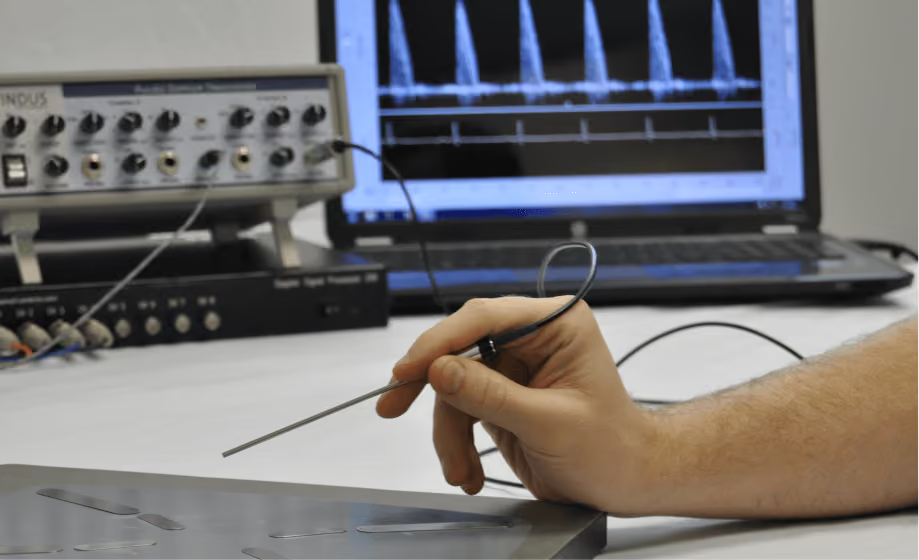
A variety of parameters exist for studying cardiac function, and each has its value in the complement of indices used to characterize and assess performance as part of a preclinical cardiac research protocol. Arguably, one of the most important parameters is the measurement of blood flow which can be monitored and acquired in different ways. Doppler flow velocity measurement is one technique that has been proven over the last 20 years in its ability to translate results from bench to bedside. Flow velocity measurement is noninvasive, obviating the need for surgical implantation of transducers, and offers researchers a technology option with unparalleled reduction in measurement error. This webinar, sponsored by Indus Instruments, shows why blood flow velocity measurement should be considered as an essential component for any study protocol in a cardiac research lab.
Dr. Anilkumar Reddy of the Baylor College of Medicine presents data from his research outlining the importance of blood flow velocity measurement and shows examples of translational data. He provides a brief overview of Doppler flow velocity measurement technology and compares data obtained from complimentary devices such as 3D echo ultrasound and transit-time flow systems. Several models are presented showing how many selected measurements scale up in translational research from mice to mammals.
Featuring Insights from

Anilkumar K. Reddy
PhD
Dr. Reddy’s research interests include evaluation of cardiac and vascular mechanics in senescent, disease, transgenic, and surgical models of mice. Some of the rodent models he studies include atherosclerosis, dwarf, myocardial infarction/remodeling, pressure overload, hypertension, absent vascular tone, and absent steroid receptor coactivator-1, with the main goal being to translate what is learned in mice to humans for early detection and screening.
Sponsored by