Webinar Summary
- Understand the basics of optogenetic stimulation and cardiac autonomic tone
- Identify the proper tools and equipment needed to perform a study
- Recognize the potential problems when stimulating cardiac nerves via optogenetic activation and how to address them
- How to interpret the data and not being mistaken by false-positives
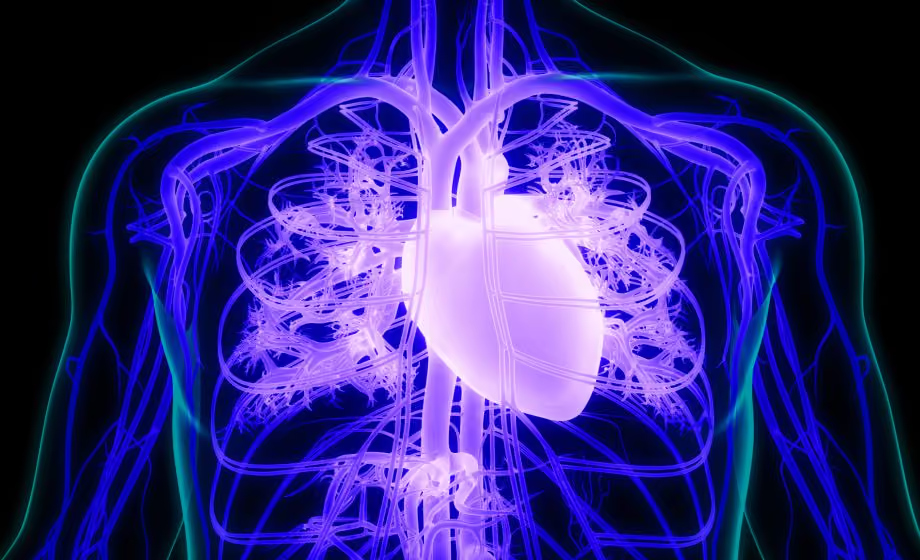
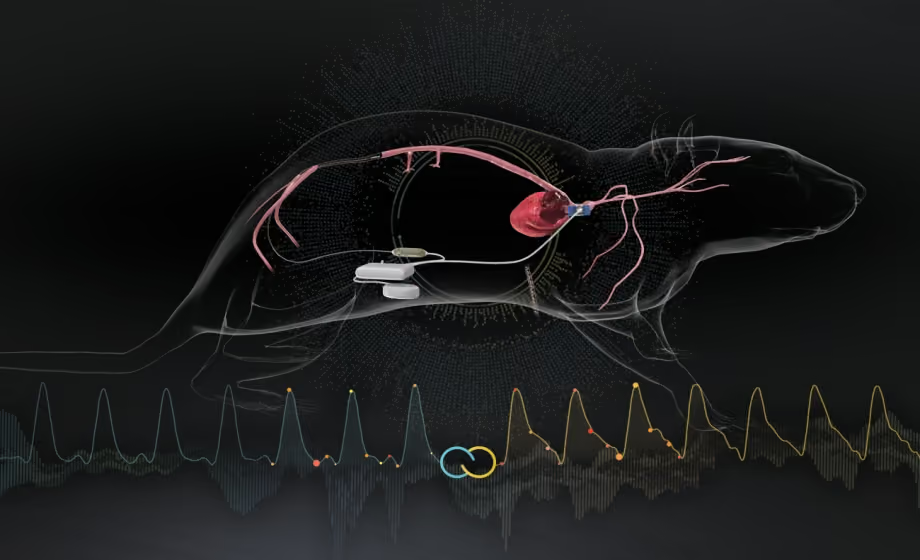
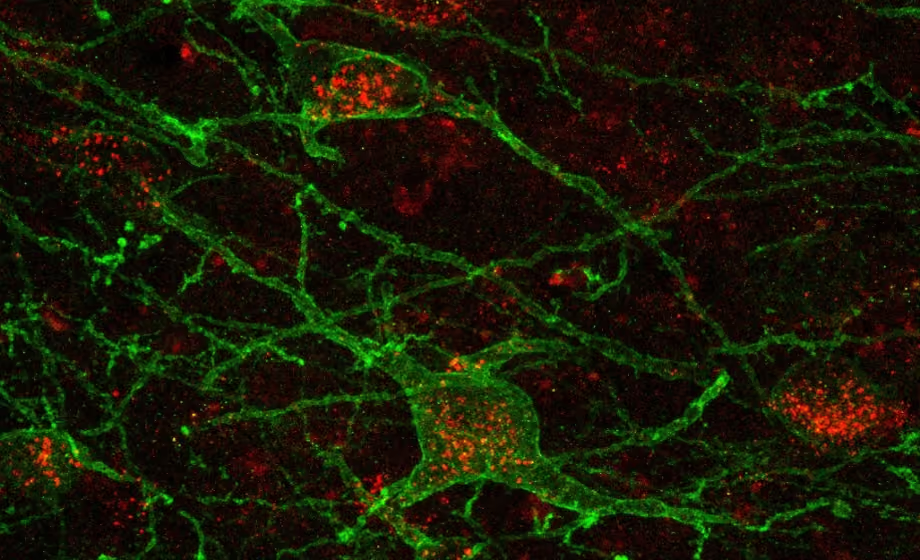
The autonomic system is the main regulator of cardiac function by providing control of heart rate and contractility via its sympathetic and parasympathetic branches. Understanding how autonomic dysfunction plays a role in cardiac arrhythmogenesis is an active area of research. However, measuring changes in cardiac performance resulting from the activation of specific cardiac nerves is extremely challenging. Therefore, optogenetic tools have enabled the selective activation of cardiac neurons expressing the light-gated cation channel channelrhodopsin (ChR2), promoting high spatio-temporal control of neurotransmitter release.
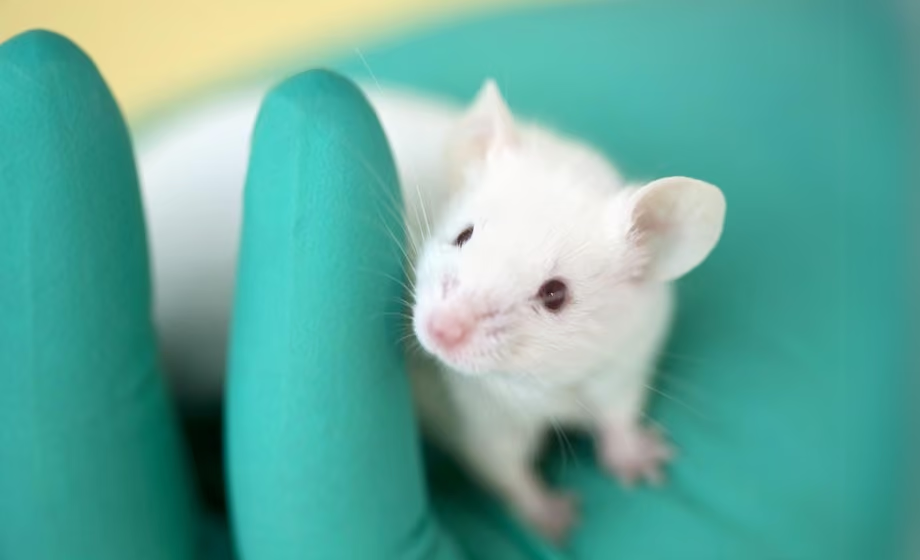
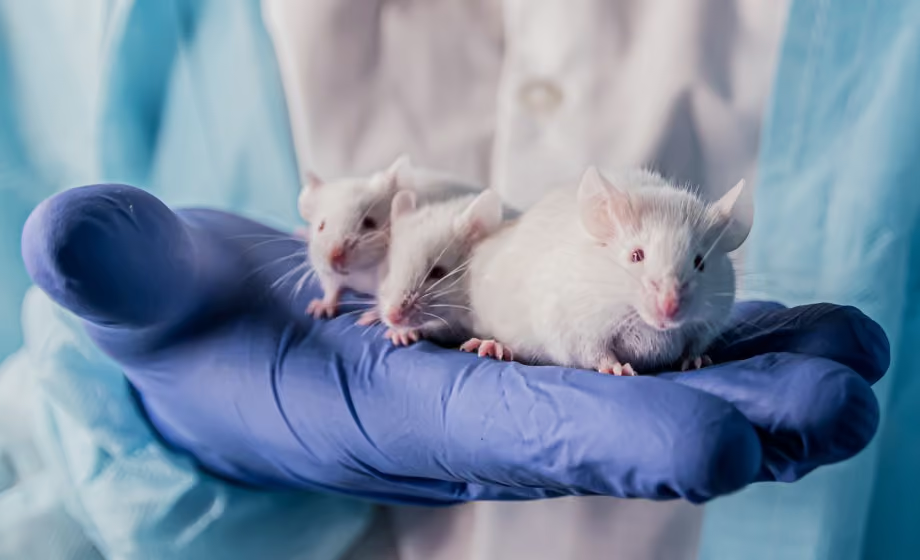
This presentation provides an overview of the cardiac autonomic system and how it could be modulated via optogenetic photostimulation in transgenic mice. A special emphasis will be given to experimental preparation, troubleshooting, and data analysis and interpretation.
Featuring Insights from

Angel Moreno
PhD
Dr. Moreno received his doctoral degree in Biomedical Engineering from the George Washington University specializing in cardiac function. Currently, as a Post Doctoral Researcher at the IHU-LIRYC in France, Dr. Moreno is looking for new ways to painlessly restore normal cardiac rhythm after a sudden onset of a potentially dangerous arrhythmia.
Sponsored by

ADInstruments
In Partnership with
American Physiological Society
Founded in 1887, the American Physiological Society is a global leader in expanding knowledge related to biological function. We connect a multidisciplinary community of nearly 10,000 scientists and educators from around the world, driving collaboration and spotlighting scientific discoveries in physiology and related disciplines. Our members are advancing treatments and cures for everything from cancer and heart disease, to obesity and addiction. They are also deepening our insight into living organisms generally, helping us to better understand how things like climate change are affecting the world around us.