Webinar Summary
- Define theoretical models of preeclampsia pathogenesis
- Describe the contribution of the placenta to circulating cell-free mitochondrial DNA in preeclampsia
- Define the inflammatory and vasoactive effects of circulating cell-free mitochondrial DNA in preeclampsia
Preeclampsia is a multisystem hypertensive disorder of pregnancy that affects 5-8% of all pregnancies and significantly increases risk of long-term cardiovascular disease-related maternal mortality and morbidity. Preeclampsia was first described by Hippocrates in Ancient Greece. Despite advancements in biology and medicine since 400 BC, the etiology of preeclampsia remains unknown, and it is still a leading cause of maternal deaths.
This webinar will discuss Dr. Stella Goulopoulou's research on the contribution of the placenta to circulating cell-free mitochondrial DNA in preeclampsia and the resulting vasoactive and inflammatory effects.
Featuring Insights from

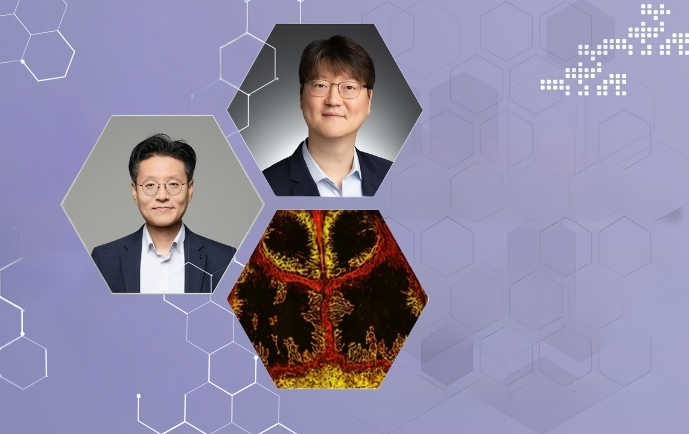
Stella Goulopoulou
MS, PhD
Dr. Goulopoulou is an Associate Professor in the Lawrence Longo Center for Perinatal Biology at Loma Linda University, Loma Linda, California. Her research program focuses on vascular physiology, with emphasis on immune and inflammatory underpinnings of female vascular dysfunction in obstetric and gynecologic disorders.
In Partnership with

American Physiological Society
Founded in 1887, the American Physiological Society is a global leader in expanding knowledge related to biological function. We connect a multidisciplinary community of nearly 10,000 scientists and educators from around the world, driving collaboration and spotlighting scientific discoveries in physiology and related disciplines. Our members are advancing treatments and cures for everything from cancer and heart disease, to obesity and addiction. They are also deepening our insight into living organisms generally, helping us to better understand how things like climate change are affecting the world around us.

Scientist.com
Scientist.com is the world’s largest and first platform built for the intricacies of scientific outsourcing.
We help pharmaceutical and biotechnology organizations discover, engage, manage, and scale relationships with the providers that support every stage of the pipeline—from discovery and preclinical research to clinical development, manufacturing, medical affairs, and commercialization. Through a centralized platform, organizations can access a global network of 6,000+ providers, streamline sourcing and procurement workflows, maintain compliance, manage supplier relationships, and leverage data-driven insights to make faster, more informed decisions.
Today, Scientist.com supports more than 130 life science organizations, including 24 of the world's top 30 pharmaceutical companies, helping teams reduce operational complexity, accelerate timelines, and bring innovations to patients faster. Our mission is to make it possible to cure all human disease by 2050.

Society for Women’s Health Research
As a national thought leader dedicated to advancing women’s health and promoting research on sex differences to optimize women’s health, the Society for Women’s Health Research (SWHR) plays a critical role in identifying clinical and research gaps; raising awareness of diseases, conditions, and life stages that differently, disproportionately, or exclusively affect women; and promoting policies that could positively shape health outcomes for women. Over its more than 30-year history, SWHR has been advancing women’s health through its core functions of science, policy, and education.