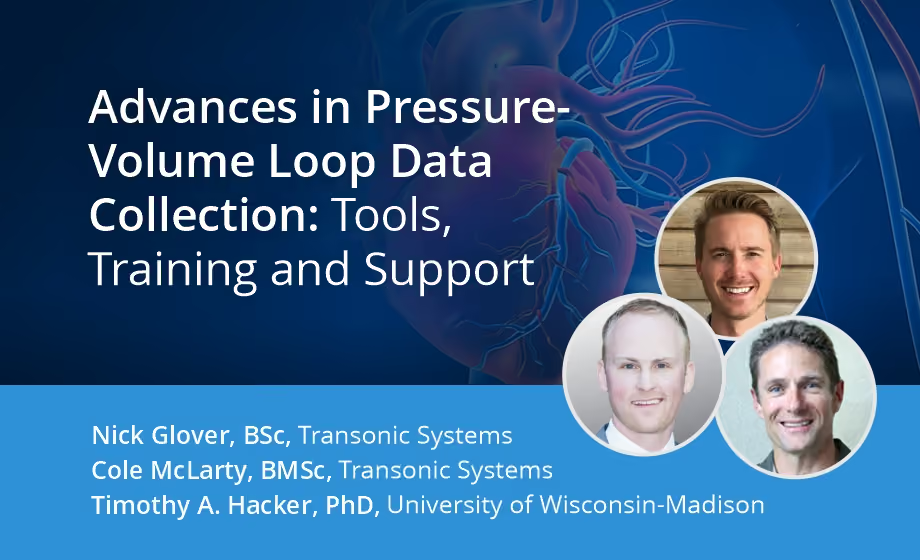
A webinar discussing methodology, best-practices and prescribed techniques for accurate and repeatable collection of pressure-volume loop data in large animal models of cardiac dysfunction and heart disease.
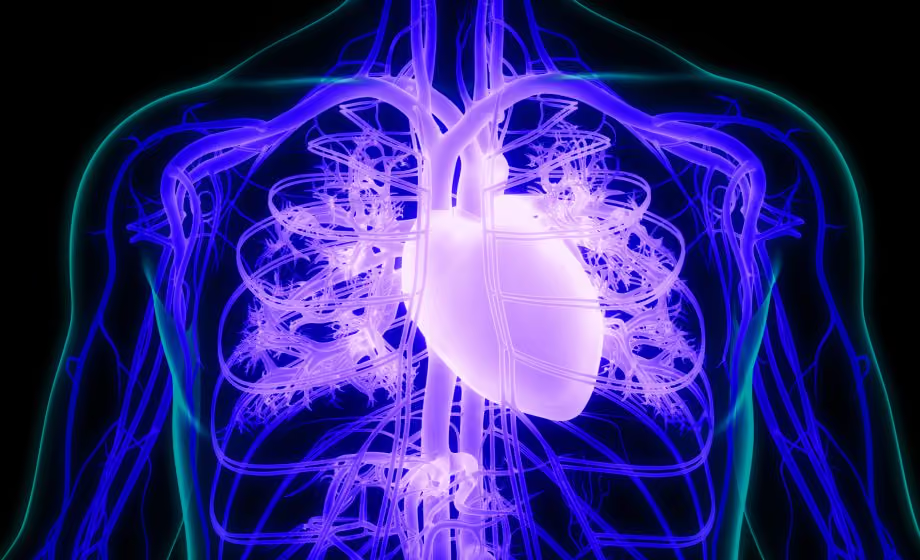
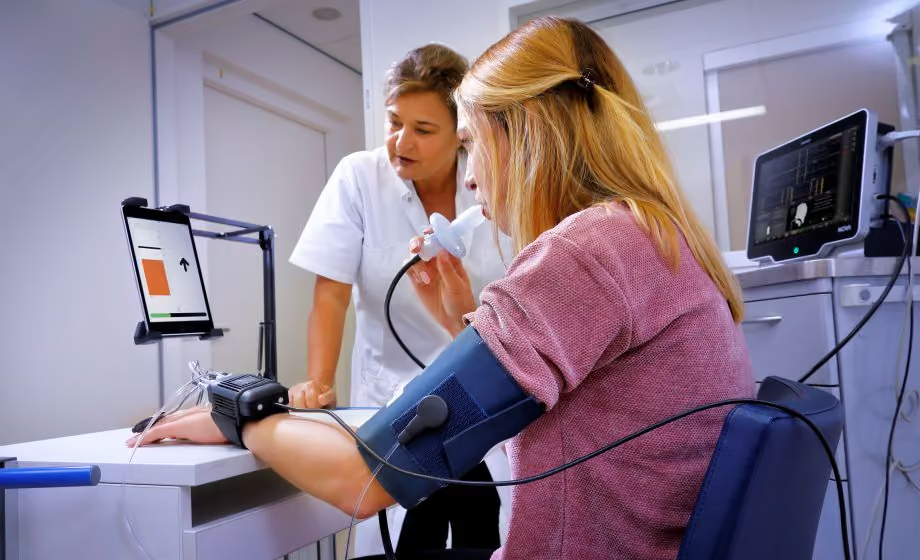
Large animal hemodynamic research models are on the rise. They are increasingly used in various preclinical studies including pharmaco-safety and drug discovery assessment, ventricular assist-device testing and models of pulmonary artery hyperthrophy and right ventricular overload. Important to these applications and all cardiovascular studies is the collection of both central and peripheral hemodynamics, with a focus on instantaneous pressure and volume measurements from the beating heart (PV Loops). Only with PV loops can scientists obtain the most comprehensive evaluation of cardiac function. It is therefore critical for cardiovascular scientists to understand how PV Loop data should be collected along with these peripheral hemodynamic measurements. This webinar aims to discuss these essential elements and how they should be applied.
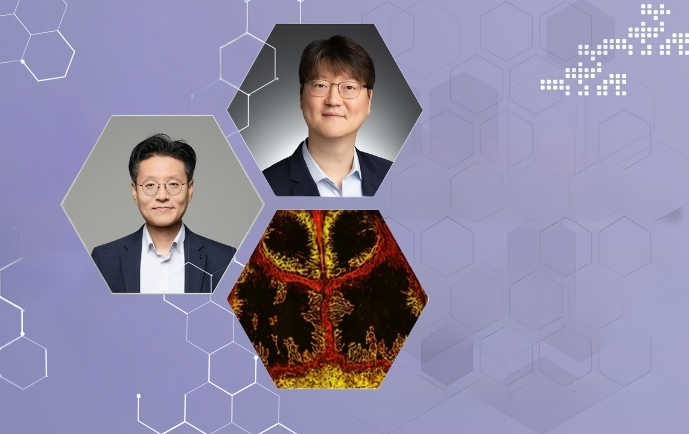
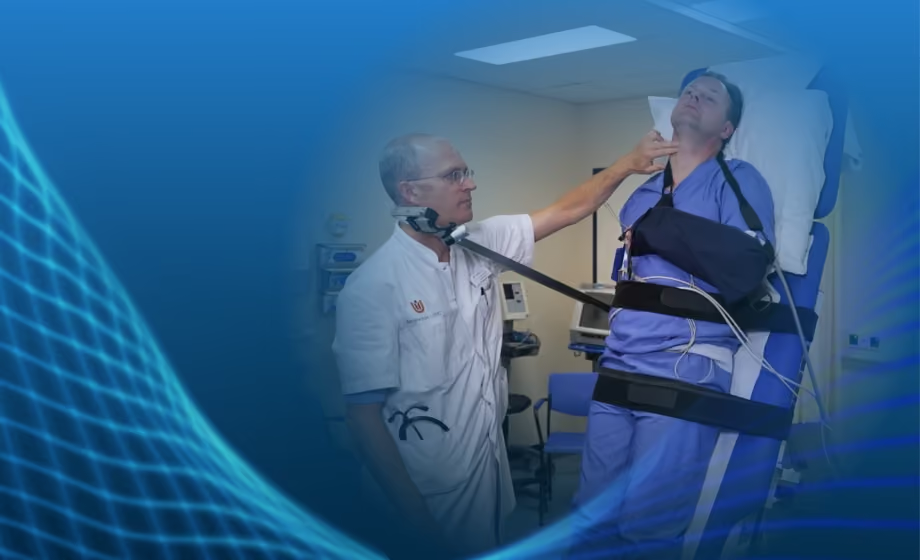
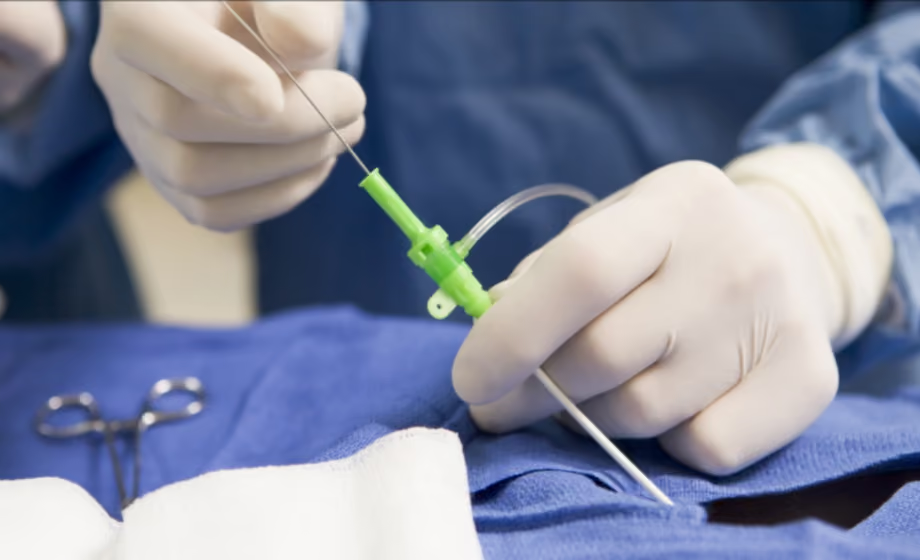
During this webinar sponsored by Transonic, Dr. Tim Hacker and Dr. Filip Konecny present common hemodynamic set ups for large animal models. Using case studies from dogs and swine models, they show surgical best-practices, tips for catheter navigation and how to correctly position a PV-catheter in the left or right ventricle. In addition, they explain how researchers can verify accurate and reliable PV loop data at the bench-side.
Featuring Insights from
Timothy A. Hacker
PhD
Dr. Hacker is a Senior Scientist and Director of the Cardiovascular Physiology and Surgery Core Facility at the University of Wisconsin-Madison. His work at the Cardiovascular Research Core Lab facility provides researchers with surgical models of disease as well as non-invasive imaging and invasive physiologic monitoring of the disease process. Dr. Hacker has established cardiac disease models in mice, rats, rabbits, pigs, dogs and primates.

Filip Konecny
DVM PhD
Sponsored by