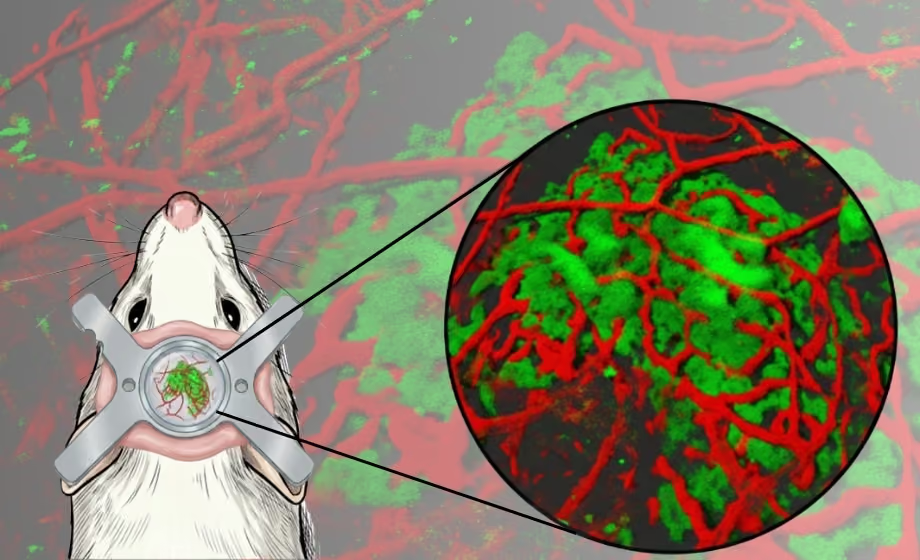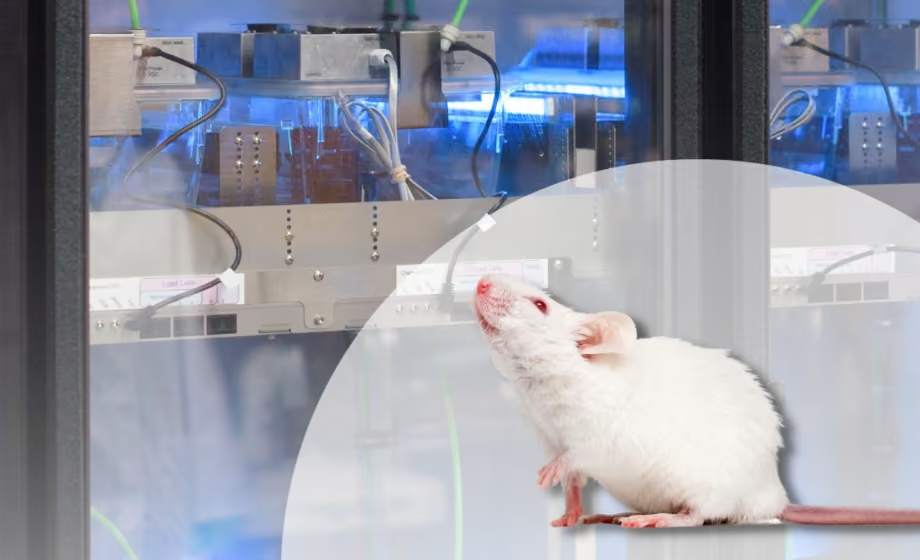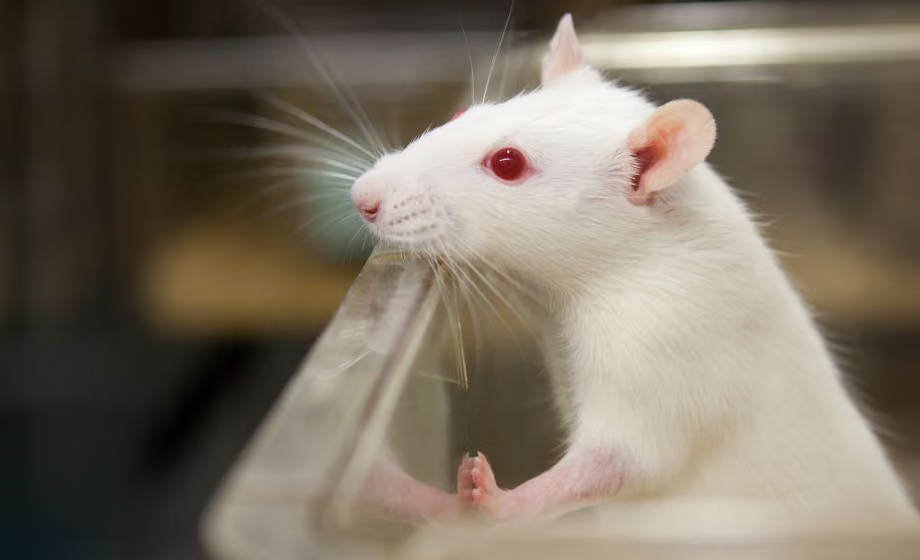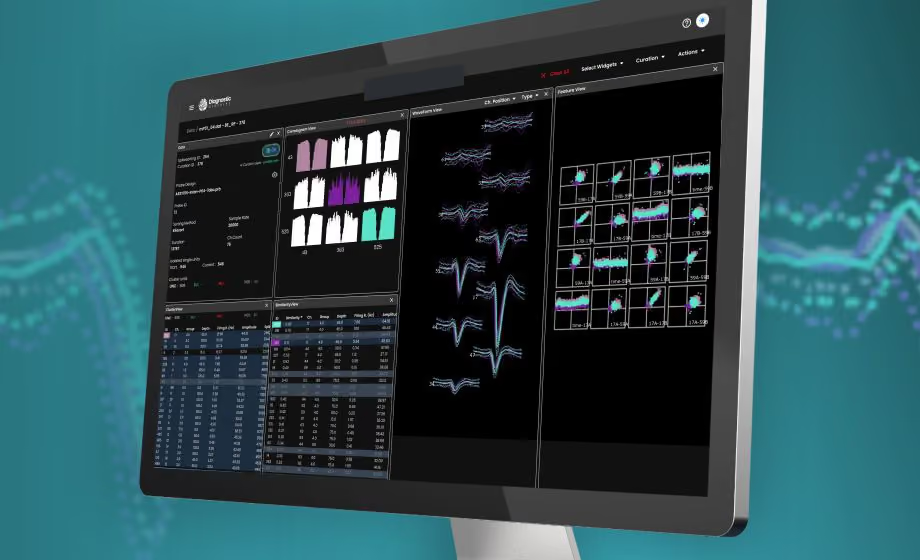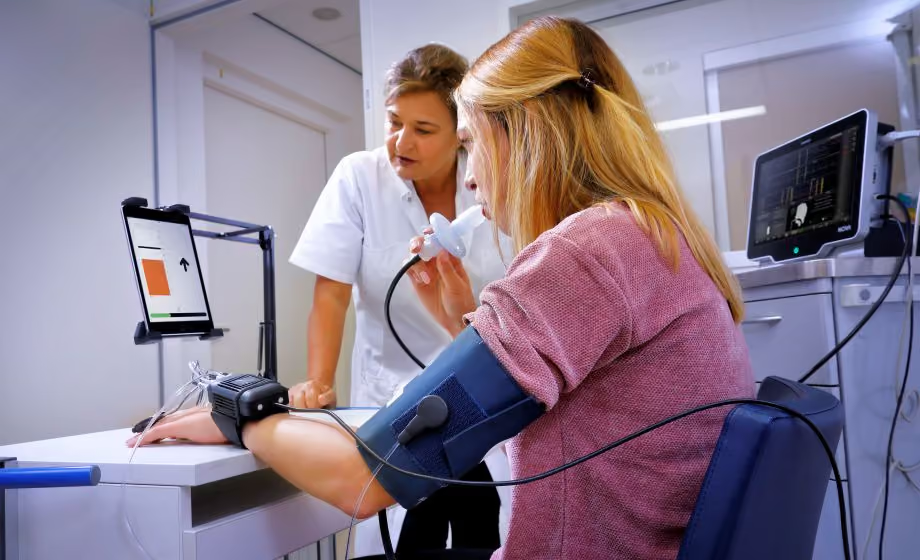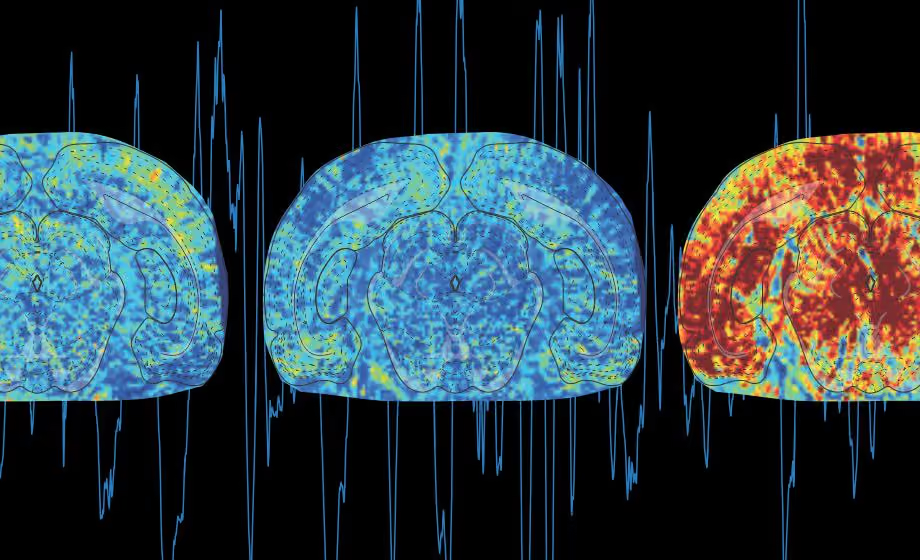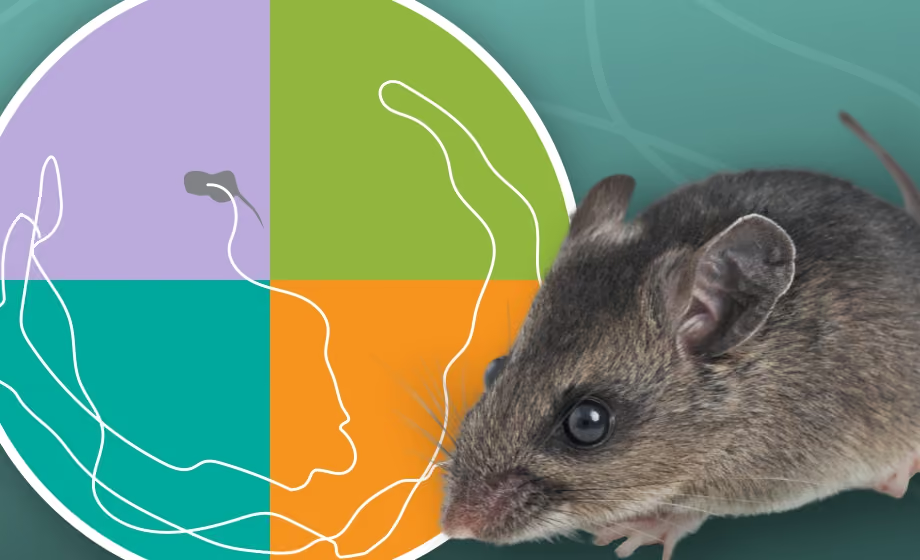
Scientists discuss technological advancements and present novel application of new head-mounted and implantable, wireless sensors for neural recording and stimulation in freely moving animals.
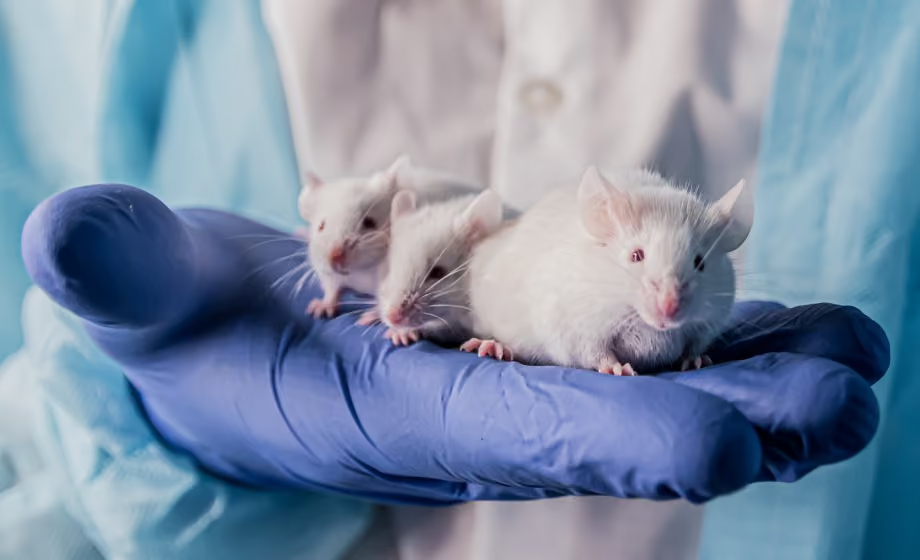
During this webinar, sponsored by Triangle BioSystems International (TBSI), scientists present experimental methods and scientific findings from applications of in vivo electrophysiology in freely moving rodents using new head-mounted, wireless sensors.
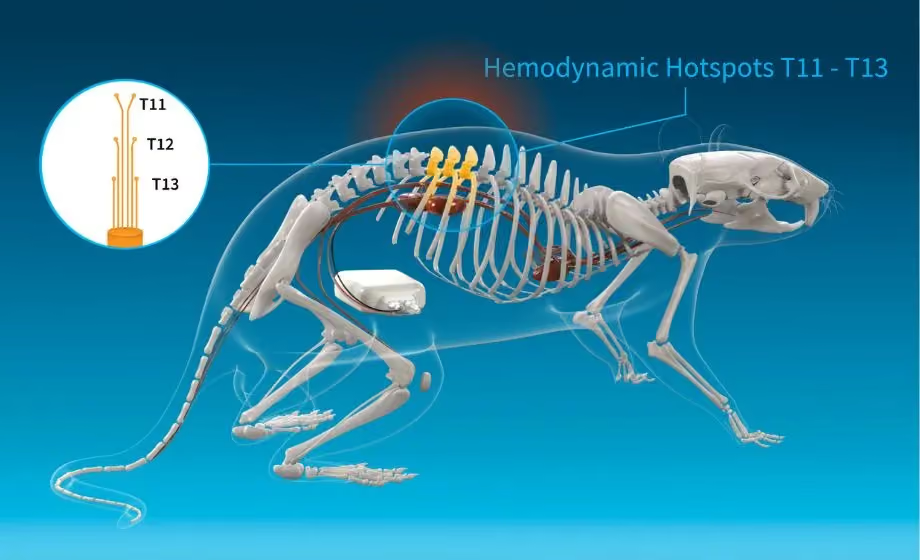
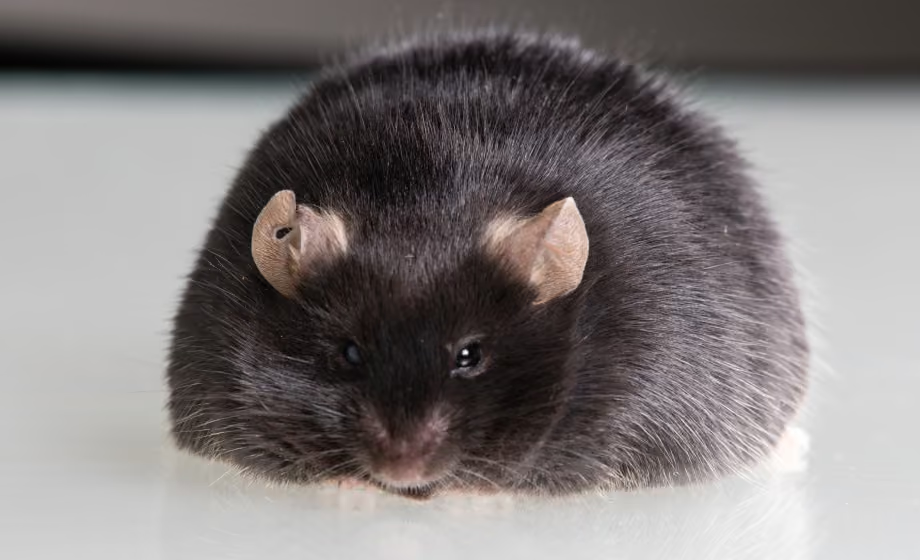
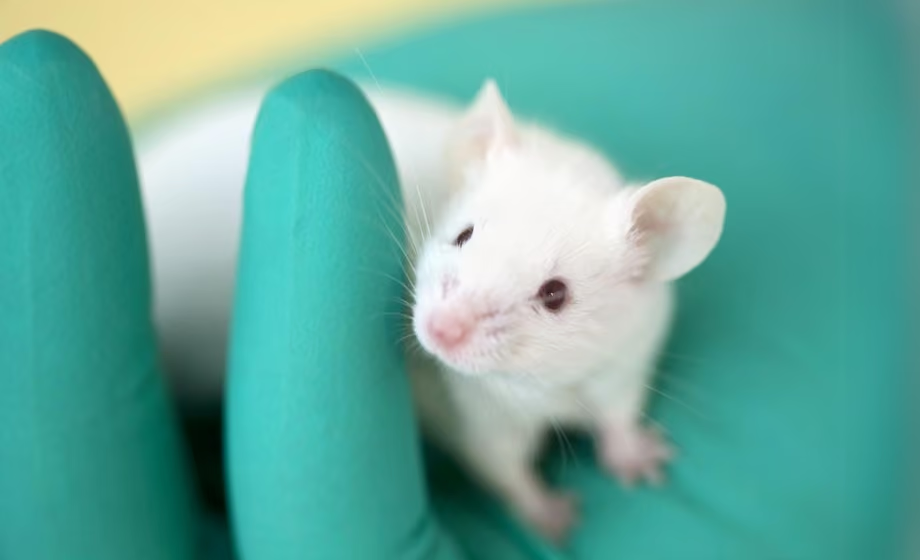
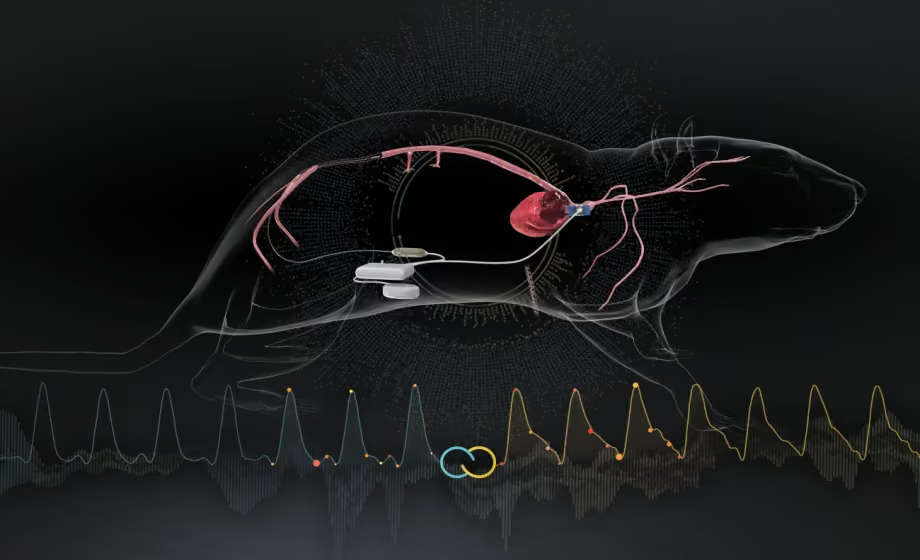
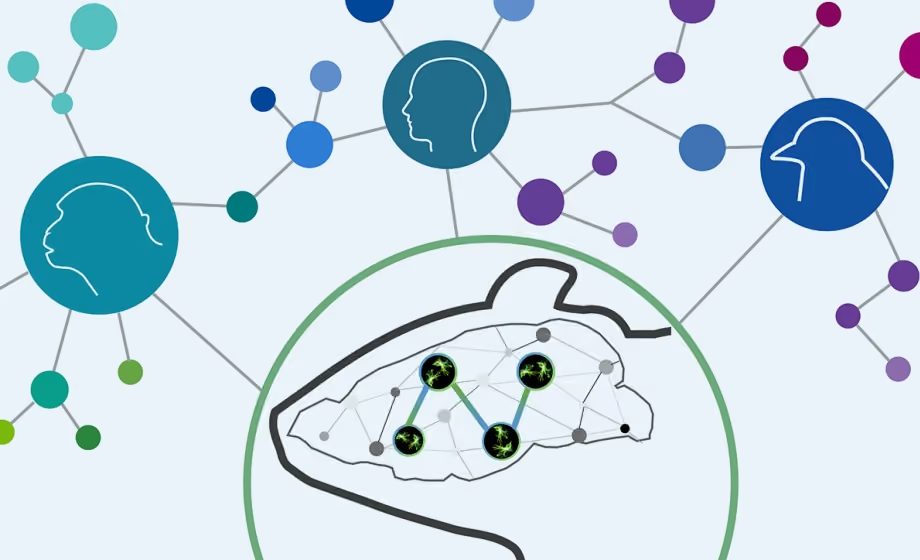
Specifically, Dr. Melissa Caras and Dr. Dan Sanes from the Centre for Neural Science at New York University, present a case study on auditory cortex recordings collected from freely moving gerbils during learning and task performance. They share methodology, resulting discoveries, and discuss the importance of within-animal, real-time comparisons of neural and behavioral measures. Following, Bradly Barth presents experimentation conducted in Dr. Xiling Shen's laboratory at Duke University, where they have achieved successful stimulation of the sacral nerve in conscious, freely-moving, untethered mice using a hermetic, fully-implantable, wireless nerve stimulator from TBSI.
Featuring Insights from

Melissa Caras
PhD
Melissa Caras is a postdoctoral associate in the Sanes Lab at the Center for Neural Science, NYU. Her research examines how auditory perception changes as a function of experience, and explores the neural mechanisms that support this plasticity. She has investigated this topic using several paradigms, including the effects of hormonal fluctuations and the consequences of developmental hearing loss. Currently, she uses cutting-edge methodologies to explore the neural mechanisms of auditory perceptual learning.

Dan Sanes
PhD
Dan Sanes is a professor of Neural Science and Biology at the Centre for Neural Science, NYU. He has been cited in over 100 articles, 9 peer-reviewed chapters, and 4 books. His lab studies the development and function of brain circuits that encode auditory cues, and the emergence of adult perceptual skills at both the cellular and systems levels.
Bradley Barth
Bradley Barth is a PhD candidate in the Shen laboratory at Duke University. He studies the neural control of motility in the gastrointestinal system with in vivo electrophysiology and electrical stimulation.
Sponsored by