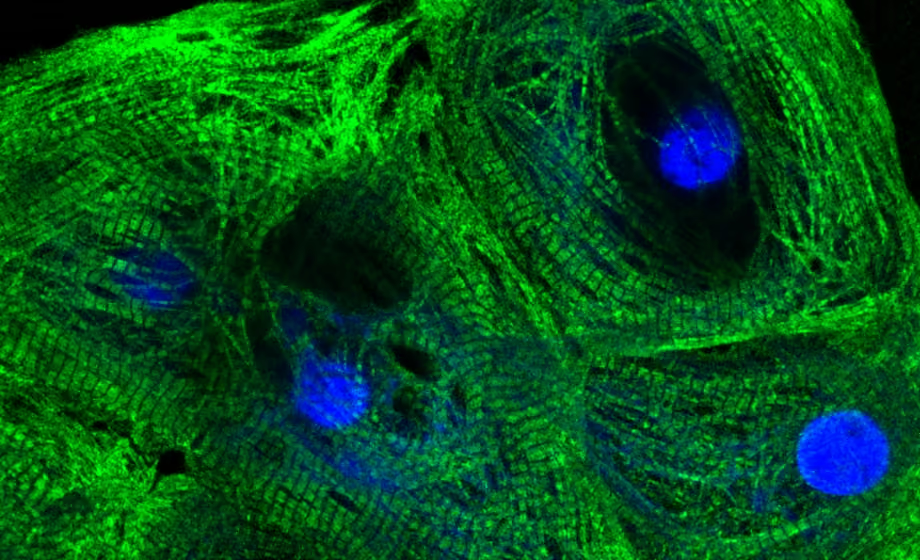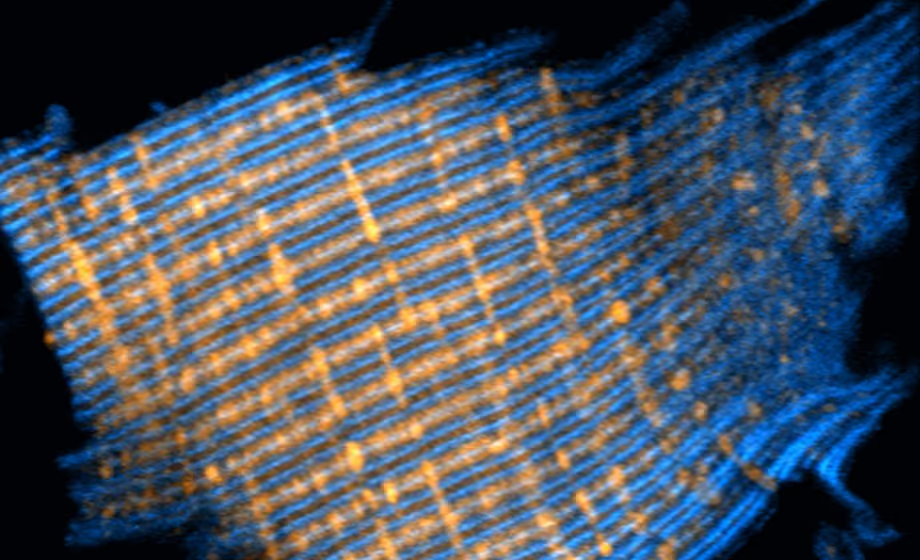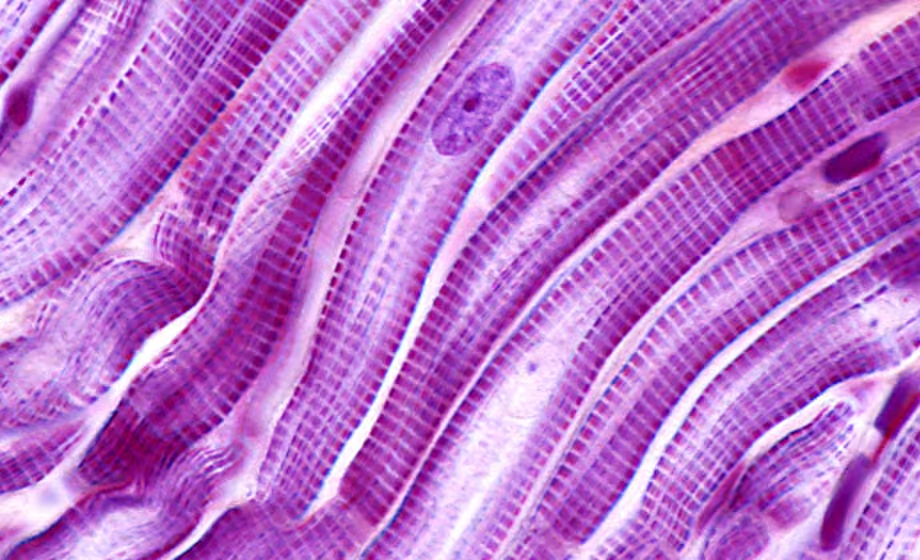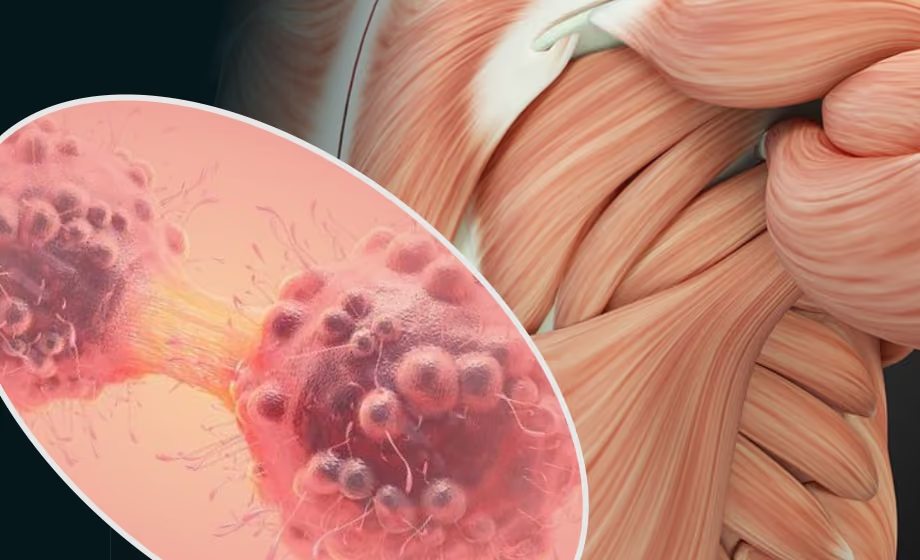
Dr. Anne McArdle and Dr. Malcolm Jackson explore groundbreaking research from the Muscle Laboratories at the University of Liverpool. They examine how redox regulation influences the adaptive responses of skeletal muscle during physical activity and how these processes evolve with age.
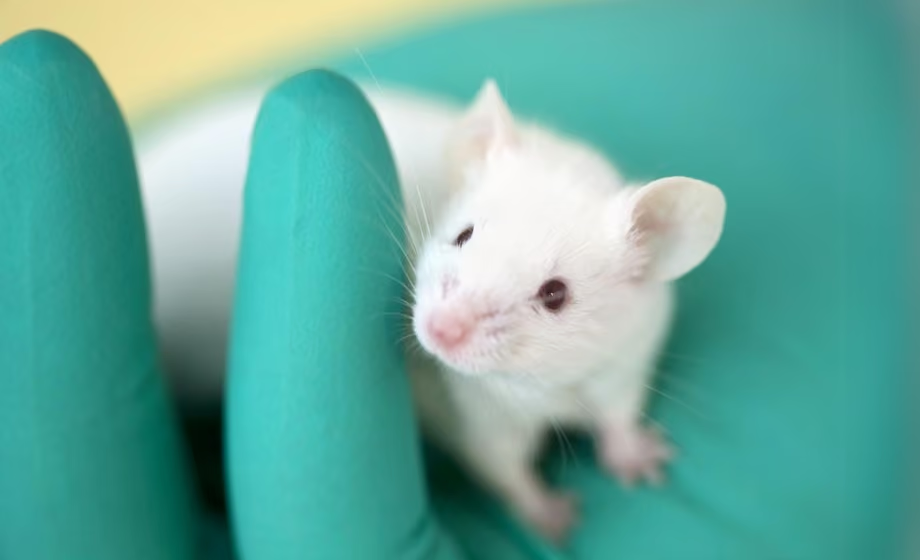
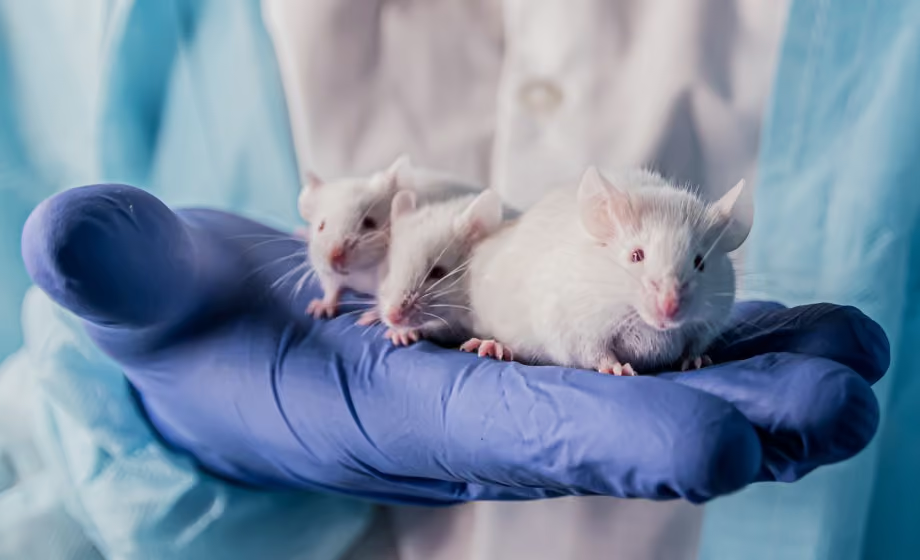
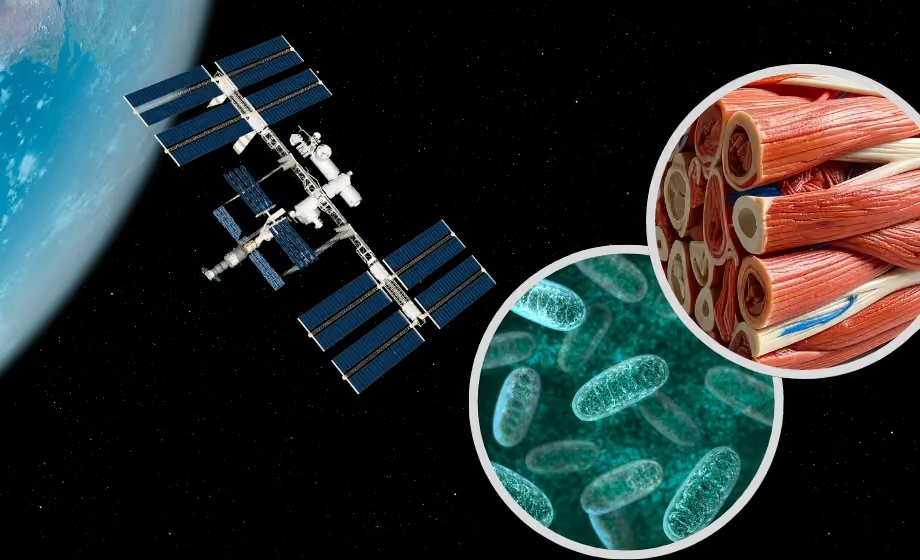
This webinar covers the development of cutting-edge methodologies to study reactive oxygen species (ROS) in muscle cells and uncover their specific functions. They also discuss how age-related disruptions in redox balance can affect muscle responses, particularly in the production of heat shock proteins (HSPs). The webinar presents findings demonstrating that restoring HSP levels in older mice can enhance muscle mass and function. Additionally, they draw parallels between muscle responses in ageing and the rapid muscle loss observed during space flight. This is studied using 3D human muscle constructs on the International Space Station (ISS). Research indicates that microgravity impacts muscle contractions, and they show how HSP overexpression offers partial protection, mirroring the ageing process on Earth.
This session is ideal for anyone interested in the intersection of muscle biology, the ageing process, and space research.
Featuring Insights from

Anne McArdle
PhD
Dr. Anne McArdle is a physiologist/biochemist examining the basic mechanisms of muscle dysfunction in ageing. Her work also encompasses altered muscle function in other illnesses such as Chronic fatigue/post-COVID syndrome, with focus on muscle as an inflammatory organ. Her work on the MicroAge mission helped establish microgravity as a model for accelerated muscle ageing.

Malcolm Jackson
PhD, DSc, FRCPath
Malcolm Jackson, PhD, is a professor whose research investigates the roles of reactive oxygen and nitrogen species in skeletal muscle, with a primary focus on aging and the mechanisms driving sarcopenia. Recent studies have examined redox-regulated pathways involved in mitochondrial function, contractile activity, and denervation in aging muscle
Sponsored by
Aurora Scientific, Inc.
In Partnership with
American Physiological Society
Founded in 1887, the American Physiological Society is a global leader in expanding knowledge related to biological function. We connect a multidisciplinary community of nearly 10,000 scientists and educators from around the world, driving collaboration and spotlighting scientific discoveries in physiology and related disciplines. Our members are advancing treatments and cures for everything from cancer and heart disease, to obesity and addiction. They are also deepening our insight into living organisms generally, helping us to better understand how things like climate change are affecting the world around us.