Webinar Summary
- Imaging glutamate and GABA transients during epileptic activity in awake head-fixed mice.
- Potential mechanisms of seizure onset; role of inhibitory restraint in preventing seizures.
- Integration of various physiological recordings, including two-photon imaging, AC, and DC recording in an awake mouse.
- Unique design and properties of a genetically encoded calcium indicator (GECI) for endoplasmic reticulum (ER).
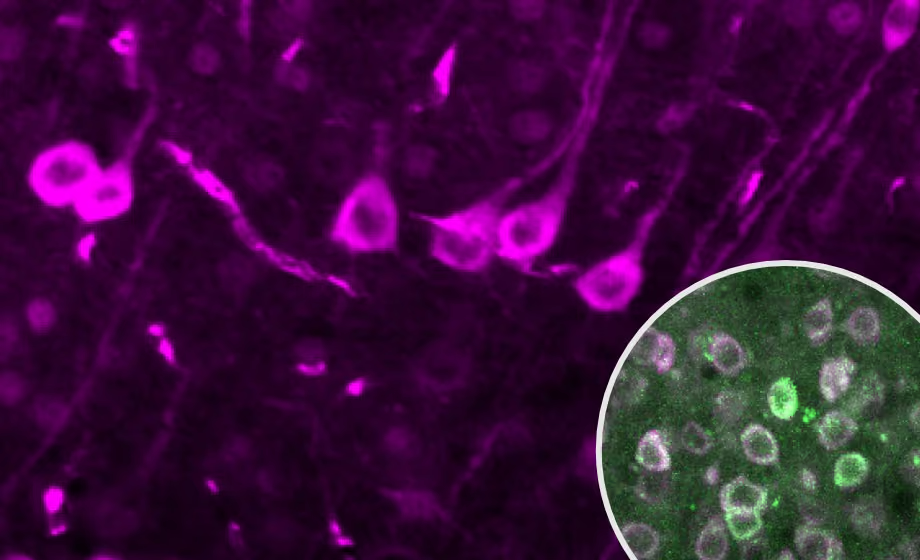
Focal epilepsy is associated with intermittent brief population discharges (interictal spikes) resembling sentinel spikes that often occur at seizure onset. Why interictal spikes self-terminate whilst seizures persist and propagate is incompletely understood. In the first part of this webinar, Dr. Magloire discusses their experimental design to image GABA and glutamate transients associated with electrographic epileptic activity in awake head-restrained mice using fluorescent sensors. The resulting spatiotemporal dynamics of GABA and glutamate transients during interictal spikes and at seizure onset reveal potential mechanisms of seizure generation and propagation.
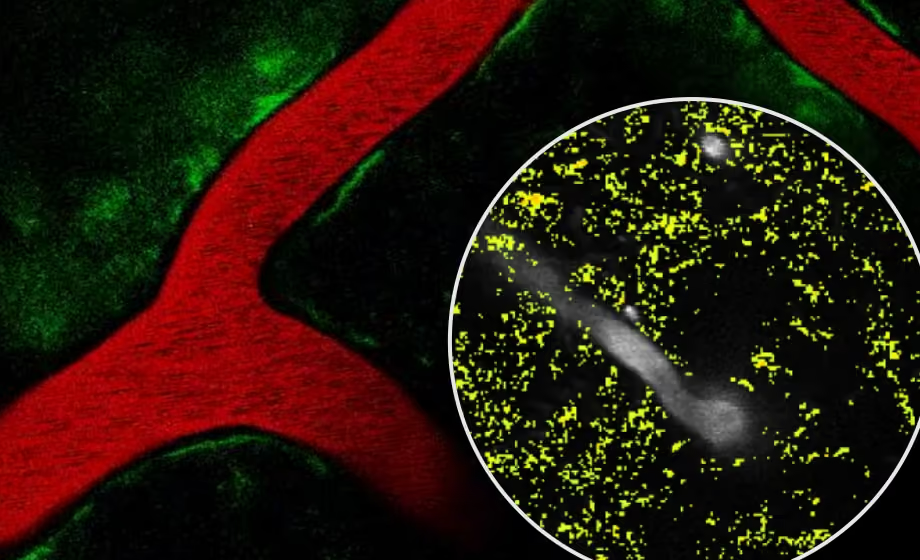
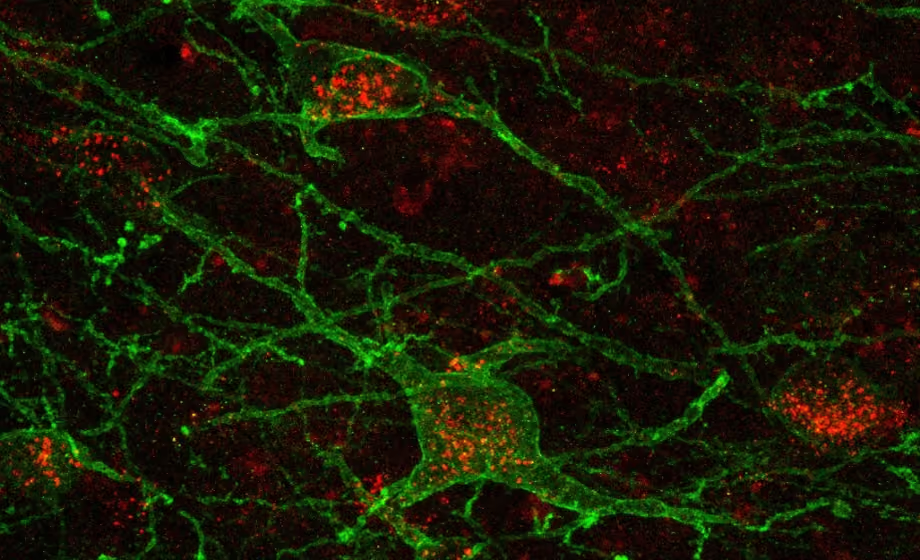
In the second half of the webinar, Dr. Berglund discusses his recent discovery on intracellular calcium signals in neurons during cortical spreading depolarization (CSD) after seizures. The termination of seizure activity is marked by a quiescent postictal period where brain activity almost completely subsides. Although it may not appear in EEG, the postictal brain experiences a slow-propagating, global shift in electrical potential called spreading depolarization. His team apply intravital two-photon imaging and genetically encoded calcium indicators (GECIs) in a mouse model of generalized seizures. To further elucidate the role of intracellular calcium signals, they monitored cytosolic and endoplasmic reticular (ER) calcium simultaneously through respective GECIs. Implications of these findings in seizure physiology and beyond are discussed.
Featuring Insights from
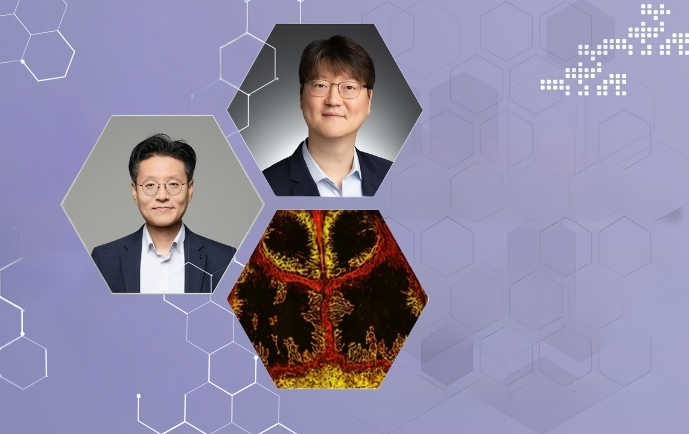
Vincent Magloire
PhD
Vincent Magloire is currently a Wellcome Principal Investigator interested in how brain excitability is regulated and how its dysfunction leads to paroxysmal disorders, with a view to developing novel treatment strategies.

Ken Berglund
PhD
Ken Berglund, PhD, is Assistant Professor of Neurosurgery at Emory University School of Medicine, and his primary research focus is optogenetic and chemogenetic tool development for neuroscience research.
Sponsored by