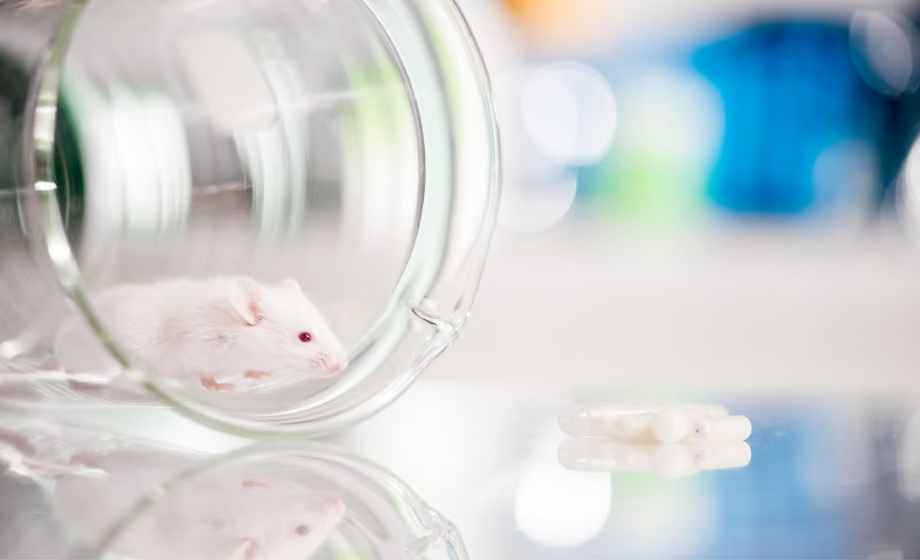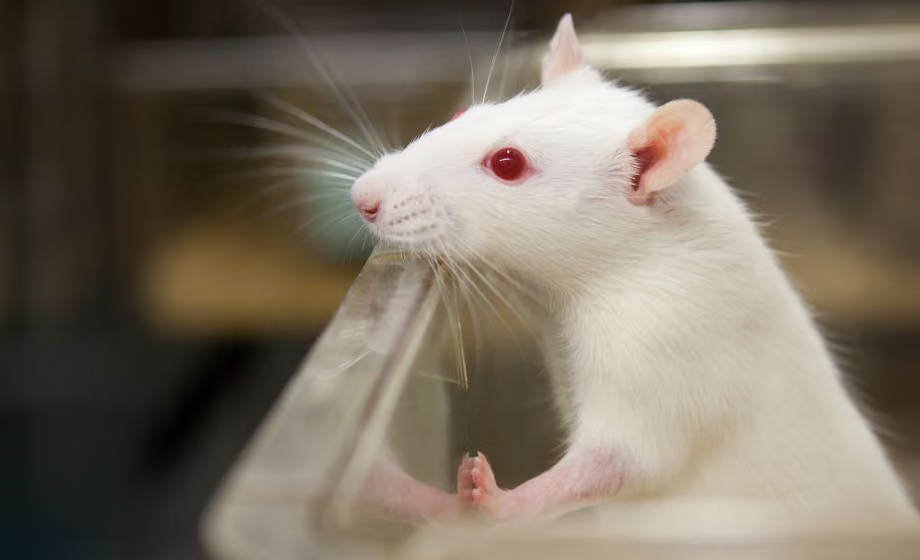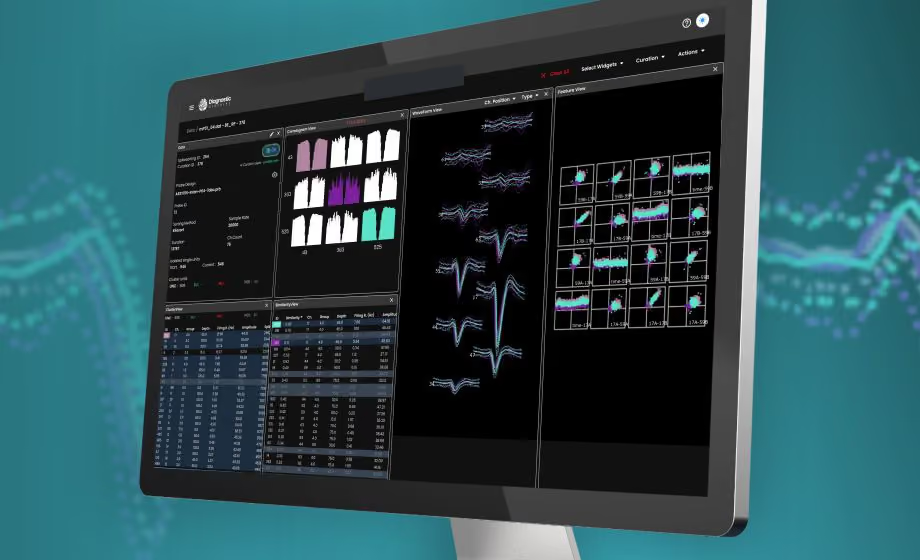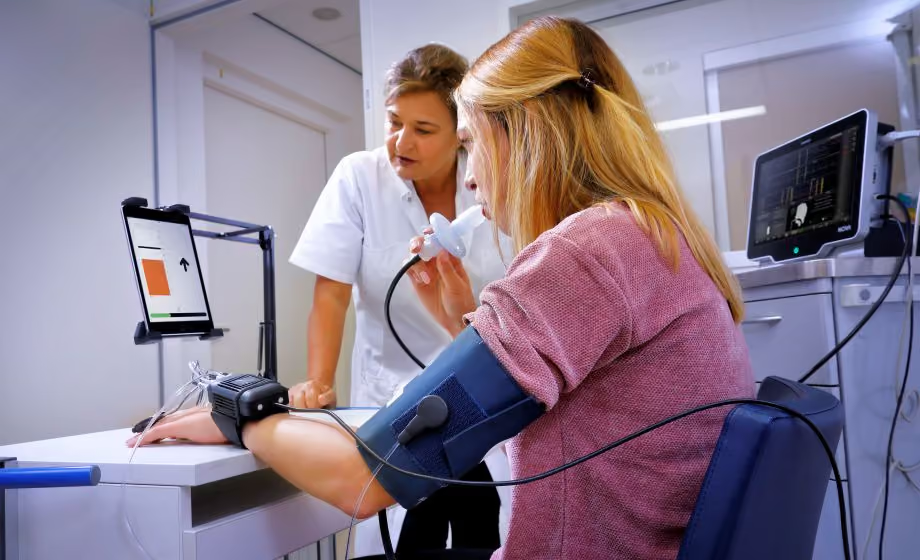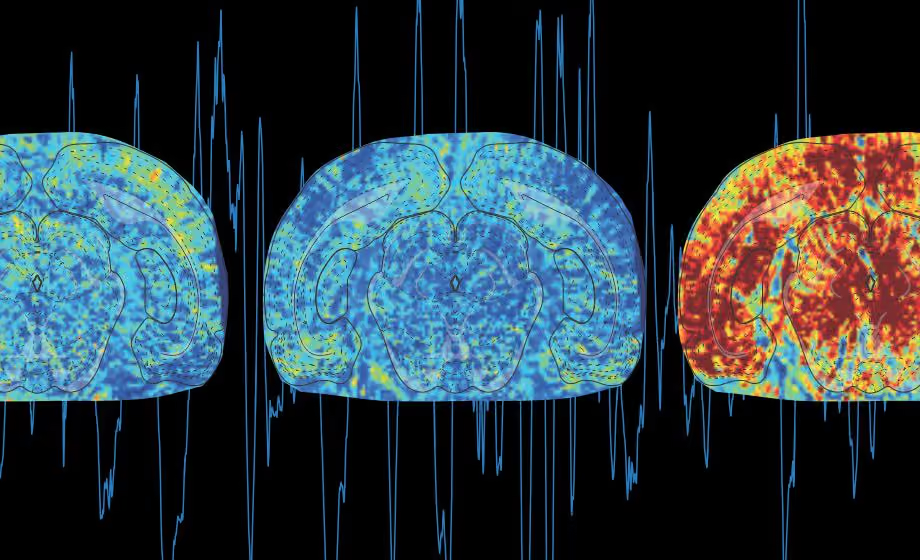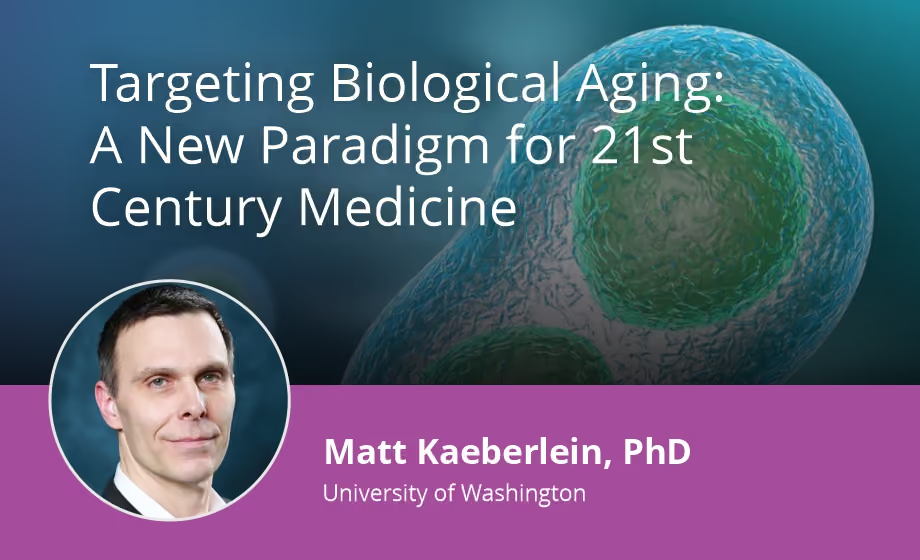
During this webinar, Dr. Matt Kaeberlein provides an overview of translational geroscience, which he believes will become the paradigm for the practice of medicine in the 21st century. He also discusses his recent work with one such intervention, the drug rapamycin, and its potential to enhance healthspan in companion dogs and people.
Biological age is the greatest risk factor for nearly every major cause of death and disability, including COVID-19. Yet, traditional biomedical research and clinical approaches have generally focused on waiting until people are sick and treating individual diseases one at a time. Attempts to cure age-related diseases have proven unsuccessful, and the impact of "disease-first" approaches continue to be incremental. Recent advances in understanding them mechanisms linking biological aging to disease, or geroscience, have identified interventions that directly target the molecular hallmarks of aging. Unlike disease-specific approaches, such interventions have the potential to prevent multiple diseases of aging simultaneously, thereby greatly enhancing healthspan and lifespan for most individuals.
Featuring Insights from

Matt Kaeberlein
PhD
Dr. Matt Kaeberlein is a Professor of Laboratory Medicine and Pathology at the University of Washington School of Medicine. Dr. Kaeberlein’s research interests are focused on biological mechanisms of aging in order to facilitate translational interventions that promote healthspan and improve quality of life.
In Partnership with
American Physiological Society
Founded in 1887, the American Physiological Society is a global leader in expanding knowledge related to biological function. We connect a multidisciplinary community of nearly 10,000 scientists and educators from around the world, driving collaboration and spotlighting scientific discoveries in physiology and related disciplines. Our members are advancing treatments and cures for everything from cancer and heart disease, to obesity and addiction. They are also deepening our insight into living organisms generally, helping us to better understand how things like climate change are affecting the world around us.