The American Physiological Society (APS), ADInstruments, and InsideScientific are pleased to announce a 1-hour Translational Science Panel featuring three incredible researchers from all over the world.
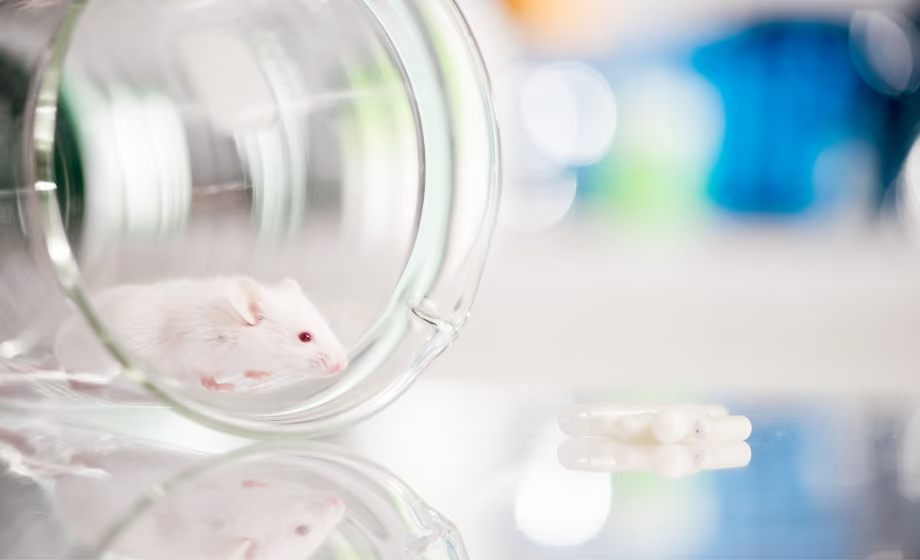
This program includes presentations, panel discussions, and live Q&A sessions that address important topics for researchers who are looking to progress their pre-clinical research models into the translational and clinical sectors.
Featuring Insights from
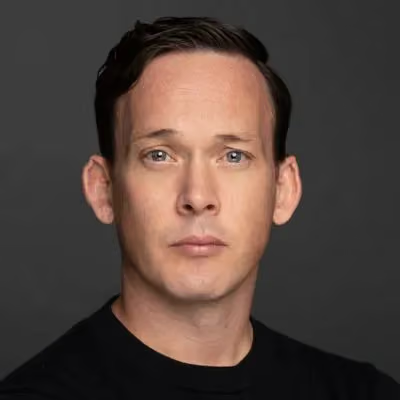
Aaron Phillips
PhD
Dr. Aaron Phillips was trained in biosciences and mathematics. His appreciation of the elegant interactions between the nervous and cardiovascular systems, and how these interactions are disrupted in clinical conditions, has driven his research into the development of novel therapeutics for people with neurological health issues.
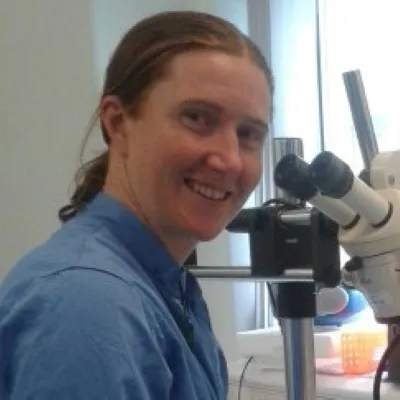
Fiona McBryde
PhD
Dr. Fiona McBryde is an integrative cardiovascular physiologist, with a particular focus in the relationships between autonomic activity, blood pressure and organ blood flow. Her recent research interests include static and dynamic pressure-flow relationships in the brain in hypertension and stroke, and the regulation of venous tone and compliance.

Kevin O'Gallagher
BA (Hons), MBBS, PhD
Dr. Kevin O'Gallagher is a cardiologist and clinical researcher, having undergone medical training at the University of Oxford and Imperial College London. He has recently completed a PhD in Cardiovascular Medicine on the subject of nitric oxide signaling in the cardiovascular system.
Sponsored by

ADInstruments
In Partnership with
American Physiological Society
Founded in 1887, the American Physiological Society is a global leader in expanding knowledge related to biological function. We connect a multidisciplinary community of nearly 10,000 scientists and educators from around the world, driving collaboration and spotlighting scientific discoveries in physiology and related disciplines. Our members are advancing treatments and cures for everything from cancer and heart disease, to obesity and addiction. They are also deepening our insight into living organisms generally, helping us to better understand how things like climate change are affecting the world around us.