Experts discuss novel cuff electrodes for in vivo peripheral nerve research, including the importance of electrode design, how to select the right cuff, implantation techniques and application results from nerve stimulation and blocking.
Cuff electrodes are used for artificial excitation of, and recording from peripheral nerves. The design and technical properties of these electrodes are highly critical to the success of research and therapeutic approaches: High electrical insulation, sealing closure mechanisms and minimally traumatic material properties are the most important features which the electrodes need to offer. °AirRay research Micro Cuffs offer different solutions addressing these requirements.
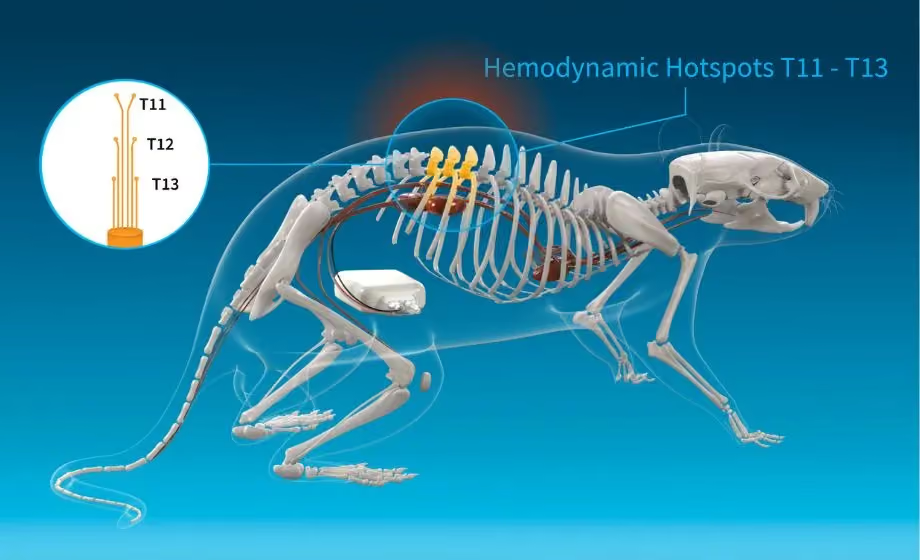
During this webinar, sponsored by CorTec, Dr. Téa Tsaava, Chris Langdale, and Dr. Martin Schüttler discuss the technological background of nerve cuff electrodes, how to select the right cuff design based on your research needs, and best practices for preparing and performing cuff implantation procedures. Dr. Téa Tsaava and Chris Langdale give insight into in vivo experiments conducted with the Micro Cuff Sling and Micro Cuff Tunnel. Case studies include results from neural recording, stimulation and blocking for different applications and detail methodology of the surgical procedure.
Featuring Insights from
Téa Tsaava
PhD
Dr. Téa Tsaava is a Research Scientist at the Center for Biomedical Science and Center for Bioelectronic Medicine at The Feinstein Institute for Medical Research where she studies the neuroscience of immunity. She is a member of a multi-disciplinary team including immunologists, engineers, physicians, and surgeons who study how nerves regulate the immune system. As part of the growing field of bioelectronic medicine, Dr. Tsaava’s research aims to establish the molecular basis of neuro-immune interactions needed to develop new devices to treat disease.
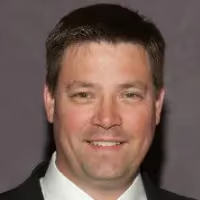
Christopher Langdale
Christopher Langdale is a Senior Research Scientist in the Department of Biomedical Engineering at Duke University. He has been conducting innovative translational research in urological disorders for the past 14 years. Chris has extensive experience evaluating both drug and neural stimulation related paradigms in acute and chronic models of urological disease involving complex surgical procedures including telemetry, spinal cord injury, and decerebration.

Martin Schüttler
PhD
Martin Schüttler studied electrical engineering at the University of Braunschweig. His dissertation discussed nerve intersections processed using microsystems engineering. Since the completion of his PhD in 2002, and with more than 150 publications, he has earned an international reputation in the field of neuroprosthetics. After several research periods abroad, he became team leader at the Department of Microsystems Engineering, chaired by Prof. Dr. Thomas Stieglitz, and one of the leading scientists at the BMII in Freiburg. In this role, he was involved in the development of the CorTec technology right from the start.
Sponsored by