An in-depth exploration of ventricular pressure-volume catheter calibration parameters, considerations for experimental design and their effects on your pressure-volume data.
Cardiovascular researchers interested in acquiring baseline and load-independent ventricular pressure-volume data face a multitude of questions regarding technology, calibration and experimental design. Focusing on results and keeping the end in mind is often where the best answers lie.
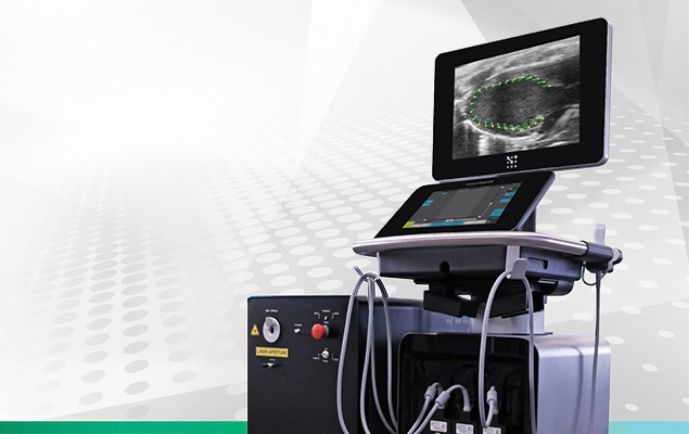
In this webinar sponsored by ADInstruments, Dr. Dimitrios "Jim" Georgakopoulos — an expert in the theory, history and application of ventricular pressure-volume science — discusses conductance-based pressure-volume technology, the theory and importance behind resistivity and parallel volume calibration factors, how experimental conditions can (and should) influence your approach and the significance of proper calibration in acquiring quality results.
Featuring Insights from

Dimitrios “Jim” Georgakopoulos
PhD
Dr. Georgakopoulos started his PV loop research in 1994 alongside David Kass. Over the next 10 years together they worked on many “firsts” relating to PV Loop science, including development of the first systems and methodologies for obtaining PV loops in the mouse.
Sponsored by

























.avif)