Webinar Summary
- Understand the Importance of Normothermia: Participants will learn why maintaining normothermia is critical during rodent anesthesia, including the physiological impacts of hypothermia and hyperthermia on lab rodents.
- Evaluate Different Warming Devices: Attendees will be able to compare the efficacy of various warming devices used in laboratory settings, understanding the strengths and limitations of each method.
- Implement Effective Thermoregulatory Strategies: Participants will gain practical knowledge on how to effectively implement different thermoregulatory strategies during rodent anesthesia to ensure optimal outcomes.
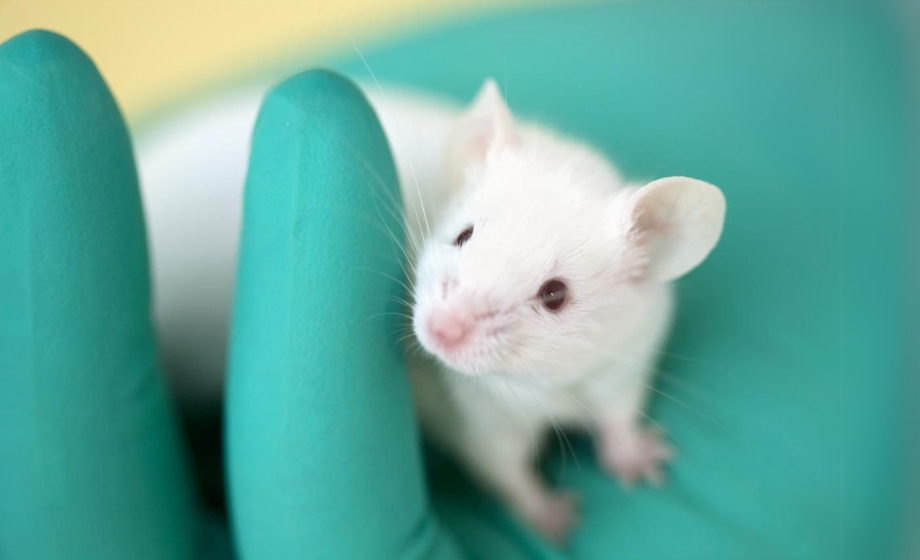
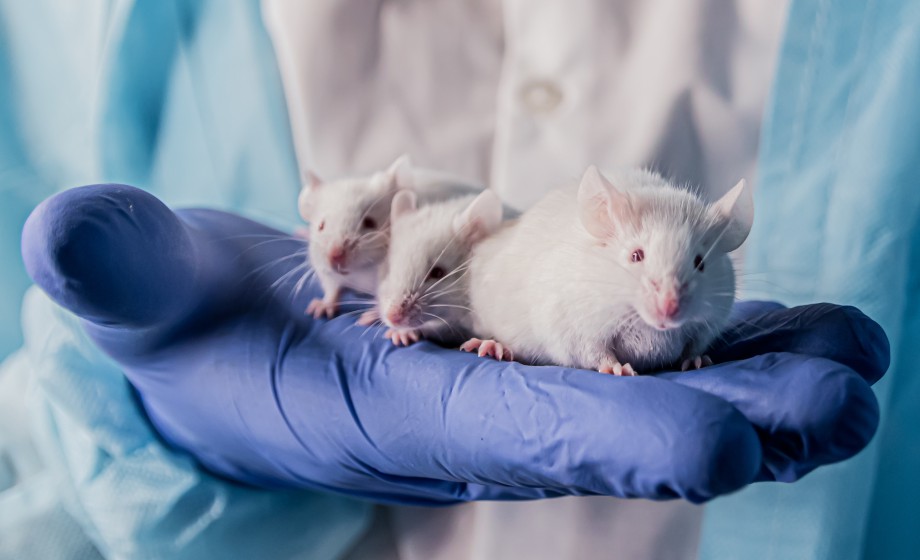
Laboratory rodents are crucial in biomedical research, frequently serving as models for human diseases requiring experimental surgeries. General anesthesia is often administered in preclinical studies for various surgical and experimental procedures wherein appropriate anesthetic protocol is vital for maintaining animal welfare and preserving the integrity of scientific research. However, administering a general anesthetic to rodents that are already outside of thermoneutral conditions exacerbates anesthesia-induced hypothermia, which negatively affects data quality, increases variability, and skews results. Hypothermia begins at the onset of the induction phase during general anesthesia administration and is difficult to reverse once established.
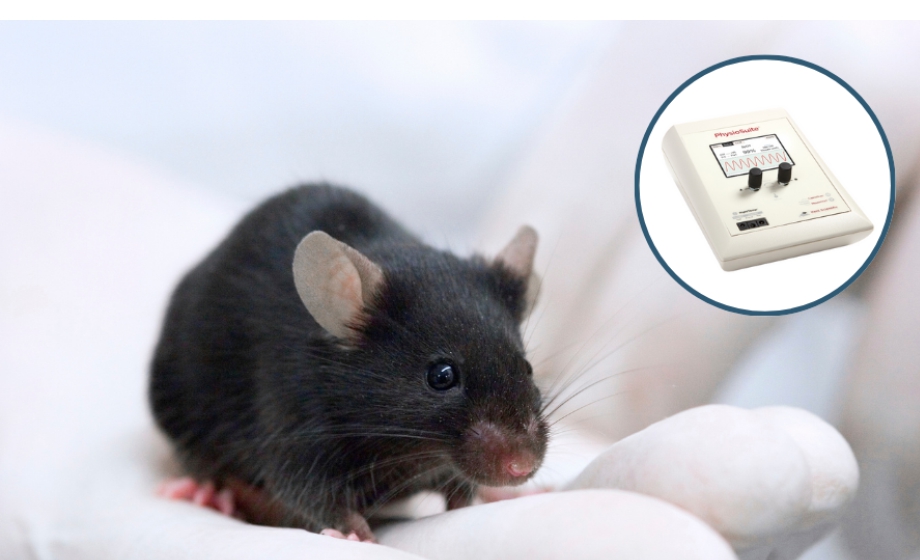
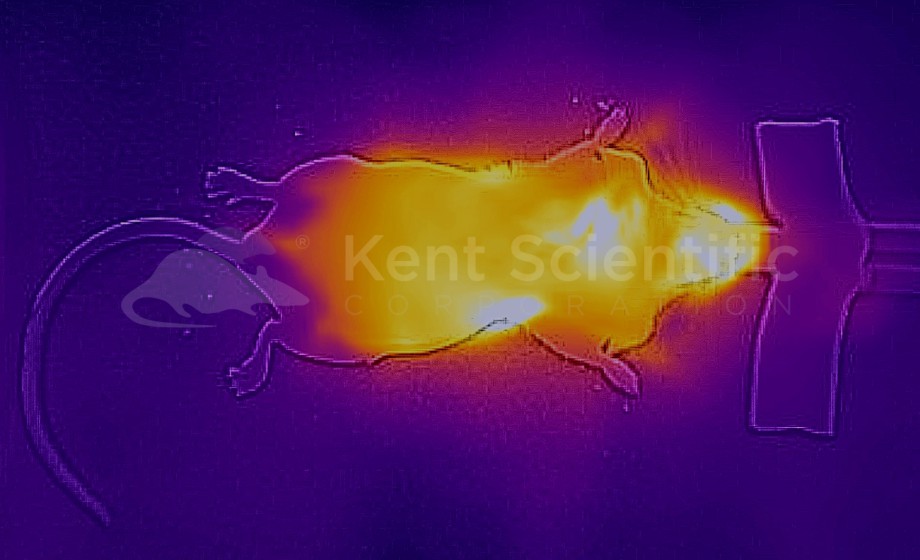
Anesthesia-induced hypothermia can have severe consequences, including altered heart rate and blood pressure, delayed anesthetic recovery, and increased mortality risk during and after procedures. There are several warming devices such as electric heating lamps, FIR pads, microwavable pads, pocket warmers, forced air incubators etc. which intend to prevent or reduce anesthesia-induced hypothermia as well as mitigate its adverse effects during and after surgical or experimental procedures. However, these devices vary in their warming efficacy and suitability for different scenarios.
Thermoregulatory practices such as pre-warming to offset body heat loss under anesthesia is a standard practice in human medicine and has been evaluated in laboratory rodents as well, showing positive effects in maintaining normothermia and preventing hypothermia. Pre-warming practice and active warming based warming devices like forced-air warming systems, far-infrared heating pads, and circulating water heating blankets are more effective in maintaining normothermia compared to conventional passive warming systems. Despite their effectiveness, these methods require careful monitoring to prevent thermal injury or hyperthermia.
Featuring Insights from

Atul Walunj
,
DVM, MVSc, MS
Atul Walunj is a Research Veterinarian specializing in Animal Physiology, currently serving as a Technical Resource Scientist at Kent Scientific. As a first-generation college graduate, his career is marked by veterinary oriented educational background and diverse research experience.
Sponsored by