Webinar Summary
- Advantages of using humanized mouse models to evaluate ADCs
- Applications of humanized mice to evaluate ADCs in autoimmune disease models
- The design and screening of the Linker-Payloads of Bioray's Immune modulating ADC (ImADCTM)
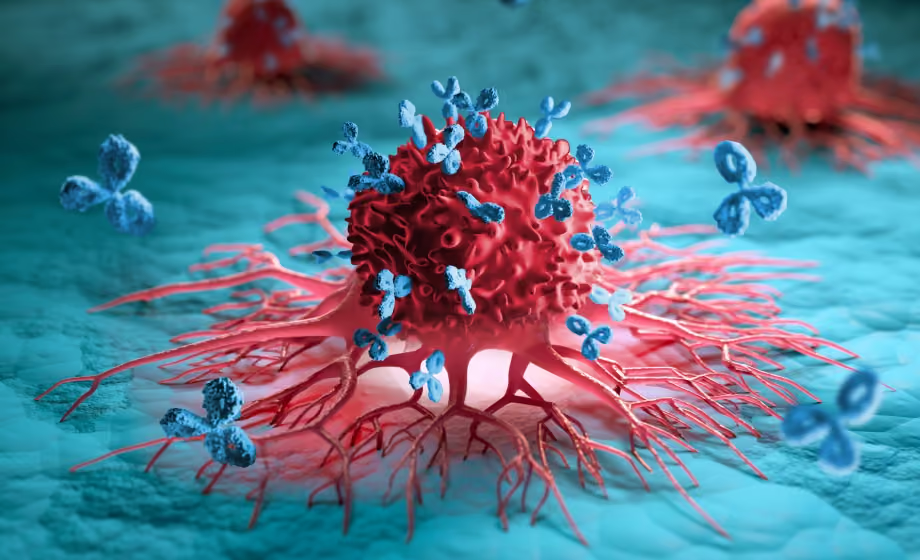
There are currently thirteen FDA-approved Antibody-Drug Conjugates (ADCs) for cancer treatment, and this promising technology is now showing potential in treating autoimmune diseases in humans. However, due to poor cross-species reactivity between therapeutic antibodies and their targets, uncovering the potential of these therapeutics has proven complicated when using conventional mouse models.
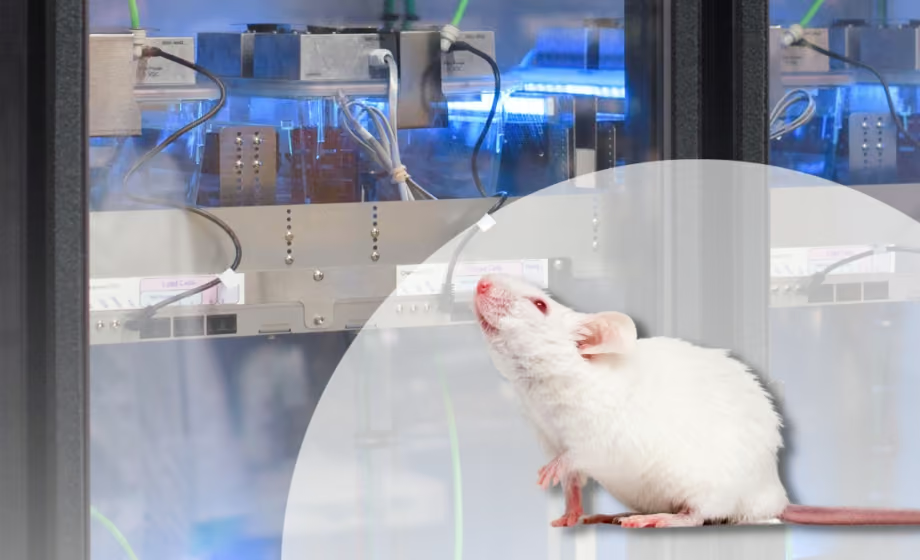
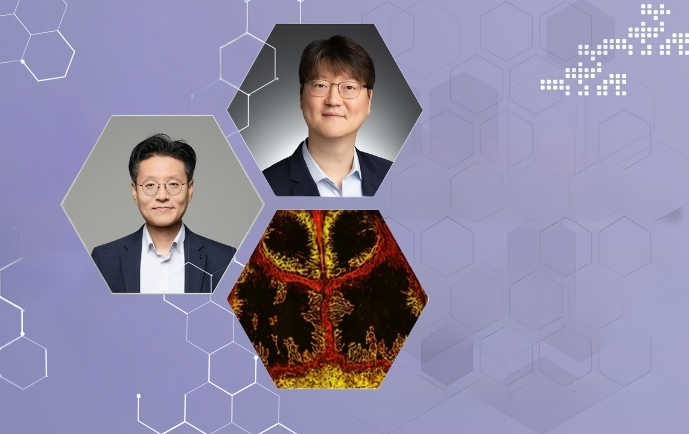
In this webinar, Director of Scientific Engagement at GemPharmatech, Dr. Jun Wang, and President of BioRay Pharmaceutical, Dr. Gang Chen, discuss how humanized mice help overcome the limitations of conventional mouse models and provide insights on how to use these models to evaluate the therapeutic potential of ADCs.
Featuring Insights from

Jun Wang
PhD
Dr. Jun Wang has over 15 years of experience in biomedical research. Prior to joining GemPharmatech, he served as an Associate Director of Research at Explora Biolabs/Charles River. He has extensive experience with genetically engineered mouse models for drug discovery in various therapeutic areas. Dr. Wang holds a Ph.D. in Developmental Neurobiology from the City of Hope and received his postdoctoral training in pediatric brain cancer research from the Sanford Burnham Prebys Medical Discovery Institute.

Gang Chen
PhD
Dr. Gang Chen is the head of Bioray Pharmaceutical and leads a team of scientists developing novel ADCs for cancer and autoimmune diseases. He has over 25 years of experience in the field of antibody engineering and ADC development. Dr. Chen holds a Ph.D. in Biochemistry from the University of Texas at Austin.
Sponsored by
GemPharmatech
In Partnership with

Scientist.com
Scientist.com is the world’s largest and first platform built for the intricacies of scientific outsourcing.
We help pharmaceutical and biotechnology organizations discover, engage, manage, and scale relationships with the providers that support every stage of the pipeline—from discovery and preclinical research to clinical development, manufacturing, medical affairs, and commercialization. Through a centralized platform, organizations can access a global network of 6,000+ providers, streamline sourcing and procurement workflows, maintain compliance, manage supplier relationships, and leverage data-driven insights to make faster, more informed decisions.
Today, Scientist.com supports more than 130 life science organizations, including 24 of the world's top 30 pharmaceutical companies, helping teams reduce operational complexity, accelerate timelines, and bring innovations to patients faster. Our mission is to make it possible to cure all human disease by 2050.















.avif)







.avif)