In this webinar, Bastiaan Bijl, MSc, provides an introduction to single-cell sequencing as well as various methods offered by Single Cell Discoveries, while Dylan Mooijman, PhD, shares some of their applications.
Single Cell Discoveries is a contract research organization (CRO) whose mission is to make single-cell sequencing technologies available to everyone, everywhere. Bastiaan begins this webinar with a brief overview of the company, and explains what single-cell sequencing is using a smoothie analogy, comparing it to traditional bulk RNA sequencing.
"Let's imagine that somebody gives you a smoothie, you have a blindfold on, … and then the person lets you taste the smoothie and asks you if you can figure out the ingredients. … Determining the exact composition of the smoothie, let alone how much of each ingredient was used to create the smoothie, will be very, very difficult, and this is exactly what happens when you do bulk RNA sequencing."
Bulk RNA sequencing provides the average transcriptome profile of up to millions of cells combined, which does not return any information at the individual cell level. In contrast, single-cell sequencing can determine which "ingredients" are in the "smoothie," providing a transcriptome readout of individual cells. Single-cell sequencing can be described by a generic five step process involving creating a single-cell suspension from a tissue sample, isolating cells, barcoding and amplifying cells, library preparation and sequencing, and data analysis.
"The problem with single-cell sequencing is that there are multiple technologies to choose from. … If you were to do it yourself, you [would] need to invest in expensive equipment, but more importantly, in people. … It's not your standard life sciences assay … and the analysis of the data is highly complex."
Single Cell Discoveries provides an end-to-end service for single-cell sequencing, from experimental design to sample processing to data analysis, and offers different types of technology. For example, SORT-seq is a cost-effective, modular, plate-based single-cell transcriptomics platform that is suitable for low cell numbers. VASA-seq, another plate-based platform, can perform full-length, total RNA single-cell sequencing. Single Cell Discoveries also offers 10x Genomics technology, including 3' single cell gene expression and 5' single cell immune profiling solutions. Additionally, bulk RNA sequencing is available as a highly cost-effective solution as the company does not use commercially-available kits. Lastly, Visium is their latest solution for spatial transcriptomics.
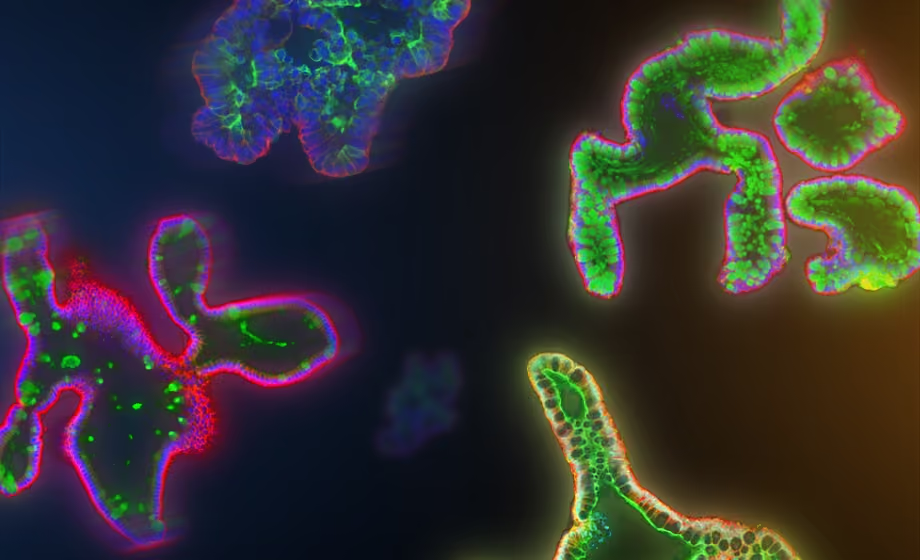
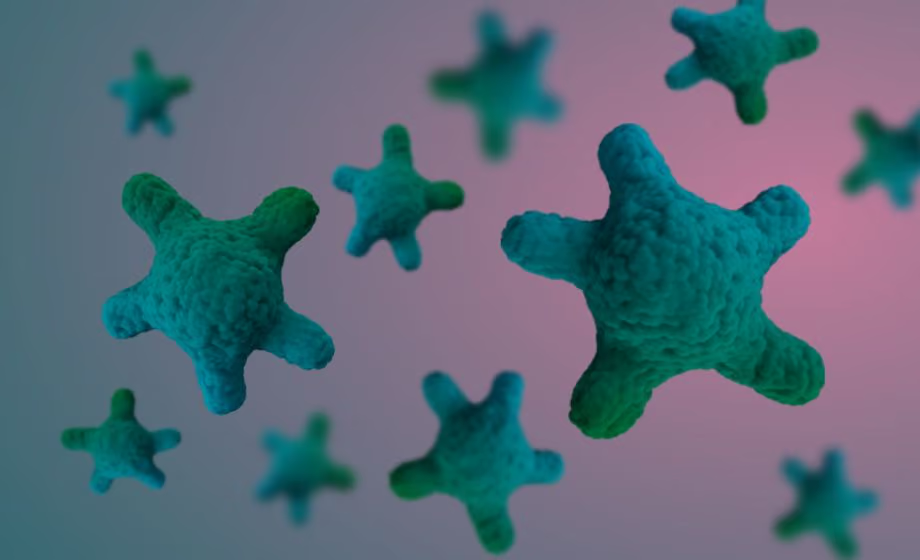
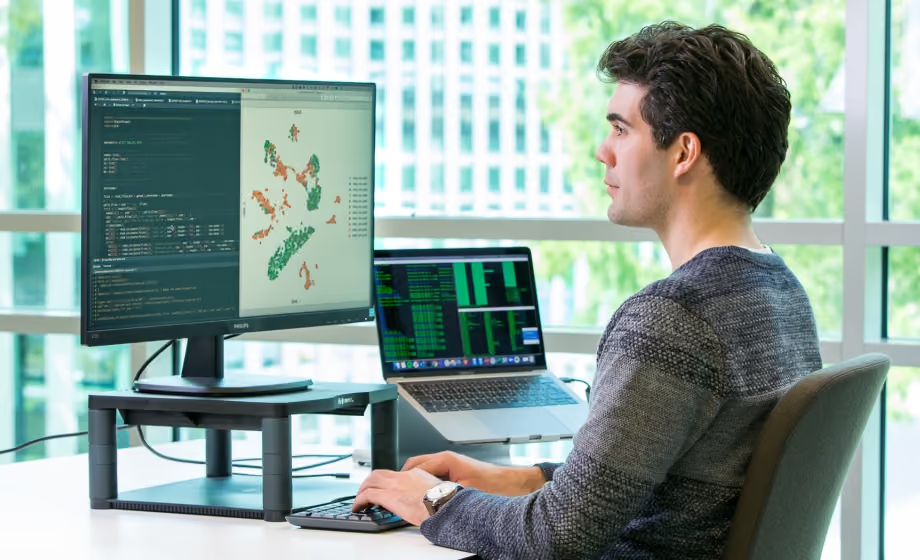
When data are processed and mapped, count tables are generated in which each value represents the relative gene expression of each cell, and advanced algorithms can be used to understand these multidimensional data. Bastiaan shares one example in which researchers employed SORT-seq to determine which cell types were present in snake venom gland organoids. Data were presented in a t-distributed stochastic neighbor embedding (t-SNE) plot in which each dot represented a single cell and were clustered based on their relative gene expressions. Single gene expression profiles can also be overlaid onto the same t-SNE plot, which allowed the researchers to identify which cells produced toxins. Single Cell Discoveries further helps clients by providing them with preliminary data analysis as well as custom analysis when necessary.
"Why would you actually want to work with us? … We are a dedicated CRO for single-cell sequencing, so we do one thing very well, … we have an expert team, we offer cost-effective services, we are small and … agile, we can help you with tailor-made projects. … There are multiple technologies that we can offer you … and we offer extensive bioinformatics support to our clients if necessary."
In the second half of this webinar, Dylan describes what is next in Single Cell Discoveries' portfolio, as well as single-cell sequencing applications. For example, Single Cell Discoveries scientists are working on improving current bulk sequencing methods; they aim to increase throughput and lower costs by using robotics from single cell sequencing platforms and low volume library preparation. Automated nuclei isolation, a standardized method for mechanically isolating nuclei at low temperatures, will benefit tissues that are unsuitable for single-cell sequencing, samples that require immediate storage, and clients who lack single-cell dissociation experience. Lastly, plate-based T-cell/B-cell receptor sequencing will be of interest to immunologists.
"Why would you choose single-cell sequencing in addition to other methods that are out there? … One of the ways to think about it is it's a very high resolution way of looking at gene expression. … Instead of looking at an average profile of gene expression, you can actually understand much more of the individual pieces."
Single-cell sequencing is well-suited for heterogeneous cell populations (e.g., from drug or CRISPR screens, viral infections, or different cell environments) and for poorly characterized cell systems (e.g., novel model systems and whole organs). Dylan describes two case studies, the first of which employed single-cell RNA sequencing to assess drug responses in a heterogeneous hepatitis C-infected cell culture model. In the second study, researchers aimed to understand human cornea cell type diversity to facilitate the identification of therapies for blindness; high-throughput 10x Genomics single-cell RNA sequencing allowed for unbiased cell type mapping. The presenters conclude this webinar with a Q&A discussion that further delved into these technologies.
Webinar Highlights
- Overview of Single Cell Discoveries and the services offered
- Single-cell versus bulk RNA sequencing
- Methods for analyzing single-cell sequencing data
- Upcoming additions to Single Cell Discovery's research and development portfolio
- Applications for single-cell sequencing
Featuring Insights from
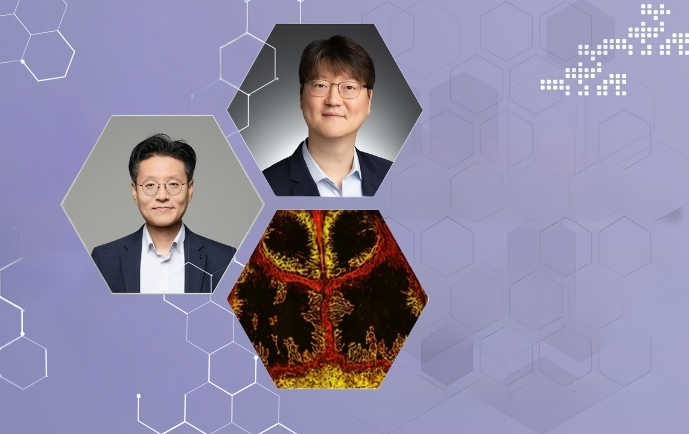
Bastiaan Bijl
MSc
Bastiaan works as the Head of Business Development at Single Cell Discoveries. He obtained a BSc in Biomedical Sciences and an MSc in Science & Business management. His biomedical background allows him to have an in-depth understanding of single-cell sequencing, and to advise each scientist on their project.
Dylan Mooijman
PhD
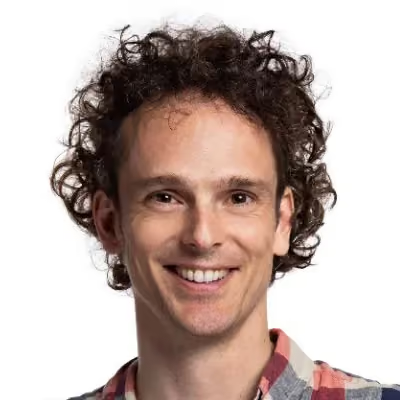
Dylan is responsible for developing new technologies and improving methods at Single Cell Discoveries. Before coming to SCD, Dylan was apostdoc and HFSP fellow at EMBL Heidelberg (Ephrussi lab) and prior to that a PhD student in the van Oudenaarden lab (Hubrecht Institute).
Sponsored by
Single Cell Discoveries
In Partnership with
Scientist.com
Scientist.com is the world’s largest and first platform built for the intricacies of scientific outsourcing.
We help pharmaceutical and biotechnology organizations discover, engage, manage, and scale relationships with the providers that support every stage of the pipeline—from discovery and preclinical research to clinical development, manufacturing, medical affairs, and commercialization. Through a centralized platform, organizations can access a global network of 6,000+ providers, streamline sourcing and procurement workflows, maintain compliance, manage supplier relationships, and leverage data-driven insights to make faster, more informed decisions.
Today, Scientist.com supports more than 130 life science organizations, including 24 of the world's top 30 pharmaceutical companies, helping teams reduce operational complexity, accelerate timelines, and bring innovations to patients faster. Our mission is to make it possible to cure all human disease by 2050.