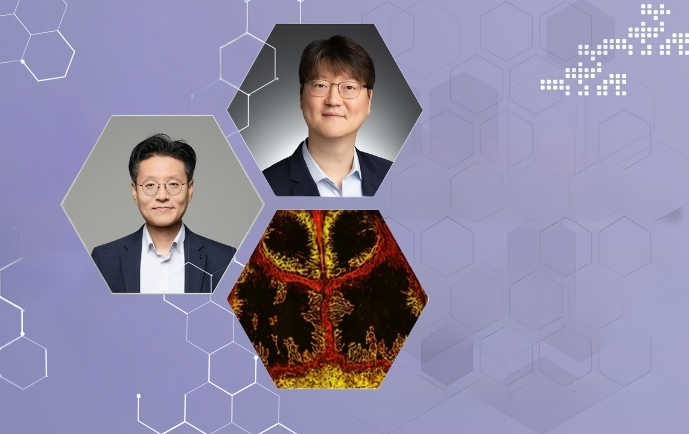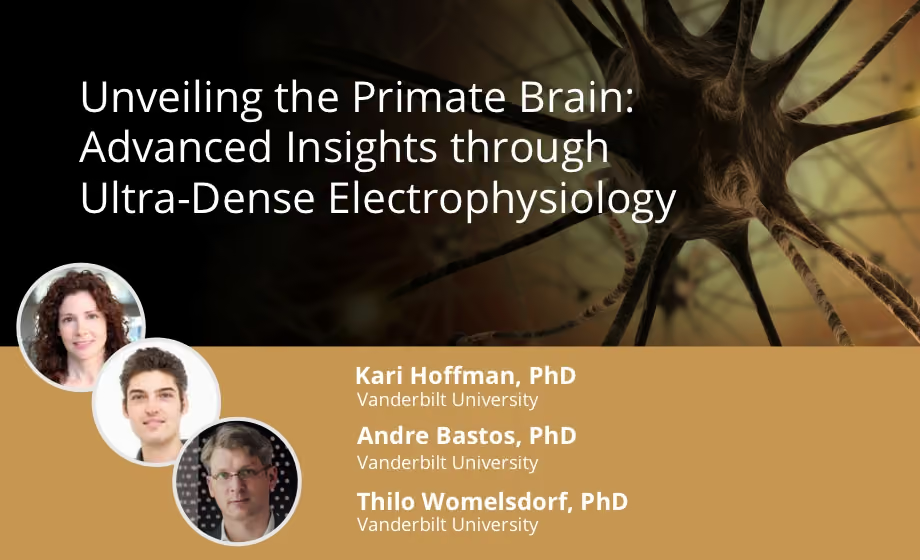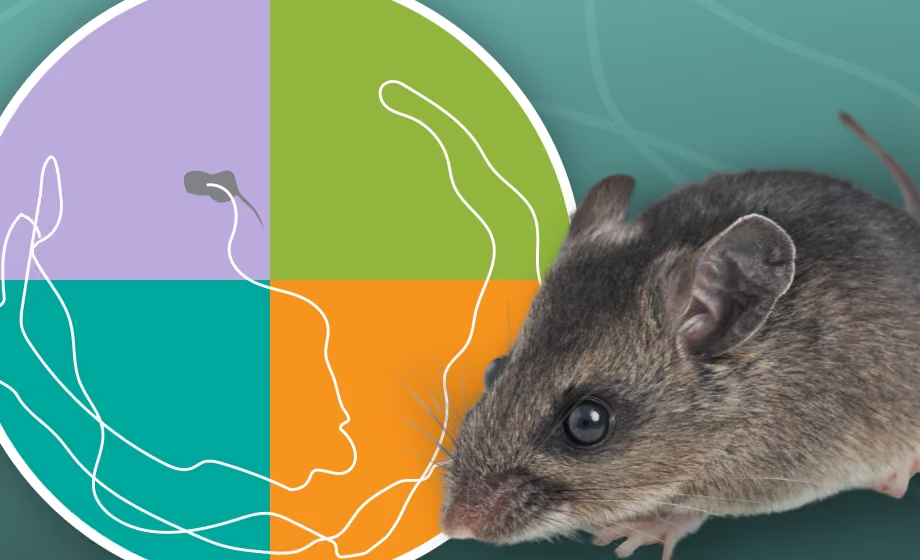
Carl Petersen and Alexei Verkhratsky share their research on homeostatic neuroglia and imaging of neuronal network function. This webinar is brought to you by APS' new journal, Function, and part of their Physiology in Focus learning series.
During this exclusive live webinar, Carl Petersen and Alexei Verkhratsky discuss astrocyte-mediated homeostatic control of the central nervous system, and how optical and 2-photon microscopy can be used for functional neuroimaging.
Imaging Neuronal FunctionCarl Petersen, PhD
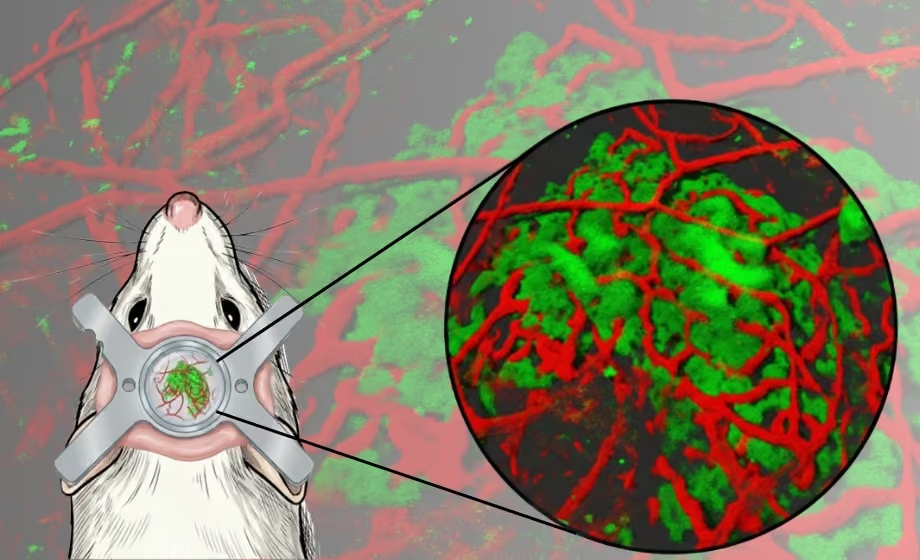
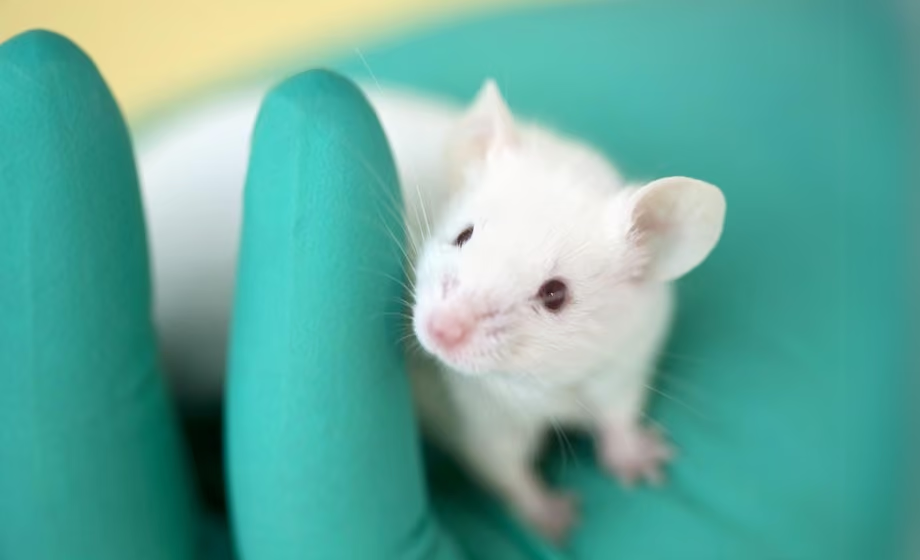
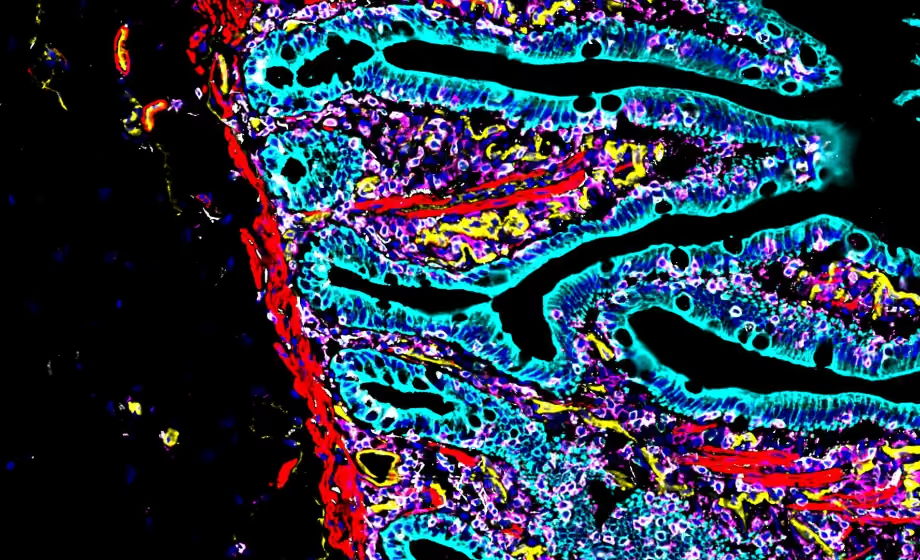
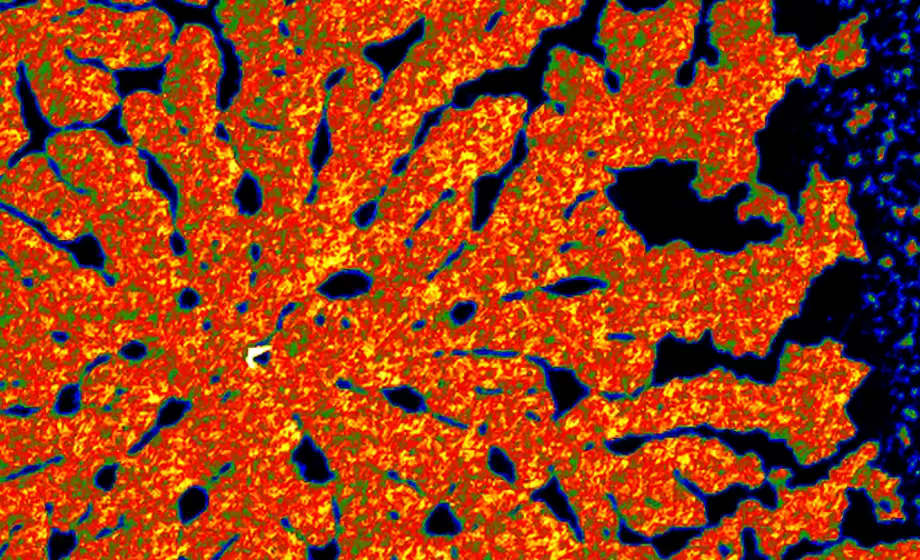
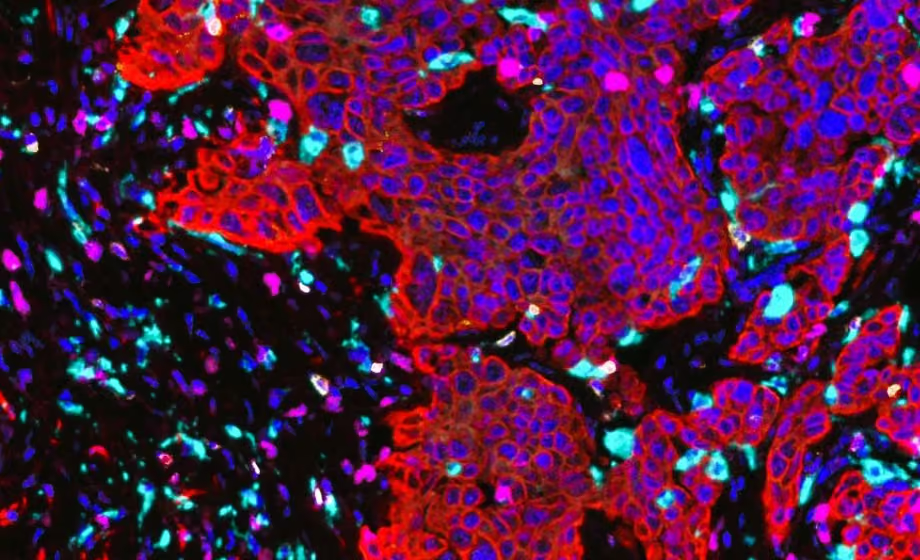
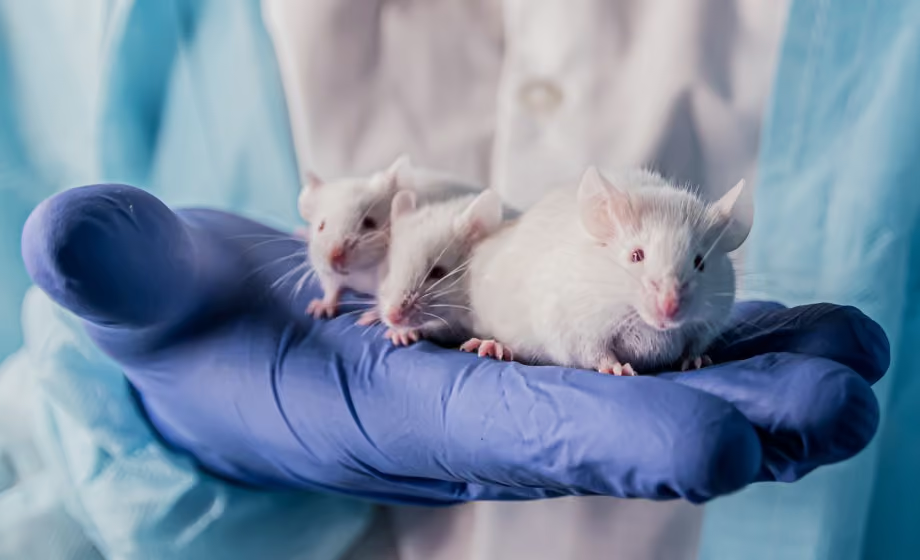
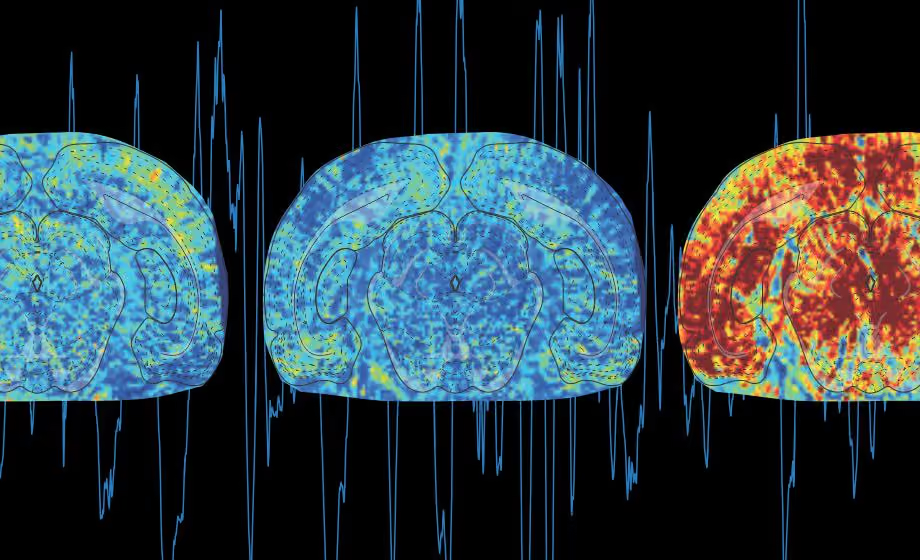
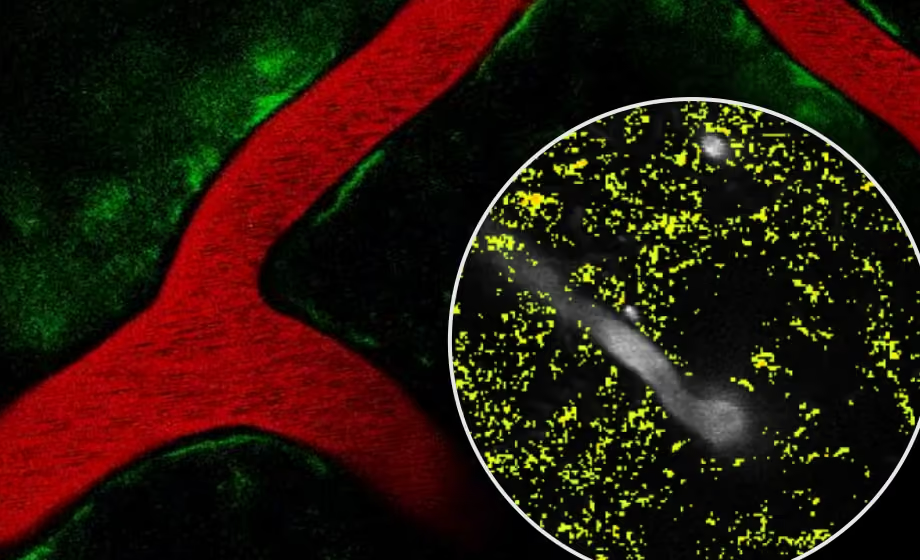
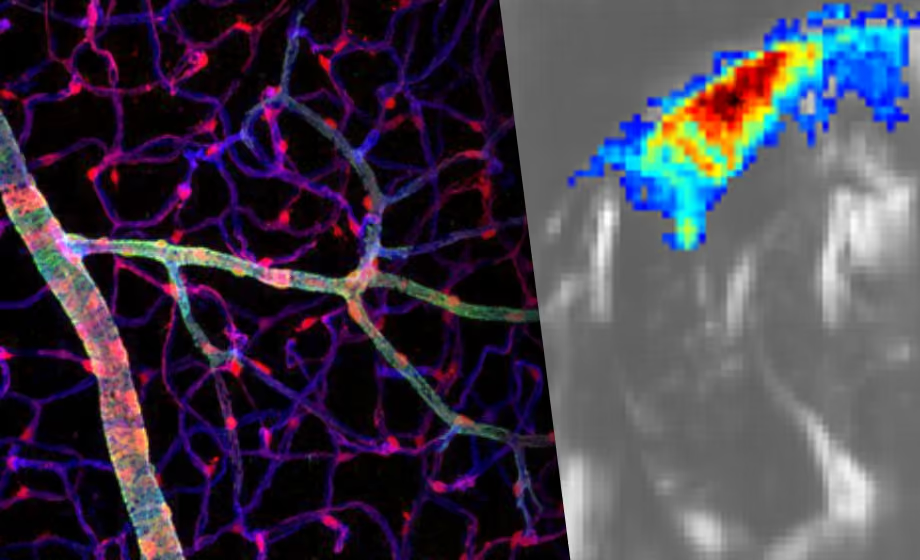
Highly dynamic and spatially distributed neuronal circuits in the brain control mammalian behavior. Through technological advances, optical measurements of neuronal function can now be carried out in behaving mice at multiple scales. Wide-field imaging allows the dynamic interactions between different brain areas to be studied as sensory information is processed and transformed into behavioral output. Within a brain region, two-photon microscopy can be used to image the neuronal network activity with cellular resolution allowing different types of projection neurons to be distinguished. Together optical methods provide versatile tools for causal mechanistic understanding of neuronal network function in mice.
Astrocytes: indispensable neuronal supporters in sickness and in healthAlexei Verkhratsky, MD, PhD, DSc
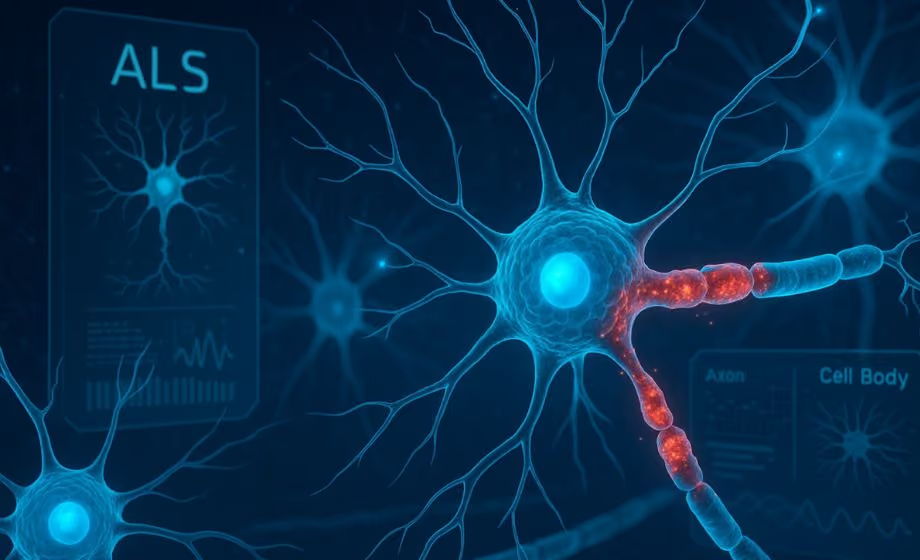
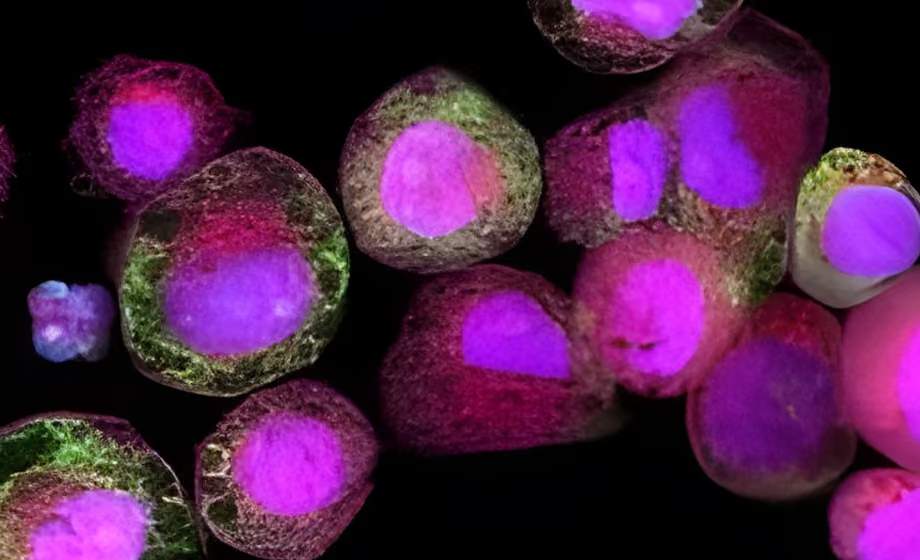
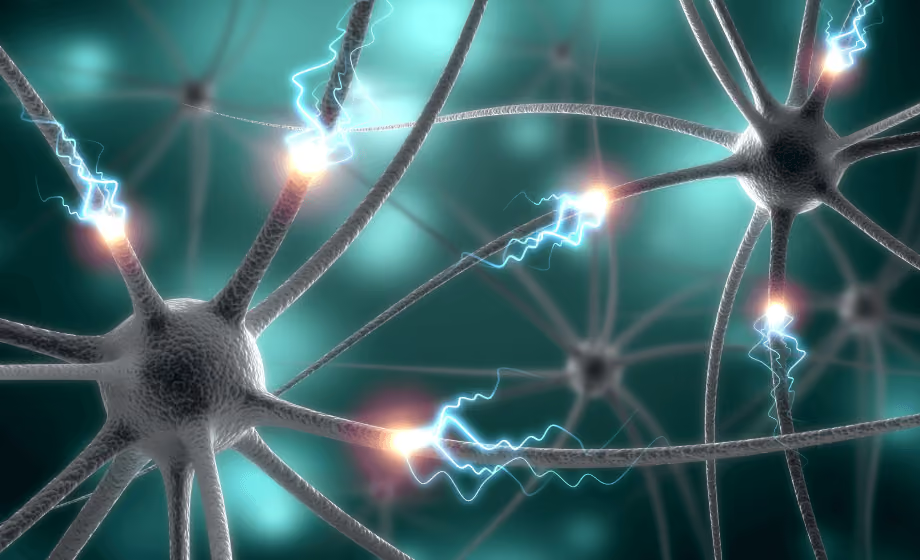
The nervous system is composed of two arms: the executive neurons and the homeostatic neuroglia. The neurons require energy, support, and protection, all of which is provided by the neuroglia. Astrocytes, the principal homeostatic cells of the brain and spinal cord, are tightly integrated into the neural networks and act within the context of the neural tissue. As astrocytes control the homeostasis of the central nervous system at all levels of organization, from the molecular to the whole organ level, we can begin to define and understand brain vulnerabilities to aging and diseases.
Featuring Insights from

Carl Petersen
PhD
Carl Petersen studied physics as a bachelor student in Oxford (1989-1992). During his PhD studies under the supervision of Prof. Sir Michael Berridge in Cambridge (1992-1996), he investigated cellular and molecular mechanisms of calcium signalling. In his first postdoctoral period (1996-1998), he joined the laboratory of Prof. Roger Nicoll at the University of California San Francisco (UCSF) to investigate synaptic transmission and plasticity in the hippocampus. During a second postdoctoral period, in the laboratory of Prof. Bert Sakmann at the Max Planck Institute for Medical Research in Heidelberg (1999-2003), he began working on the primary somatosensory barrel cortex, investigating cortical circuits and sensory processing. Carl Petersen joined the Brain Mind Institute of the Faculty of Life Sciences at the Ecole Polytechnique Federale de Lausanne (EPFL) in 2003, setting up the Laboratory of Sensory Processing to investigate the functional operation of neuronal circuits in awake mice during quantified behavior. In 2019, Carl Petersen became the Director of the EPFL Brain Mind Institute, with the goal to promote quantitative multidisciplinary research into neural structure, function, dysfunction, computation and therapy through technological advances. Since 2015, he has been a Member of the Academia Europaea.
Alexei Verkhratsky
MD, PhD, DSc
Alexei Verkhratsky, MD, PhD, DSc, is Professor of Neurophysiology in the Faculty of Life Sciences at the University of Manchester (United Kingdom). He is an internationally recognized scholar in the field of cellular neurophysiology and is best known for his contributions to the physiology and pathophysiology of neuroglia. Recently, Alexei Verkhratsky authored a pioneering hypothesis of astroglial atrophy and loss of function as a general mechanism defining cognitive aging and vulnerability to neurodegenerative and psychiatric diseases. In a series of highly cited conceptual papers and textbooks, he outlined the basic principles of glial physiology and pathophysiology, which have significantly influenced this rapidly developing area of neuroscience. He is a member of several European academies, including the Academia Europaea and the German National Academy of Sciences Leopoldina.
In Partnership with

Function
From organelles to organisms, Function seeks papers that contribute to defining the mechanistic basis of living systems in health and disease. Function aims to be a highly selective journal, publishing major advances that extend physiological understanding of biological function and the changes associated with disease states.
Function provides a high caliber and broad spectrum open-access platform for researchers to publish their major advances in basic, translational, and clinical sciences. We value your science and want it shared with the global community. We are committed to providing authors a final decision after the initial review, even if some revisions are requested. While additional experiments may be requested by the reviewers, the final outcome of the experiments will not impact the acceptance of the article.
Function publishes original full research articles, but also short Focus articles that report an important new observation, based on solid evidence, but without the full exploration required for a full paper. All full research articles will be accompanied by a perspective article, written by an acknowledged expert in the field. A new type of Evidence Review article, quoting only original papers, will be commissioned from leading experts, but suggestions for such articles are welcome. All scientific content published in the journal goes through a comprehensive, quick, and fair review process overseen by experts in the field, but in addition Function will also publish editorials and opinion pieces.
American Physiological Society
Founded in 1887, the American Physiological Society is a global leader in expanding knowledge related to biological function. We connect a multidisciplinary community of nearly 10,000 scientists and educators from around the world, driving collaboration and spotlighting scientific discoveries in physiology and related disciplines. Our members are advancing treatments and cures for everything from cancer and heart disease, to obesity and addiction. They are also deepening our insight into living organisms generally, helping us to better understand how things like climate change are affecting the world around us.