In this webinar, Professor Jason Gardner details the rise in vaping usage among youth and young adults, highlights knowledge gaps in cardiovascular responses to vaping, and presents evidence suggesting chronically inhaled nicotine causes pulmonary hypertension and right heart remodeling.
Cigarette smoking has long been identified as an independent risk factor for cardiovascular disease development. Heat-not-burn (i.e., vaping) devices have recently risen in popularity, particularly among youth and young adults, as they are thought to be safer alternatives to traditional cigarette consumption and are often used as smoking cessation aids. In this webinar, Professor Gardner emphasizes that while tobacco vaping devices theoretically reduce toxicity compared to traditional cigarette consumption, their cardiovascular effects are poorly characterized and understood.
"A lot of never-smokers … use these heat-not-burn devices … and a lot of users … will use these devices and also smoke cigarettes. … We definitely need to learn a lot more about the cardiovascular effects of these products."
Professor Garner notes that acute inhalation and transdermal consumption of nicotine have been shown to cause transient increases in blood pressure and heart rate. Chronic nicotine exposure studies primarily use injection or minipump delivery while few have utilized chronic nicotine inhalation models. The Gardner research group therefore investigated the cardiovascular effects of chronic nicotine inhalation in a mouse model, the findings of which are detailed during this presentation.
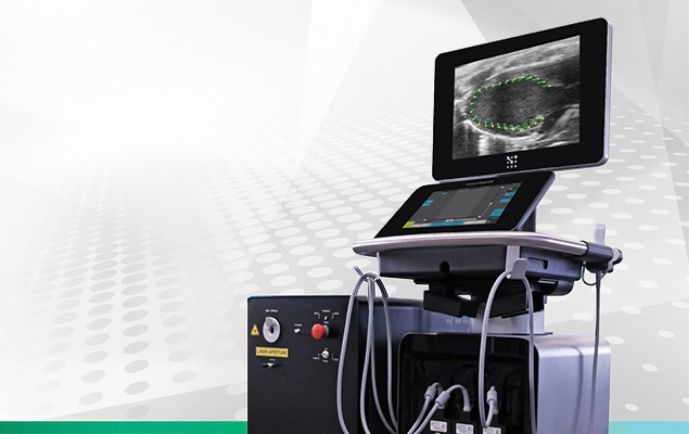
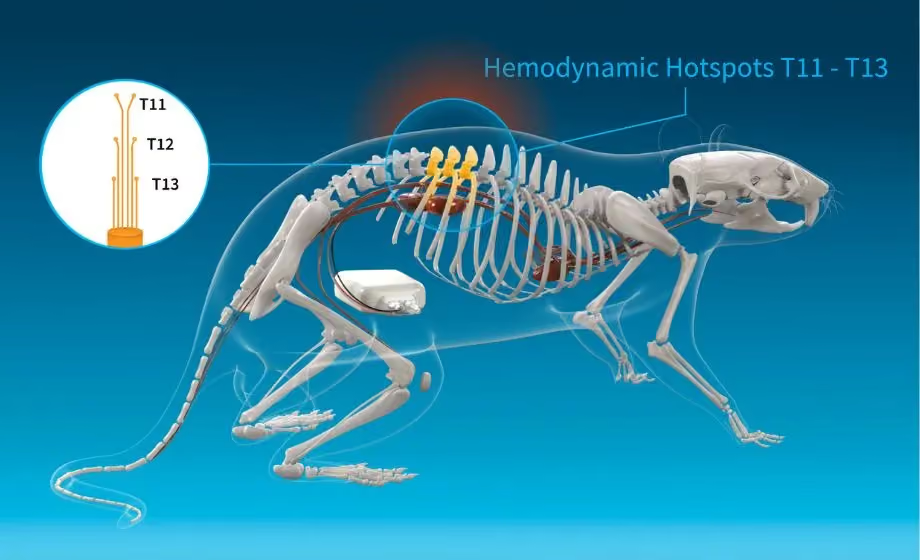
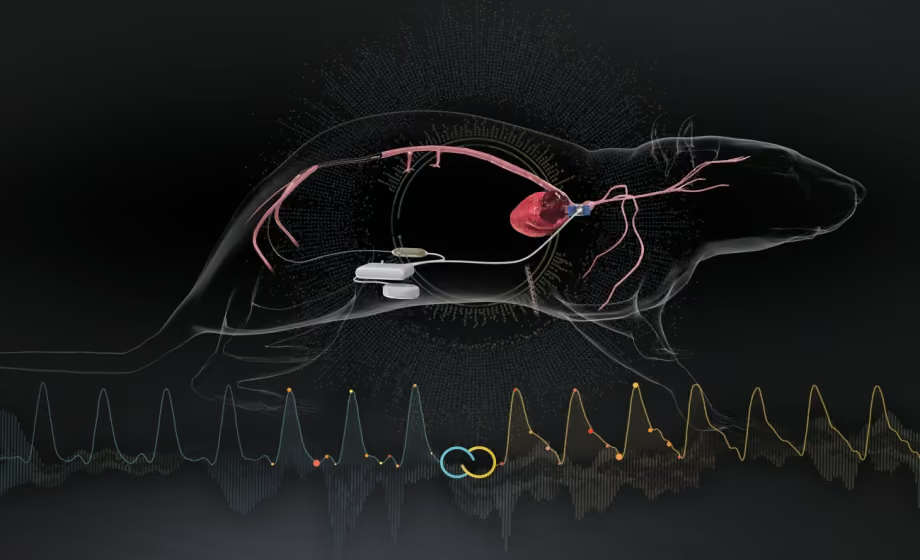
In the first study presented by Professor Gardner, male mice were exposed to a nicotine-air mixture in their home cage for 12 hours daily during their active phases for 8 weeks. Negative control mice were exposed to air while a positive control group received angiotensin II (AngII) via infusion using Alzet mini osmotic pumps to induce hypertension. Blood pressure and heart rate were monitored by telemetry, while left ventricle (LV) and right ventricle (RV) size and function were assessed by ultrasound echocardiography. After the 8-week period, right ventricular systolic pressures (RVSPs) were monitored as an indicator of pulmonary artery pressure.
RV hypertrophy in nicotine-exposed mice was indicated by significant RV free wall thickening (RVFWT) and Fulton index increases; some of these mice also experienced RV internal diameter (RVID) enlargement. However, no significant changes were observed in LV structure and function in these mice. Additionally, proteins associated with renin-angiotensin system (RAS) activation were found to be elevated in the RVs of nicotine-exposed mice, but not in the LVs. The RAS plays a key role in fluid, electrolyte, and blood pressure regulation, and its dysregulation is associated with many disease states, including cigarette smoking-induced pulmonary hypertension. Angiotensin II receptor type 1 (AT1R) antagonism and angiotensin-converting enzyme (ACE) inhibition have also been found to reduce mortality in a clinical study.
"Right away, we're seeing a kind of clinical link between pulmonary hypertension and this renin-angiotensin system."
The next study detailed by Professor Gardner examined if angiotensin receptor signaling inhibition could prevent RVSP elevation and RV remodeling caused by chronically inhaled nicotine. Herein, the Gardner group employed the same experimental setup as previously described, but used Alzet mini osmotic pumps to deliver losartan, an AT1R blocker, to a group of nicotine-exposed mice rather than AngII. Pump delivery of losartan allowed for continuous, consistent drug dosing, thus avoiding transient concentration changes that would have been observed following drug injection. Losartan had no effect on RVSP, RVFWT, or RVID in control mice, but did completely prevent RVSP elevation and RV hypertrophy in nicotine-exposed mice.
"Blocking the angiotensin II signaling has definitely been protective against the adverse effects of nicotine on the right heart."
Functional α7-nicotinic acetylcholine receptors (nAchRs) are expressed on smooth muscle and endothelial cells, fibroblasts, and cardiomyocytes, and have been shown to regulate cancer cell proliferation and ACE2 expression. The final study presented by Professor Gardner thus investigated if α7-nAchR knockout (KO) mice were resistant to the effects of chronically inhaled nicotine using the same experimental setup as the previous two studies. Significant increases in RVSP and Fulton index were observed in wild type mice but not in α7-nAchR KO mice, indicating that pulmonary hypertension and RV remodeling responses to chronic nicotine inhalation are indeed mediated by α7-nAchR. Professor Gardner hopes to publish these data in the near future.
Webinar Highlights
- Cigarette consumption vs. vaping device usage over the years
- Cardiac effects of chronic nicotine exposure in mice
- Role of angiotensin signaling in cardiac responses to chronic nicotine exposure
- Receptors that mediate the cardiac effects of chronic nicotine exposure
Featuring Insights from

Jason Gardner
PhD
Jason Gardner, PhD, is a Professor of Physiology at Louisiana State University Health Sciences Center in New Orleans, Louisiana, USA. His active research projects include: the cardiac effects of chronic, inhaled nicotine, prenatal alcohol exposure, and cardiac dysfunction, and the mechanisms of alcoholic cardiomyopathy.
Sponsored by

ALZET
In Partnership with

American Physiological Society
Founded in 1887, the American Physiological Society is a global leader in expanding knowledge related to biological function. We connect a multidisciplinary community of nearly 10,000 scientists and educators from around the world, driving collaboration and spotlighting scientific discoveries in physiology and related disciplines. Our members are advancing treatments and cures for everything from cancer and heart disease, to obesity and addiction. They are also deepening our insight into living organisms generally, helping us to better understand how things like climate change are affecting the world around us.