Drug discovery for pulmonary fibrosis and pain continues to face major translational challenges. In pulmonary fibrosis, more than a decade has passed between the approval of pirfenidone/nintedanib and the next novel-mechanism antifibrotic, reflecting compounding gaps: trial designs not yet stratified by patient heterogeneity, reliance on a single nonclinical model that does not fully extrapolate to established, chronic disease, and nonclinical endpoints that remain difficult to map onto clinical readouts. In pain, diverse biological mechanisms—ranging from peripheral nerve injury to altered central pain processing—make selecting appropriate, disease-relevant preclinical models essential for evaluating novel therapeutic approaches.
In this webinar, we will introduce validated evaluation systems tailored to each compound's mechanism and discuss how integrating multiple, complementary approaches strengthens confidence in translational decision-making and supports better go/no-go decisions.
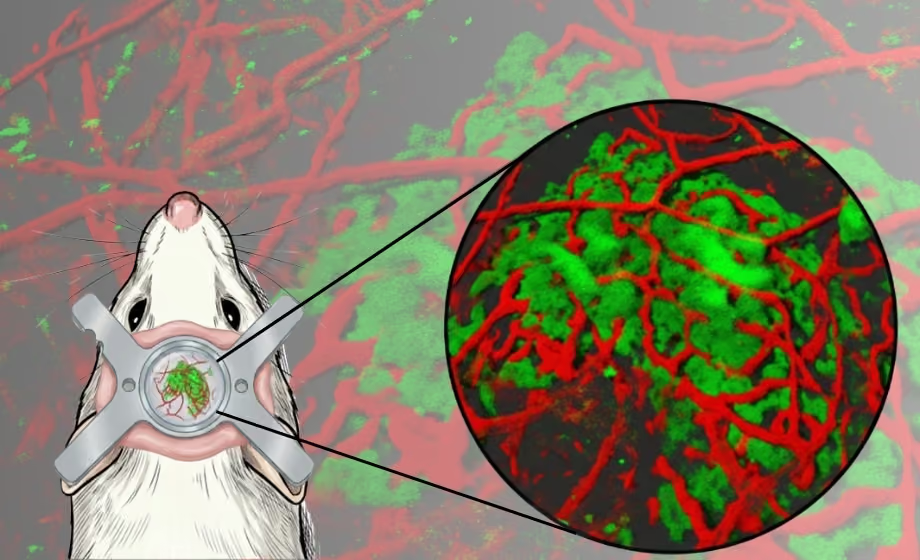
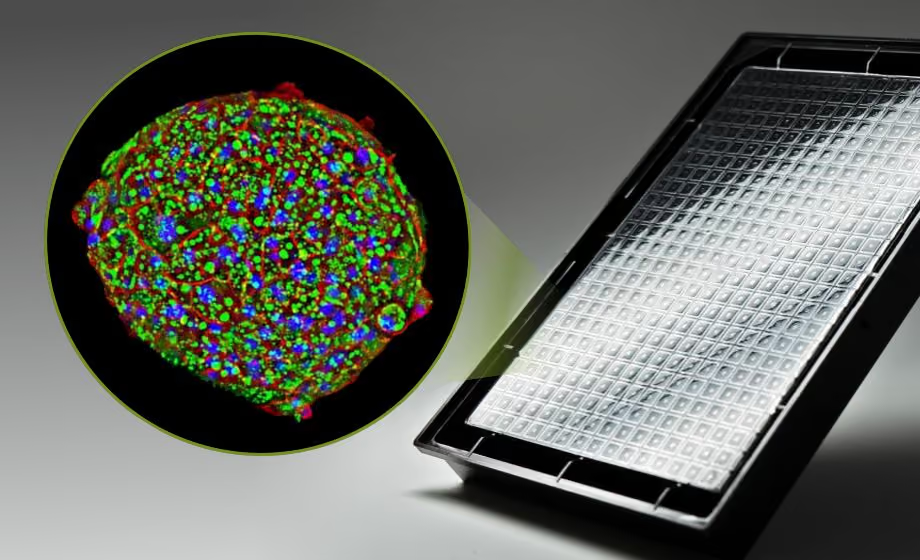
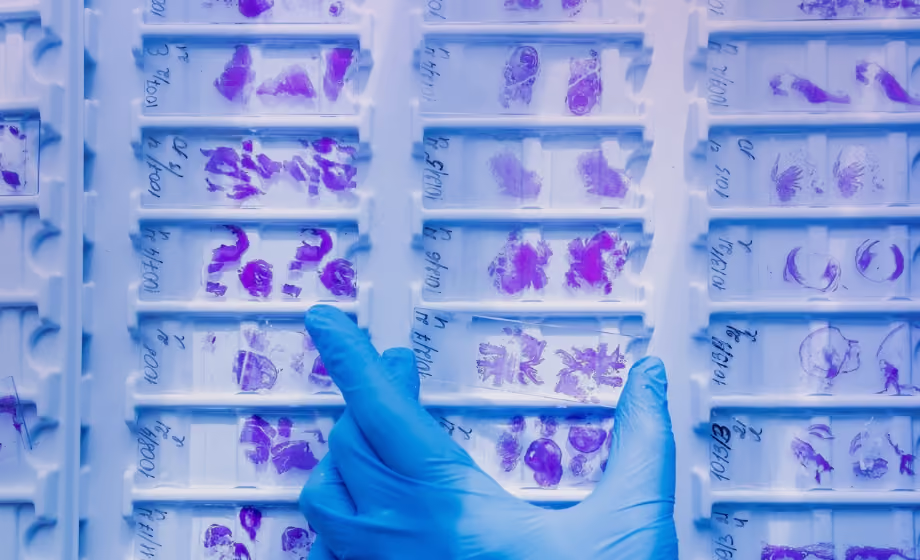
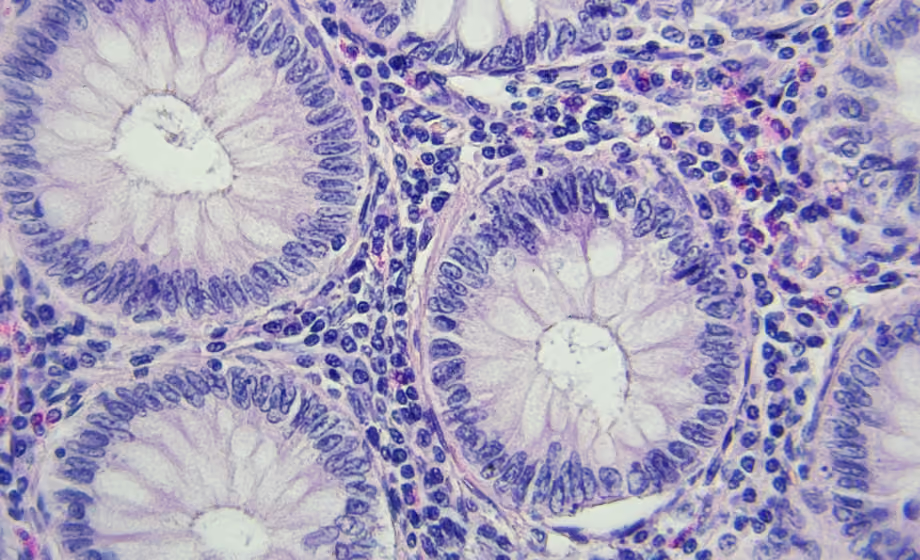
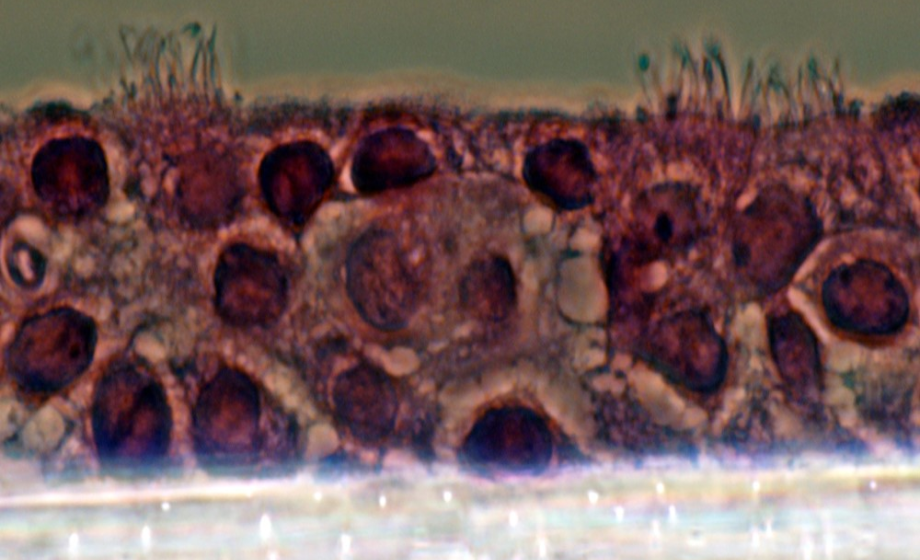
For pulmonary fibrosis, we will present a bleomycin in vivo platform combined with AI-based quantitative pathology and FlexiVent respiratory function, mouse precision-cut lung slices (PCLS), and an IPF organoid model derived from human iPSCs, each anchored by an approved drug (nerandomilast or nintedanib). These systems are designed to be read together, so that a single efficacy signal becomes an integrated interpretation. For pain drug discovery, we will introduce disease-relevant preclinical models of chemotherapy-induced peripheral neuropathy (CIPN), diabetic peripheral neuropathy (DPN), and fibromyalgia (FM), and demonstrate how integrated assessment of pain phenotypes, nerve dysfunction, pathology, and molecular mechanisms can improve confidence in translational decision-making for novel therapeutic strategies.
Key Topics:
Pulmonary Fibrosis Focus
- Bleomycin in vivo platform combined with AI-based quantitative pathology and FlexiVent respiratory function assessment
- Mouse precision-cut lung slices (PCLS) as a complementary ex vivo evaluation system
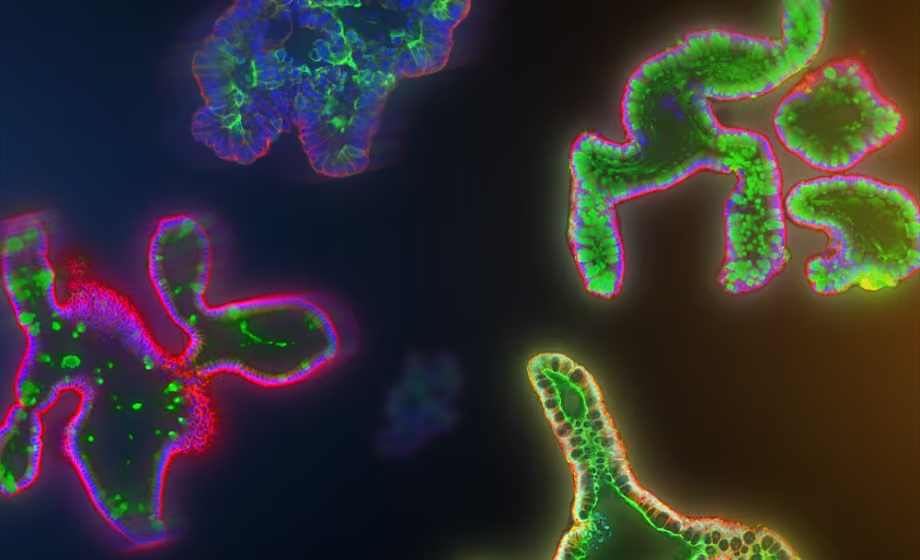
- Human iPSC-derived IPF organoid model for assessing species differences in efficacy
- Evaluation systems anchored by approved drugs (nerandomilast, nintedanib) and selected according to compound mechanism
- Integrating evidence across multiple systems to translate a single efficacy signal into a robust interpretation that supports go/no-go decision-making
Pain Drug Discovery Focus
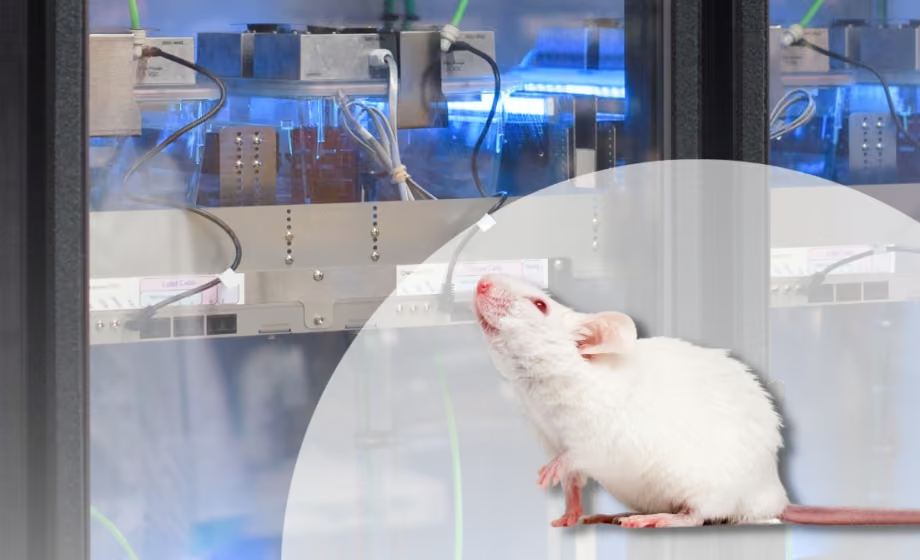
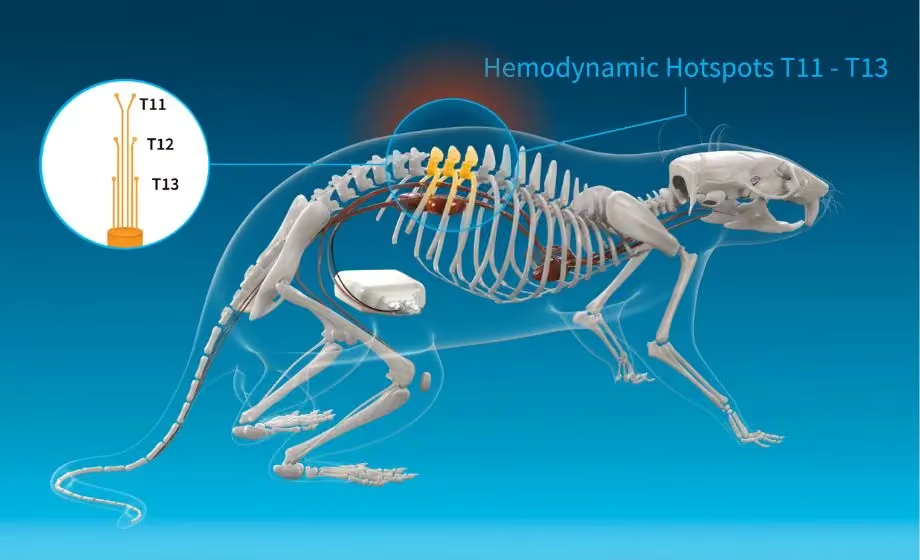
- Disease-relevant preclinical models of CIPN, DPN, and FM
- Integrated evaluation of pain-related phenotypes, nerve dysfunction, pathology, and molecular mechanisms
- Contribution of integrated approaches to the evaluation of novel therapeutic strategies in pain research
Featuring Insights from

Toshiya Mashiko
Toshiya Mashiko is a research scientist in the Translational Science group at Axcelead Tokyo West Partners, Inc. He joined Teijin Pharma Limited in 2015, where he was engaged in pharmacological research on inflammatory and immune diseases and neurological diseases, contributing to projects at stages ranging from hit finding to development pharmacology. In 2024, he joined Axcelead Tokyo West Partners, Inc., where he has since been building evaluation systems for fibrosis. Having experienced first-hand the limits of extrapolating in vivo models to humans, he works to interpret animal and human data together so that nonclinical findings can be built into a drug positioning hypothesis.

Hiroshi Shimoyama, PhD
PhD
Dr. Hiroshi Shimoyama has over 20 years of experience in both in vivo and in vitro pharmacology. He has contributed to multiple drug discovery programs across a wide range of therapeutic areas, with particular expertise in pain research. From 2012 to 2024, he was with Teijin Pharma Limited, where he led and contributed to drug discovery projects across multiple stages of research, from hit identification through to preclinical development. He subsequently joined Axcelead Tokyo West Partners, Inc. in 2024, where he continues to focus on pain research and neuroscience, with a strong interest in enhancing the translational relevance of preclinical research.
Sponsored by


























.avif)