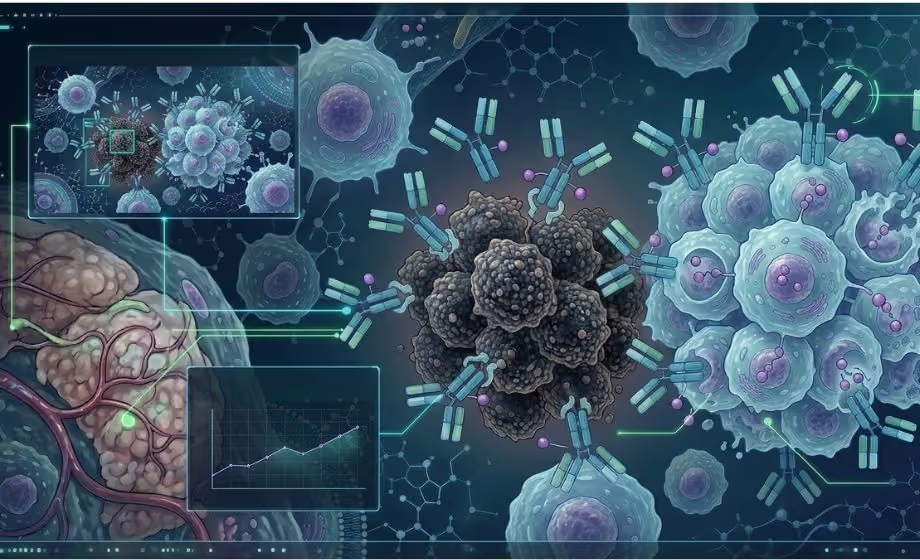
Therapeutic targeting of the NLRP3 inflammasome, a pro-inflammatory macromolecular protein complex, has progressed beyond its early stages, with numerous compounds currently undergoing clinical evaluation. However, there remains a lack of clinically relevant biomarkers for assessing target engagement and efficacy of inflammasome inhibitors. While downstream inflammatory markers such as IL-6 and hsCRP are routinely assessed, their ability to accurately reflect the diverse aspects of inflammasome biology and serve as reliable biomarkers remains unclear.
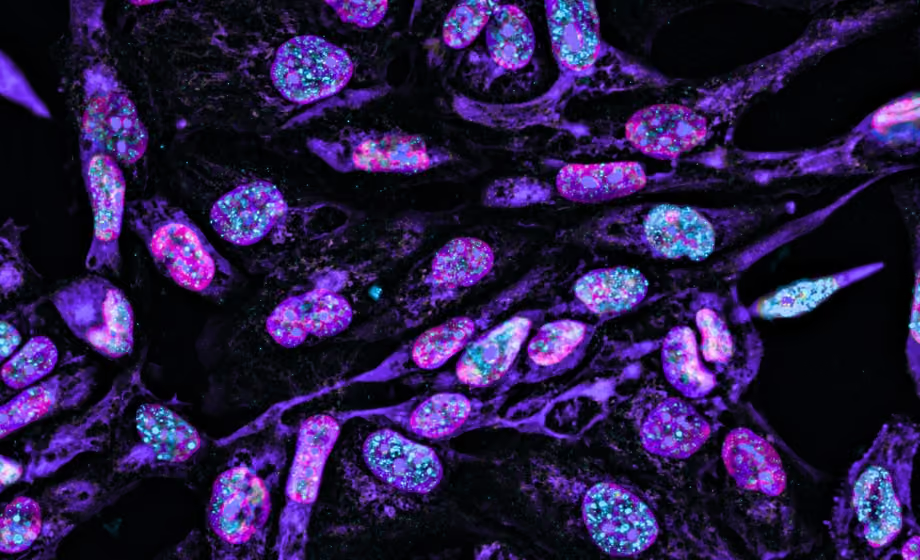
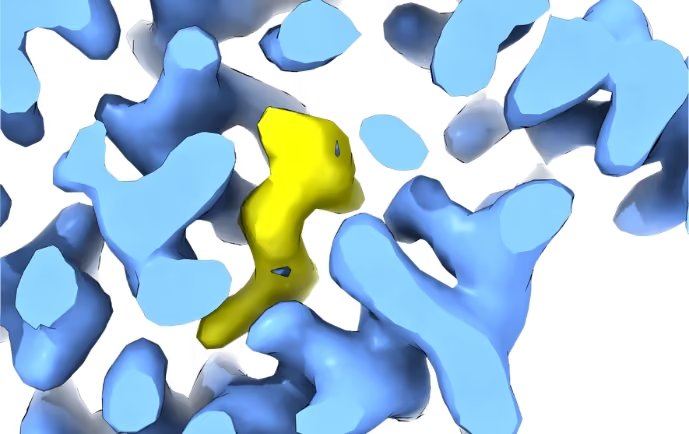
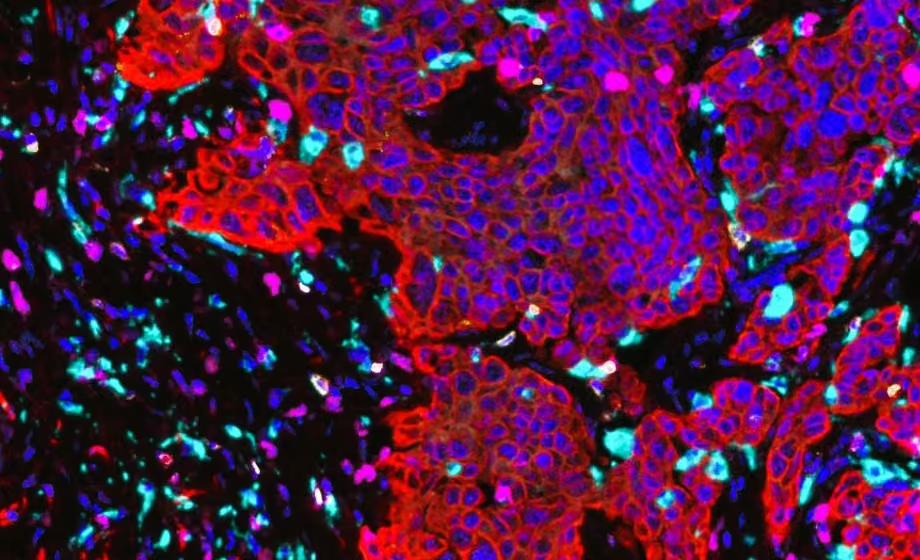
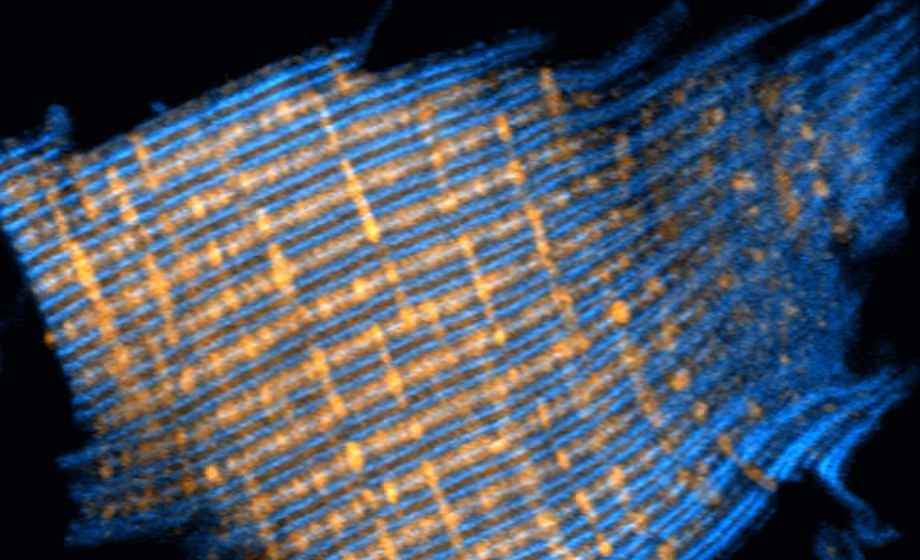
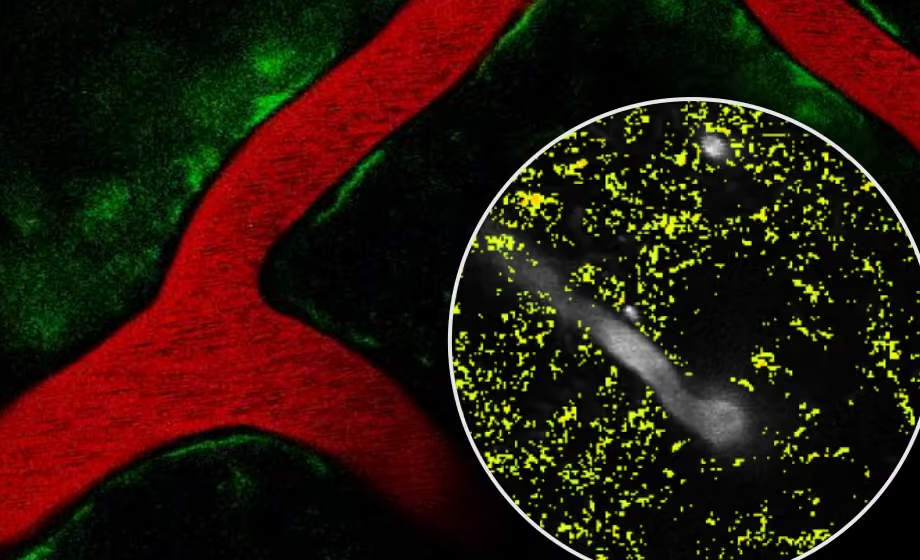
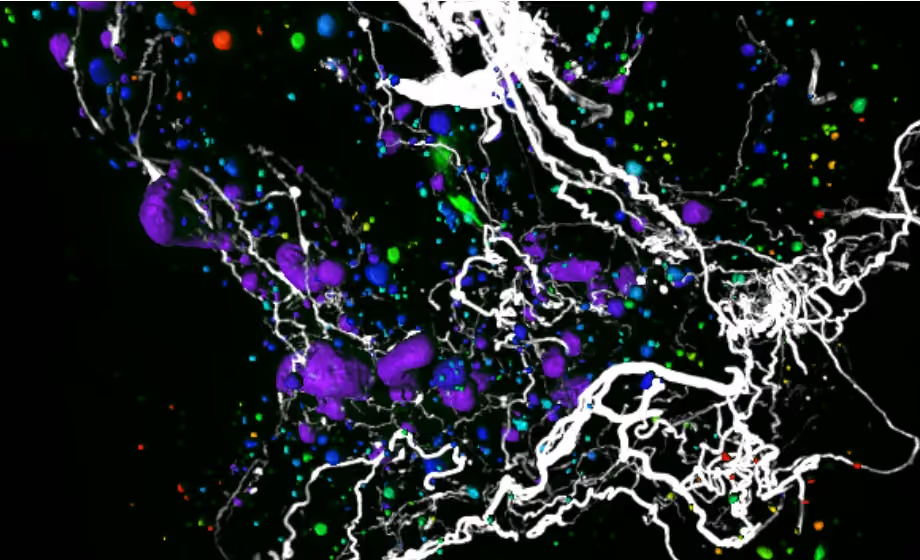
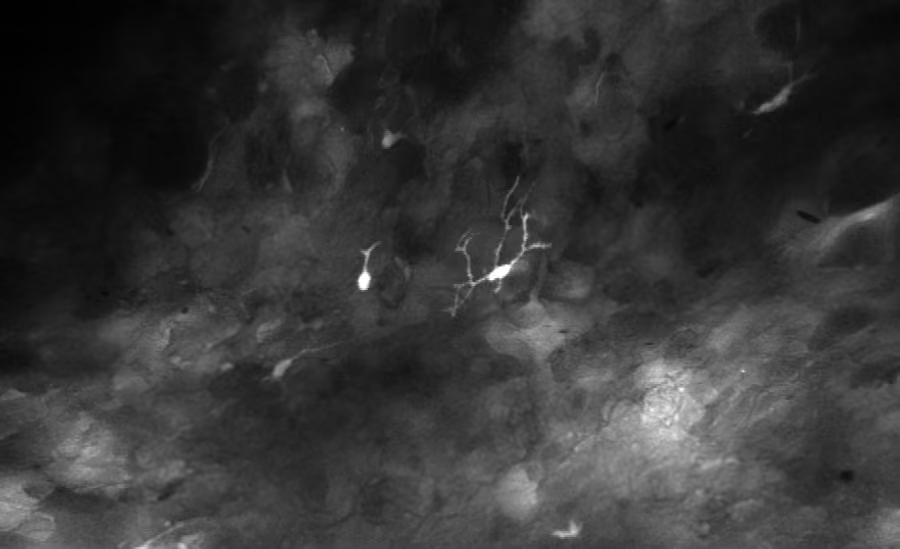
This talk introduces PROTEINA’s Single-molecule Protein Interaction Detection (SPID) platform, which quantifies protein complexes at single-molecule resolution. By leveraging imaging data generated by the SPID platform, macromolecular protein complexes, such as inflammasomes, can be distinguished from monomeric proteins. Attendees will gain an understanding of how PROTEINA’s PPI PathFinder® assays work to directly quantify NLRP3 inflammasome assembly and activity, and how these assays can be applied to translational and clinical studies.
Featuring Insights from

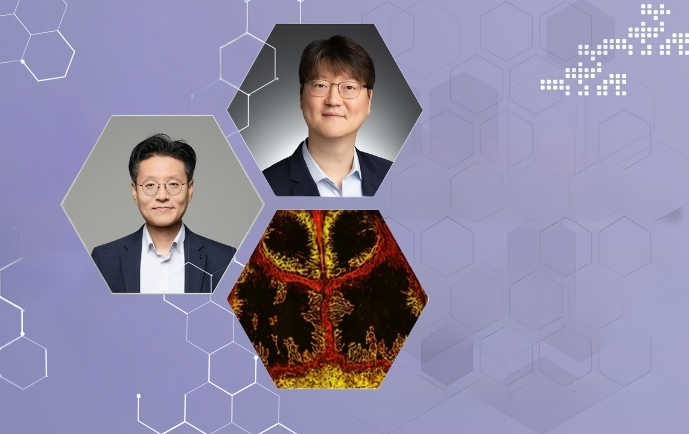
Kyung Chan Park
PhD
Kyung Chan Park received his PhD in Medicine and Health from the University of Sydney, where he continued his research as a postdoctoral fellow in the Molecular Pharmacology and Pathology Program. His research focused on investigating post-translational modifications of the metastasis suppressor NDRG1 in cancer cells and their roles in its pleiotropic functions. His research also elucidated a novel mechanism of action (MoA) of DpC, a clinical-stage anticancer agent that promotes intracellular shedding of the cMET oncoprotein.
He currently serves as Director of Research & Early Development at PROTEINA, a biotechnology company based in Seoul, South Korea. His R&D team has developed innovative methods to analyze supramolecular organizing centers (SMOCs), with a particular focus on the inflammasome, a pro-inflammatory SMOC. Dr. Park has initiated and led international research collaborations with leading pharmaceutical companies developing NLRP3 inhibitors, as well as prominent academic researchers and clinicians specializing in inflammasome biology.
Sponsored by