Join George Portugal, PhD for an overview of microelectrode array (MEA) technology used for cardiac research and some best practices for integrating this technique into your research.
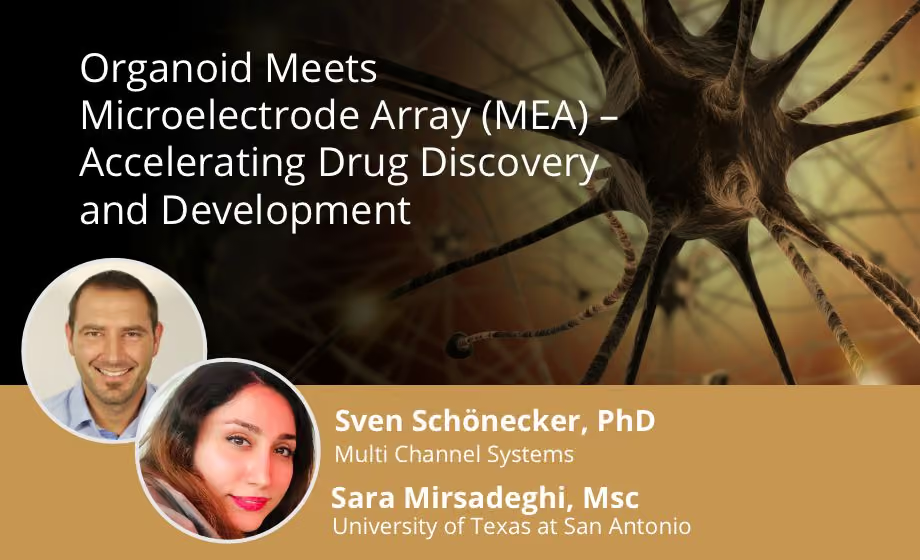
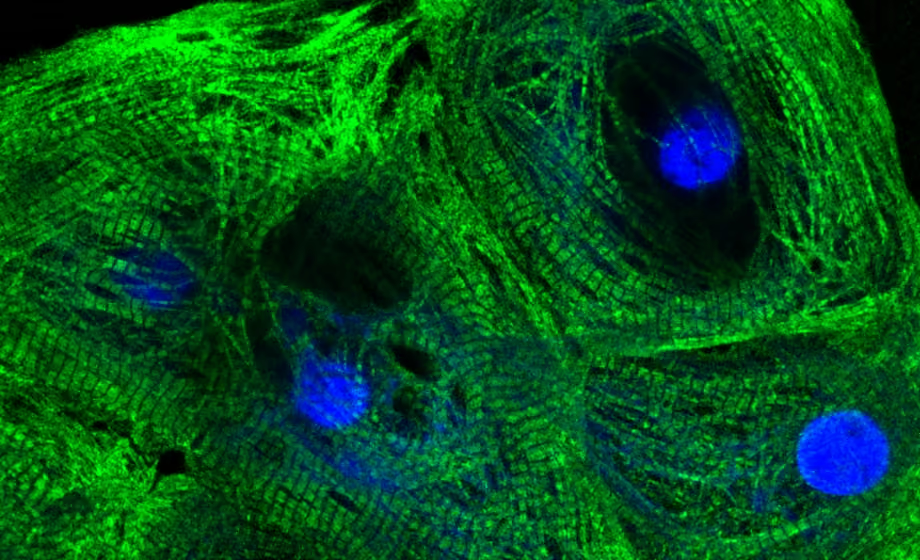
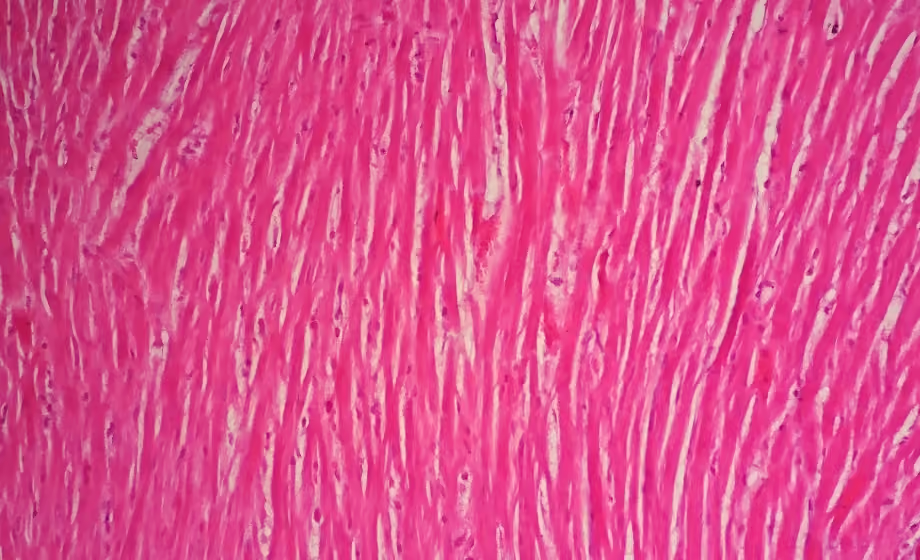
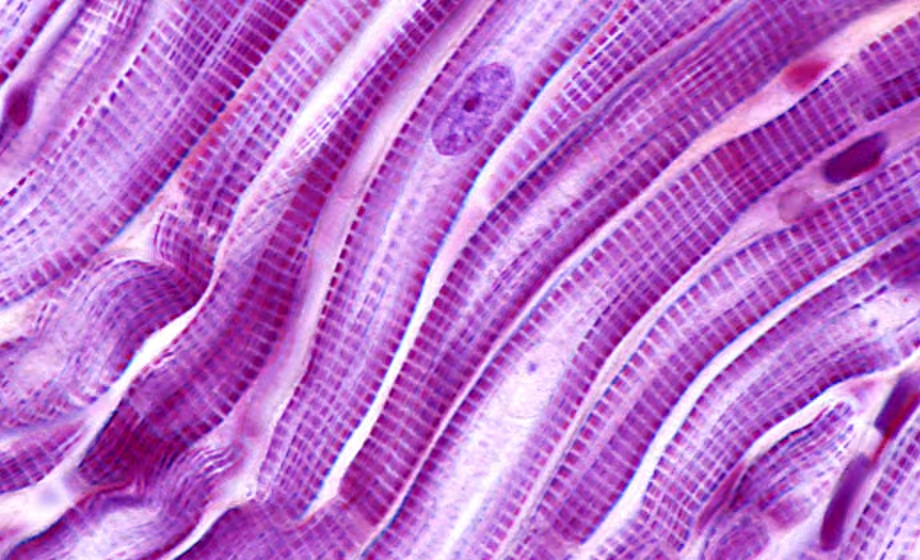
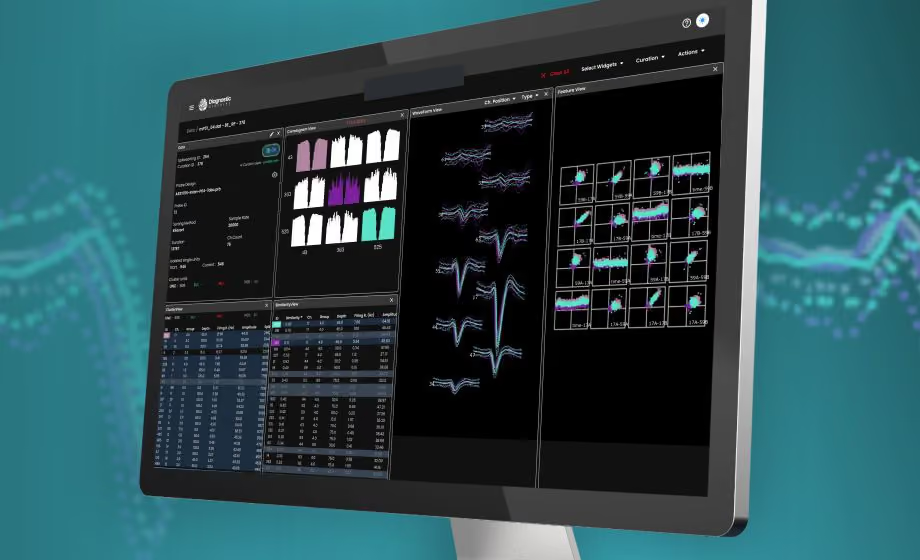
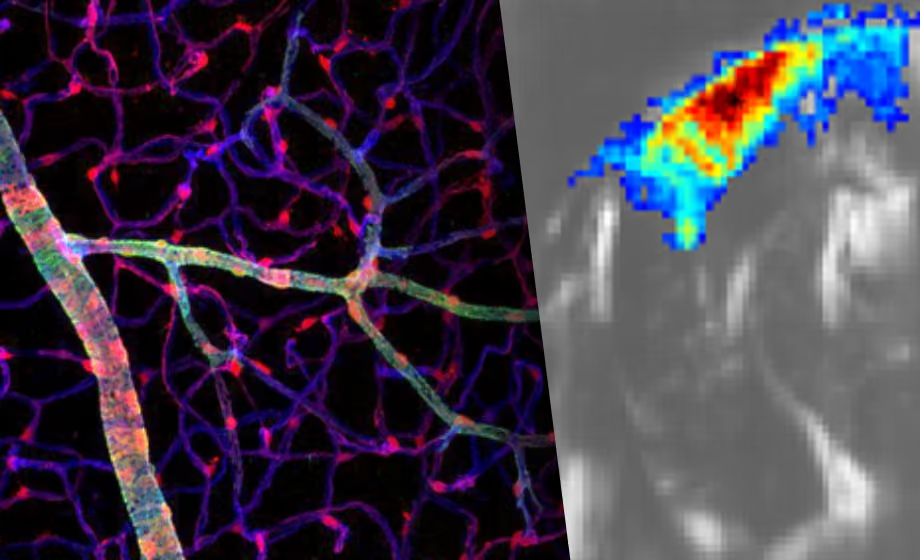
Microelectrode array (MEA) technology is a valuable tool for research using stem cell derived or primary cardiomyocytes. Networks of extracellular recording electrodes can allow investigators to rapidly screen compounds, monitor for toxicological effects, and study changes in conduction velocity or arrhythmia. Furthermore, this technology can also be applied to study changes in organoid, cardiac slice, or whole heart applications.
In this presentation, George discusses some of the methodological challenges to consider when using MEA technology for cardiac research. The discussion includes best practices to use with MEA recording and provides examples of recordings using cell culture, slice, and whole heart. Together, these ­methods can optimize MEA recording and allow it to be easily integrated as a new technique in the lab.
Featuring Insights from

George Portugal
PhD
George Portugal received his PhD in Behavioral Neuroscience at Temple University in 2010 and was a postdoctoral scientist in the laboratory of Dr. Moron-Concepcion at Columbia University from 2010-2013. Since 2013, he has worked with Multichannel Systems and HEKA Eletronik to assist clients with adding electrophysiological techniques to their labs.
Sponsored by

Harvard Bioscience, Inc.
In Partnership with

American Physiological Society
Founded in 1887, the American Physiological Society is a global leader in expanding knowledge related to biological function. We connect a multidisciplinary community of nearly 10,000 scientists and educators from around the world, driving collaboration and spotlighting scientific discoveries in physiology and related disciplines. Our members are advancing treatments and cures for everything from cancer and heart disease, to obesity and addiction. They are also deepening our insight into living organisms generally, helping us to better understand how things like climate change are affecting the world around us.
European Council for Cardiovascular Research
The history of the European Council for Cardiovascular Research (ECCR) goes back more than 30 years when the ‘European Blood Pressure Group’ held its first meeting in March 1979 in Cambridge, UK. To date more than 30 international meetings have been held in various European locations. For more information about ECCR history click here.
The mission of ECCR is to promote prevention, diagnosis and treatment of disease and the preservation and protection of good health through experimental and clinical research in hypertension, cardiovascular and metabolic disease.
ECCR holds an Annual Meeting in October. The purpose of these scientific meetings is to provide a forum for active clinical and non-clinical researchers to discuss important aspects of their work, to advance and strengthen European research in the field of cardiovascular disease, high blood pressure and cardiometabolic disease. The meetings bring together both senior and junior scientists from the leading European groups in the field of cardiovascular research.
ECCR is a member of the Council for Basic Cardiovascular Science (CBCS) of the European Society of Cardiology (ESC), whose aims are to enhance the importance of basic science to clinical cardiology and act as a Europe wide forum for cardiovascular research societies, and a conduit for positive collaboration.