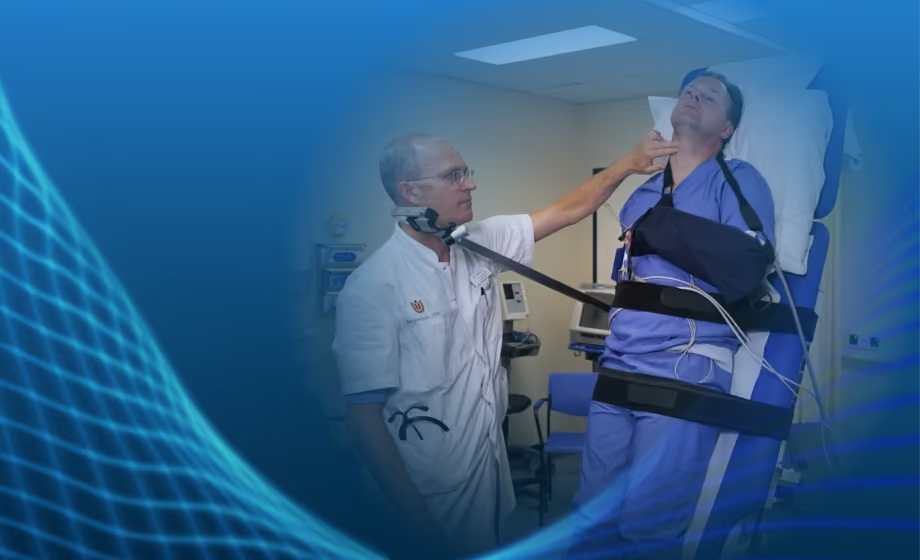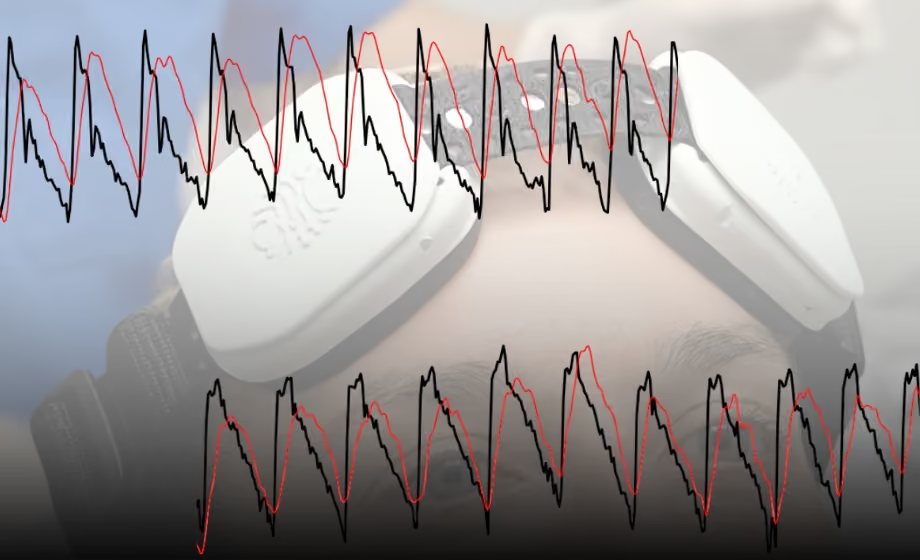
Join Dr. Chris Favilla as he discusses non-invasive measurement of cerebral blood flow and potential applications.
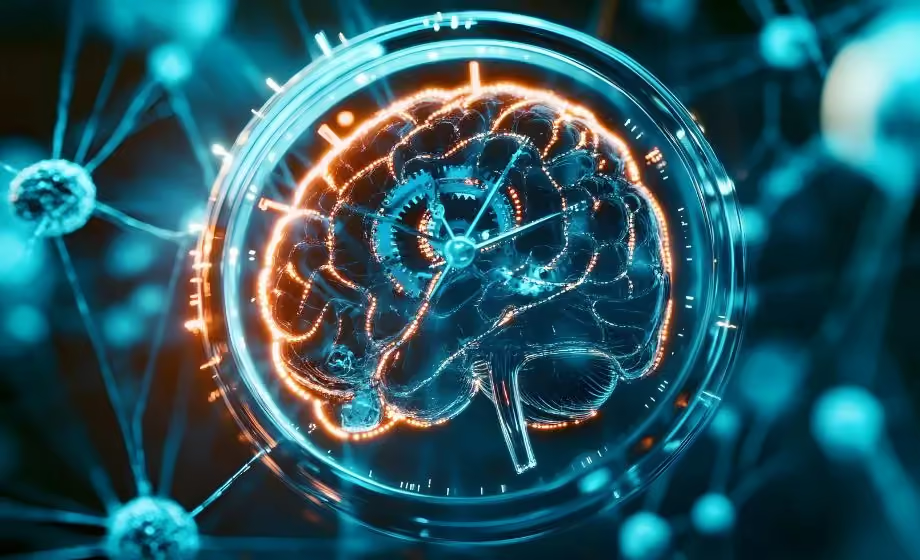
Cerebral blood flow optimization is a pillar of clinical management of various neurological conditions. However, continuous non-invasive cerebral hemodynamic monitoring presents a significant challenge even in the most advanced health care settings. Here, we will discuss how biomedical optical imaging modalities are well positioned to address this unmet need. Recent studies will be leveraged to support the idea that optically-derived cerebral blood flow can (1) serve as a surrogate endpoint for early-phase trials aimed at hemodynamic optimization, (2) be used to quantify microvascular reperfusion in stroke, (3) detect large vessel occlusion, and (4) monitor patients at risk of hemodynamic failure. The overarching goal is to highlight the diversity of potential clinical applications to inspire cutting edge research that will ultimately improve the care we provide to patients with cerebrovascular disease.
Featuring Insights from
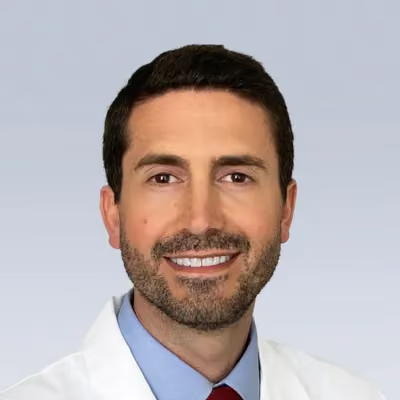
Chris Favilla
MD
Dr. Chris Favilla, MD is an Associate Professor of Neurology and Director of the Non-invasive Cerebral Hemodynamic Evaluation (NICHE) Center at the University of Pennsylvania; his lab is dedicated to improving acute stroke care by leveraging these innovative bedside techniques to develop novel stroke therapies aimed at optimizing cerebral hemodynamics.
Sponsored by







.avif)