Webinar Summary
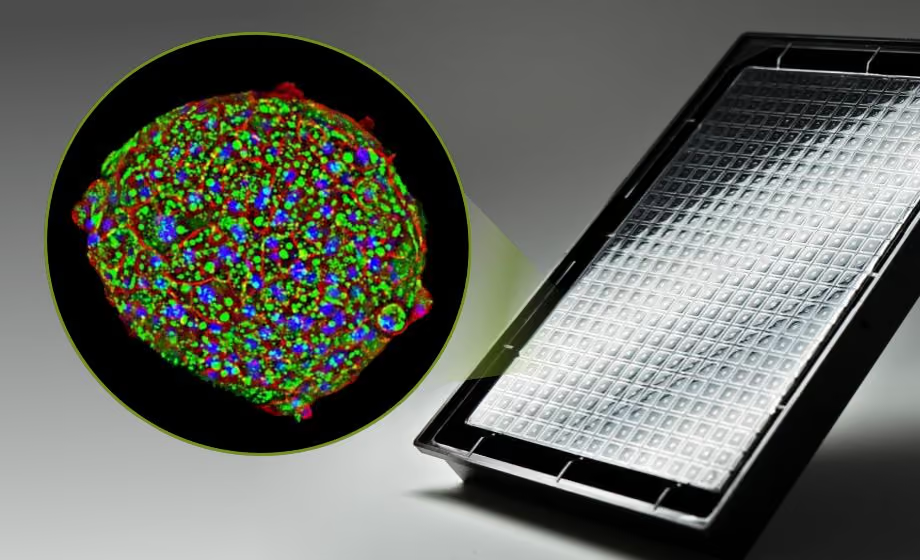
- Explore how advanced 3D tumor models offer new in vitro capabilities
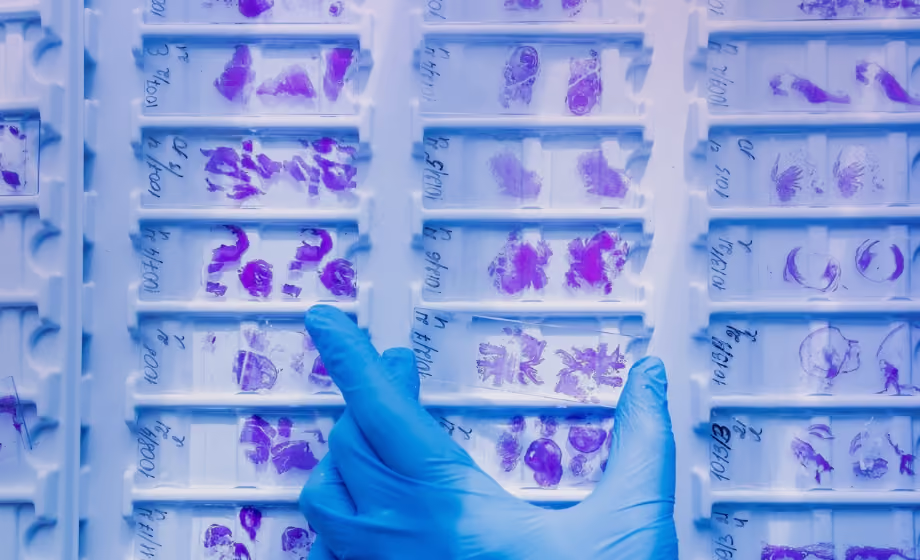
- Understand the importance of a highly annotated biorepository in developing new 3D tumor models
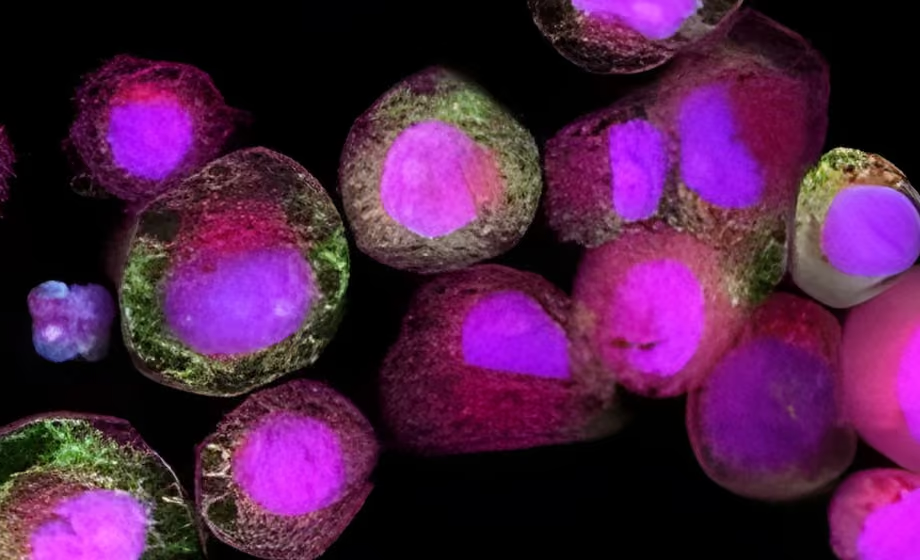
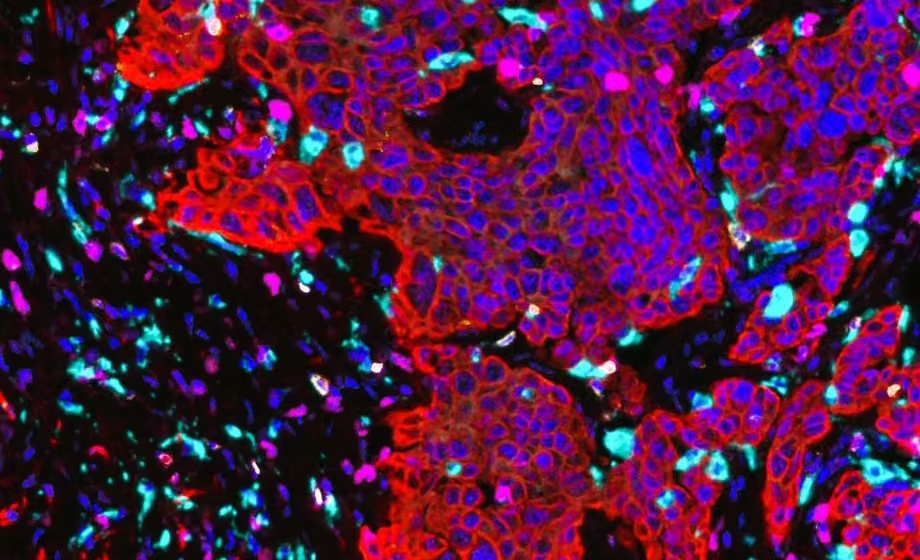
- Learn how novel 3D tumor models maintain the heterogeneity of the parent tumor
- Discover the applications of 3D tumor models in drug testing and evaluation
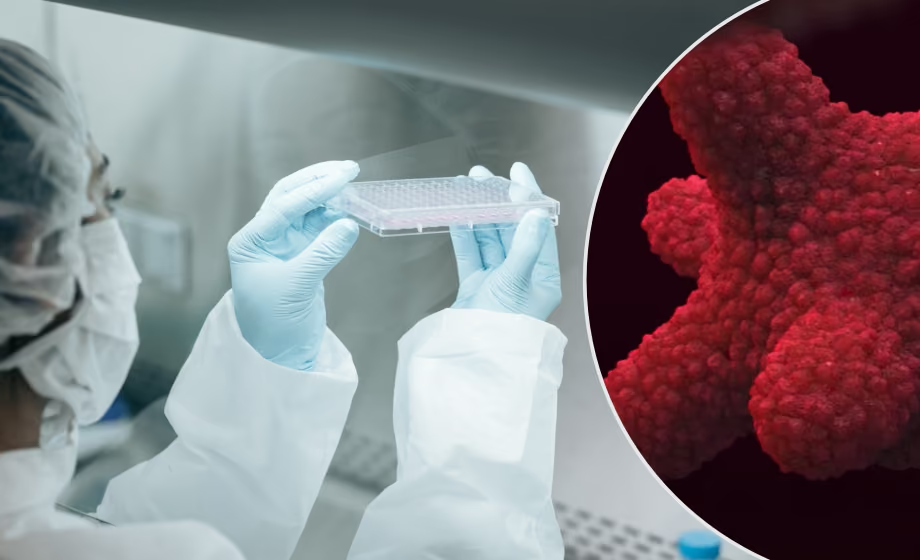
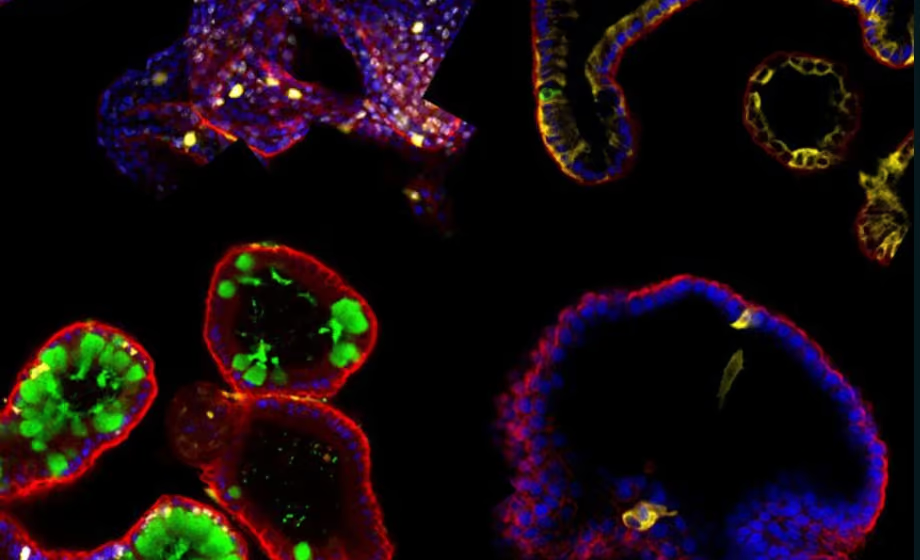
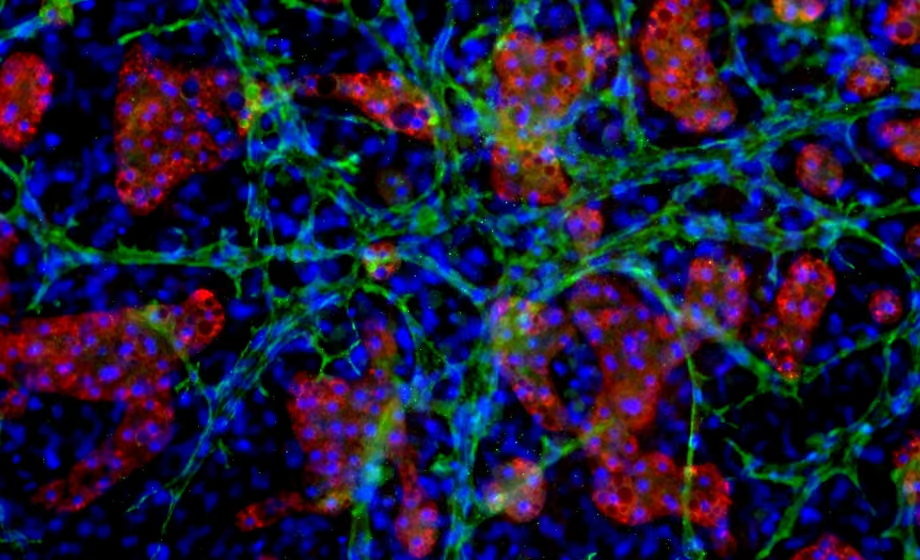
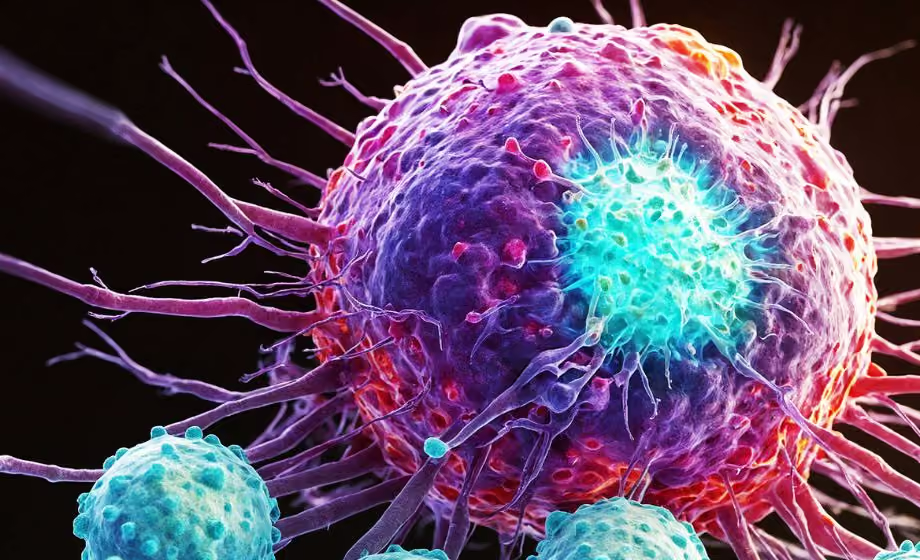
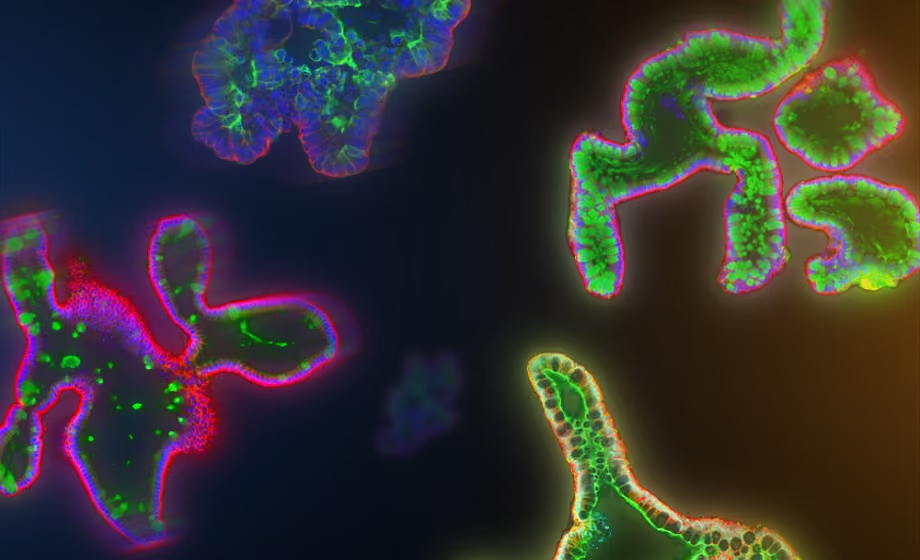
In vitro primary tumor models play a critical role in the development of new therapies. Historically, these in vitro models have relied on two-dimensional immortalized cell lines. While fundamental for early stages of drug development, such models do not translate during the later stages of drug evaluation. Recent advancements have introduced three-dimensional primary tumor models that more accurately replicate therapeutic responses. Their ease of use and scalability underlines the importance of these models to accelerate drug development pipelines. Realizing the full potential of these 3D systems requires access to highly characterized primary tumor samples.
Discovery Life Sciences (Discovery) leverages its highly annotated biorepository and a network of nearly 200 global clinical sites to enable the creation of advanced primary tumor models. The primary tumoroid models developed using Discovery's biorepository maintain the genomic and transcriptomic profiles of the parental tissue, and these systems are amendable to standard-of-care compound testing. Collectively, the integration of novel 3D tumor models, a robust, well-characterized biorepository, and comprehensive specialty lab services represents a significant advancement in cancer therapy development.
Featuring Insights from

Philip McCauley
Philip McCauley, Product Manager for Biospecimens at Discovery Life Sciences, has a BS in Microbiology from the University of Maryland and has over 10 years of biotech experience. With a strong focus on advancing drug discovery solutions, he previously held roles at Catalent Cell & Gene Therapy and other leading biospecimen providers.

Shawn Fahl
PhD
Dr. Shawn Fahl earned his PhD in Microbiology from the University of Virginia and completed a postdoctoral fellowship at Fox Chase Cancer Center. With expertise in transcriptional regulation of lymphocyte development, Dr. Fahl joined Discovery in 2017 to pioneer analytical pipelines for single-cell evaluation of primary human biospecimens.
Sponsored by
Discovery Life Sciences
In Partnership with

Scientist.com
Scientist.com is the world’s largest and first platform built for the intricacies of scientific outsourcing.
We help pharmaceutical and biotechnology organizations discover, engage, manage, and scale relationships with the providers that support every stage of the pipeline—from discovery and preclinical research to clinical development, manufacturing, medical affairs, and commercialization. Through a centralized platform, organizations can access a global network of 6,000+ providers, streamline sourcing and procurement workflows, maintain compliance, manage supplier relationships, and leverage data-driven insights to make faster, more informed decisions.
Today, Scientist.com supports more than 130 life science organizations, including 24 of the world's top 30 pharmaceutical companies, helping teams reduce operational complexity, accelerate timelines, and bring innovations to patients faster. Our mission is to make it possible to cure all human disease by 2050.














.avif)