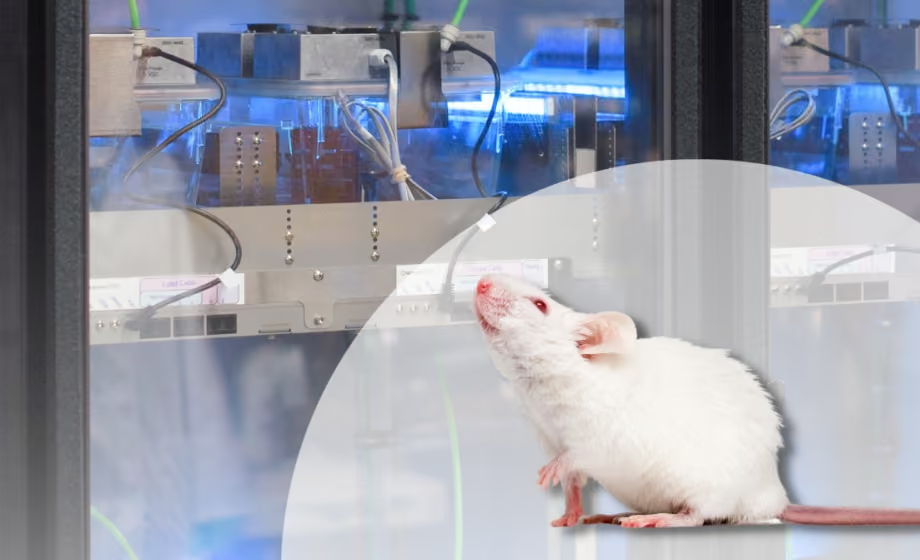
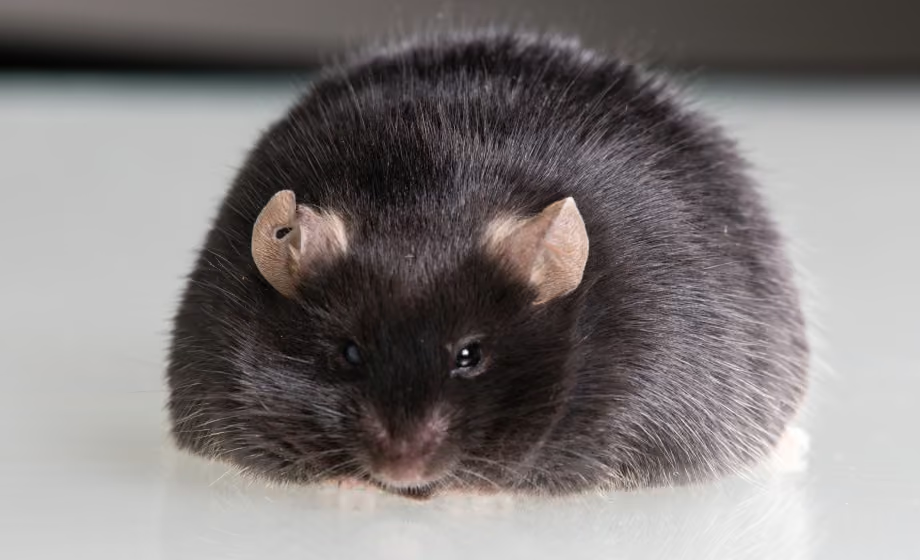
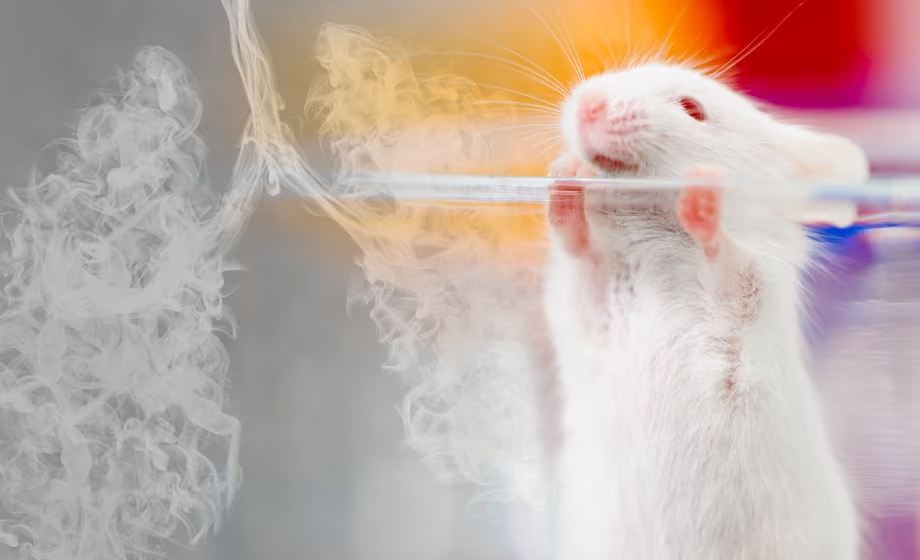
Zhen Yan and Diego Bohórquez present case studies demonstrating the use of automated home cage phenotyping for preclinical obesity research.
Join Dr. Zhen Yan (University of Virginia) and Dr. Diego Bohorquez (Duke University) as they discuss applications of automated home cage phenotyping for preclinical obesity research. In this webinar, Dr. Yan will discuss the mechanisms underlying adaptation to resistance exercise and Dr. Bohorquez will describe the role of neuropods and how nutrient sensing in the gut affects behavior.
A Novel Voluntary Weightlifting Model in Mice for Resistance Exercise ResearchZhen Yan, PhD
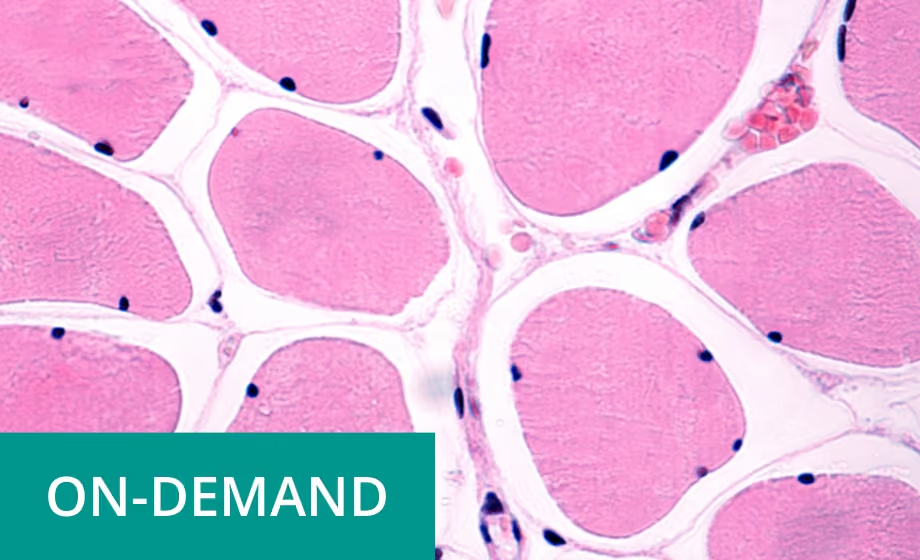
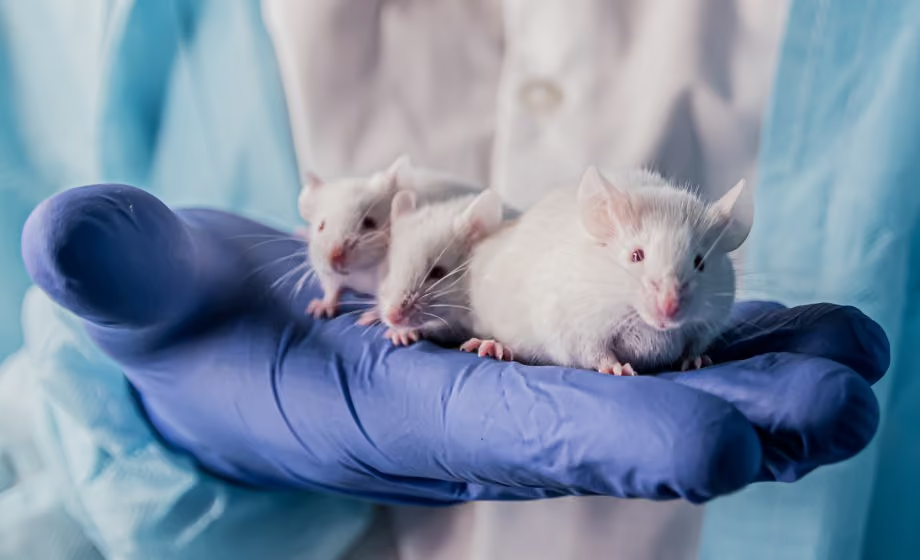
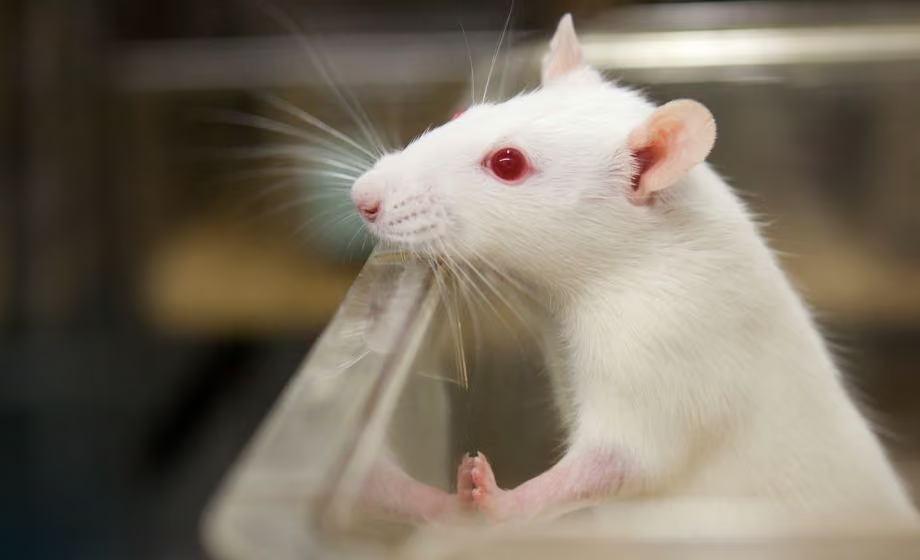
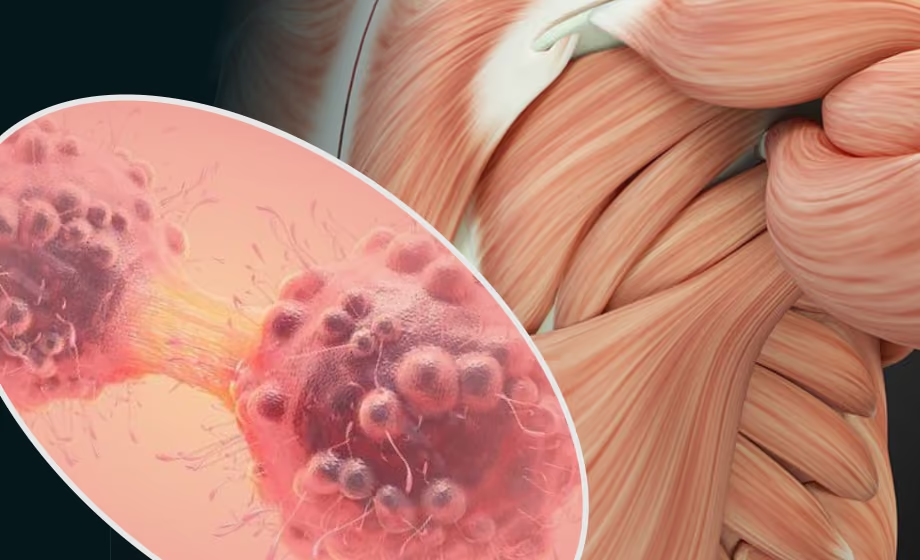
Our understanding of the molecular mechanisms underlying adaptations to resistance exercise remains elusive, despite their significant biological and clinical relevance. To better understand these molecular mechanisms, Dr. Zhen Yan developed a novel voluntary mouse weightlifting model, which elicits squat-like activities against adjustable load during feeding. In this webinar, Dr. Yan will discuss acute and long-term effects of resistance exercise in the mouse model. He will address a range of adaptations, including enhanced muscle mass, muscle power, protein synthesis, autophagy, whole-body glucose clearance and insulin sensitivity.
A Gut ChoiceDiego Bohórquez, PhD
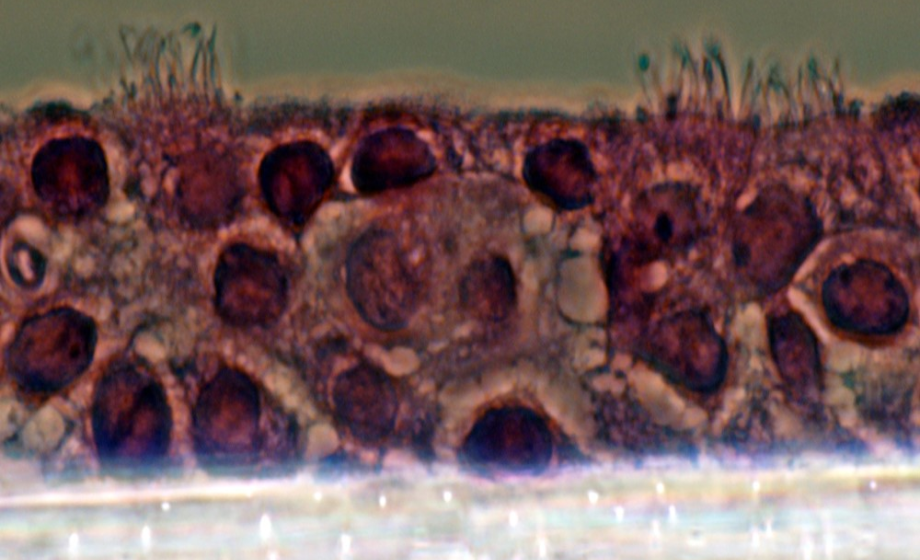
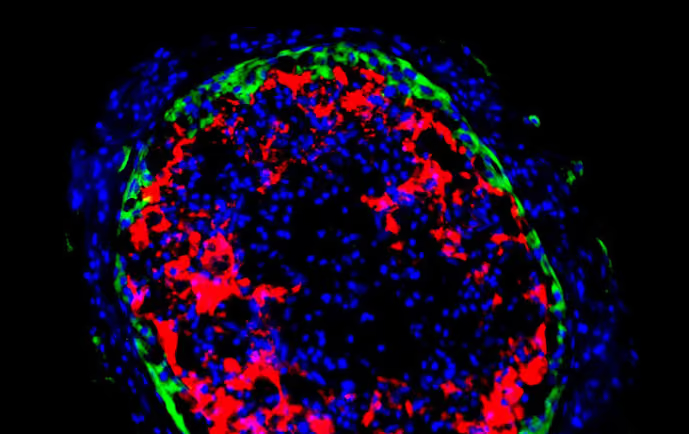
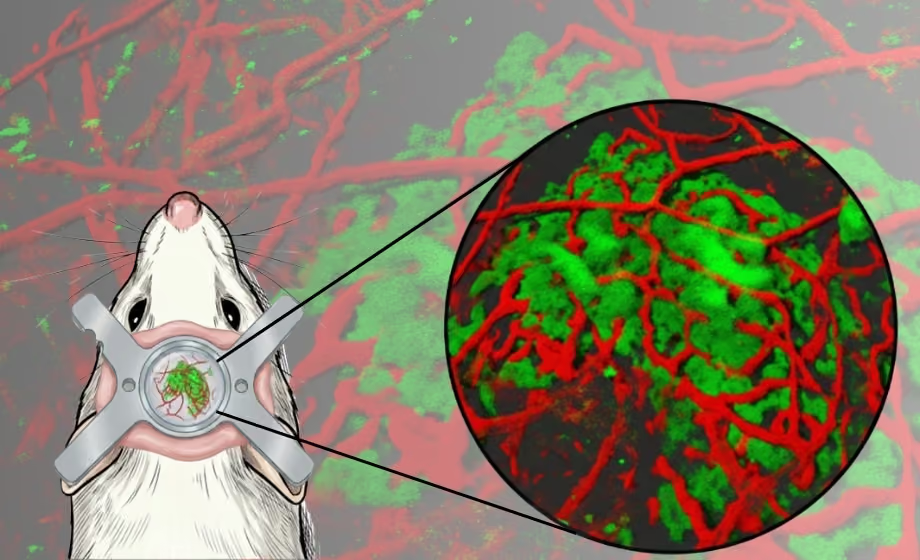
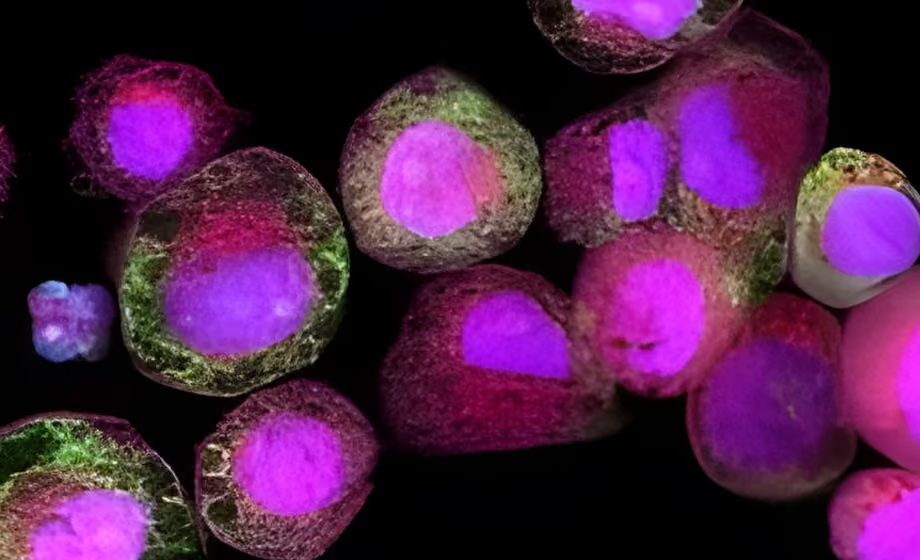
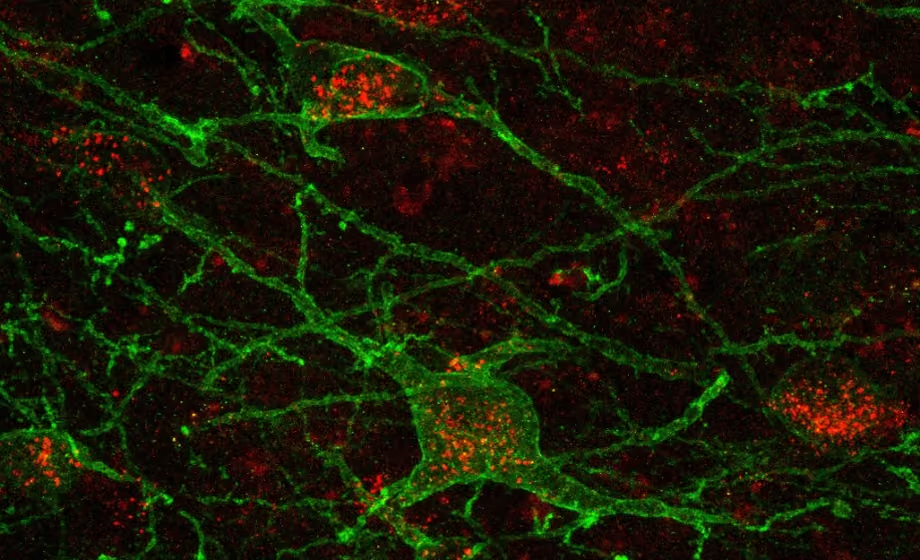
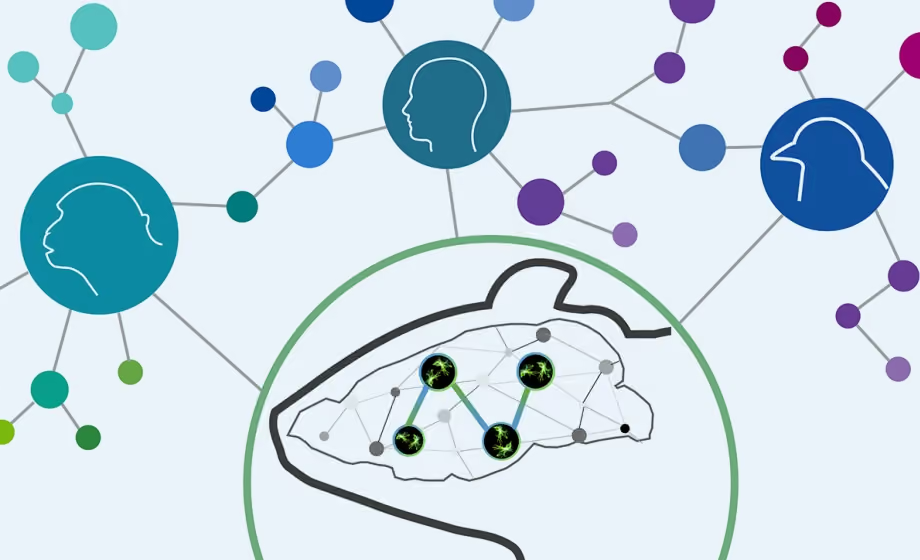
Our motivation to eat sugars is thought to arise at the gut but how this happens is unknown. We discovered a neural connection between the surface of the intestines and the brain. This connection begins with a type of sensory cell that connects with the vagus nerve. We called them neuropod cells. Using a special type of rabies virus, we tracked this connection from the intestine to areas of the brain that control the pleasure of food. Animals, including humans, have an innate preference for table sugars over non-caloric sweeteners. This preference exists even if taste is bypassed, and sugars are directly placed in the intestine. We wondered if neuropods are the main sensor of the body for the animal to distinguish calories in sugars. Using a genetic trick called optogenetics, we paralyzed neuropods in the gut and found that animals (e.g. mice) lose the ability to distinguish sugars from artificial sweeteners. This gut sensor for calories is the portal for nutrients to drive our desire to eat and a new avenue to treat obesity and behavioral disorders linked to food.
Key Topics Include:
- Understand the general differences between endurance and resistance exercise
- Appreciate the lack of a physiological animal model of resistance exercise for large scale studies
- Understand the general principle of the novel weightlifting model
- Appreciate the evidence of acute responses to weightlifting activities and long-term adaptations to training
- How the gut discerns the nutritive value of sugars
- How the gut senses nutrients
- How this gut sense drives appetitive behaviors
Featuring Insights from

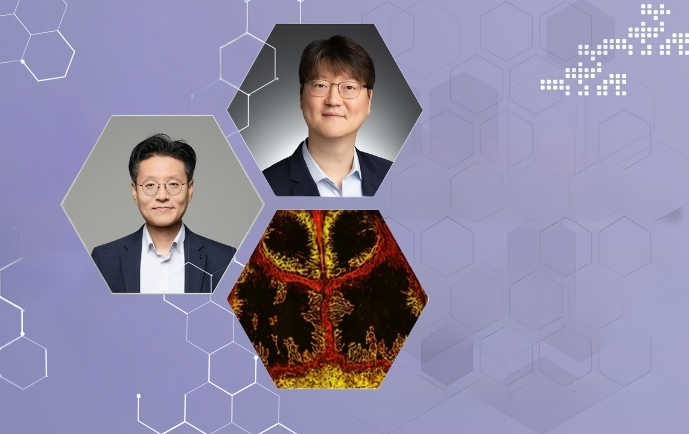
Zhen Yan
PhD
Trained as a physician scientist, Dr. Yan has over 30 years of research experience with private and federal funding. He has established a rigorous research program and developed unique genetic and exercise models with >110 publications in high-impact journals of including Nature Communications, Diabetes, Free Radical Biology & Medicine, and Circulation: Heart Failure. His laboratory employs state-of-the-art molecular genetics and imaging technologies in a variety of animal models to elucidate the underlying molecular and signaling mechanisms of exercise training-induced adaptations and their impacts on health and disease. His long-term goal is to unveil the underlying mechanisms of exercise training and its impact on health and diseases.

Diego Bohórquez
PhD
Diego Bohórquez and his colleagues developed a transgenic mouse in which enteroendocrine cells of the distal ileum and colon are fluorescent and discovered prominent cytoplasmic appendages in these cells. Dr. Bohórquez subsequently coined the term neuropod to refer to these appendages. In September 2018, his laboratory published an article in Science documenting a new mechanism for the gut to transduce a sense to the brain in milliseconds. This newly uncovered sensory transduction mechanism uses glutamate as a neurotransmitter. It involves a synapse between enteroendocrine cells and vagal neurons. This research has been widely cited in the scientific and popular press.
Sponsored by

TSE Systems
In Partnership with

American Physiological Society
Founded in 1887, the American Physiological Society is a global leader in expanding knowledge related to biological function. We connect a multidisciplinary community of nearly 10,000 scientists and educators from around the world, driving collaboration and spotlighting scientific discoveries in physiology and related disciplines. Our members are advancing treatments and cures for everything from cancer and heart disease, to obesity and addiction. They are also deepening our insight into living organisms generally, helping us to better understand how things like climate change are affecting the world around us.