Webinar Summary
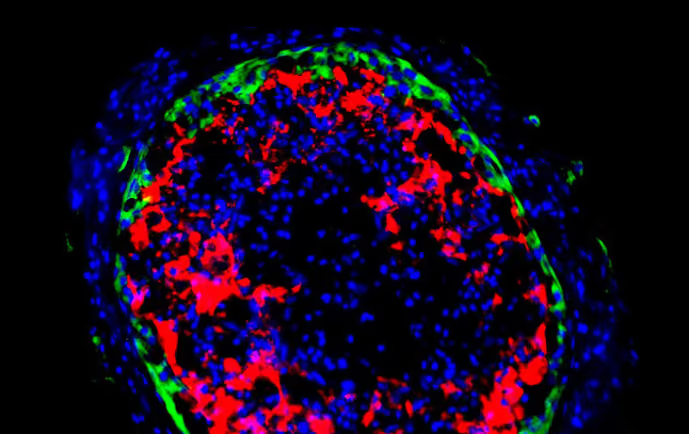
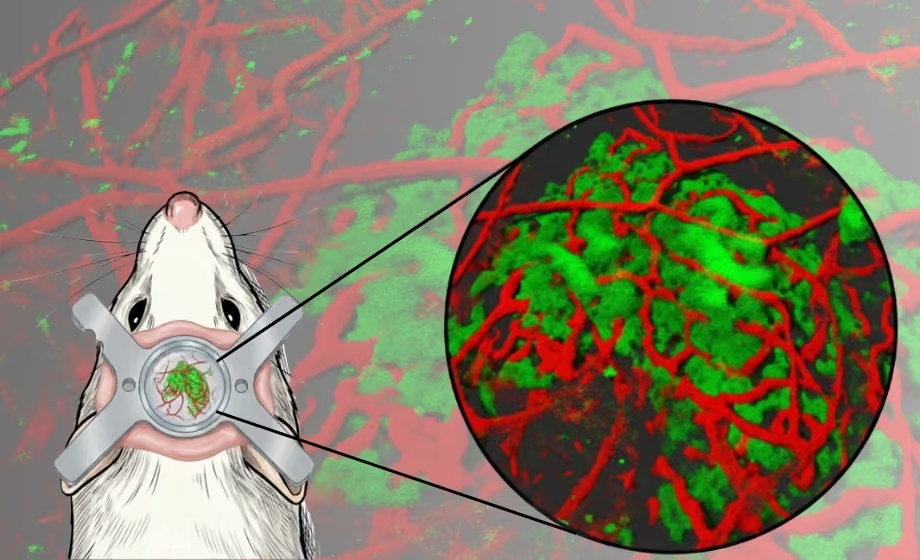
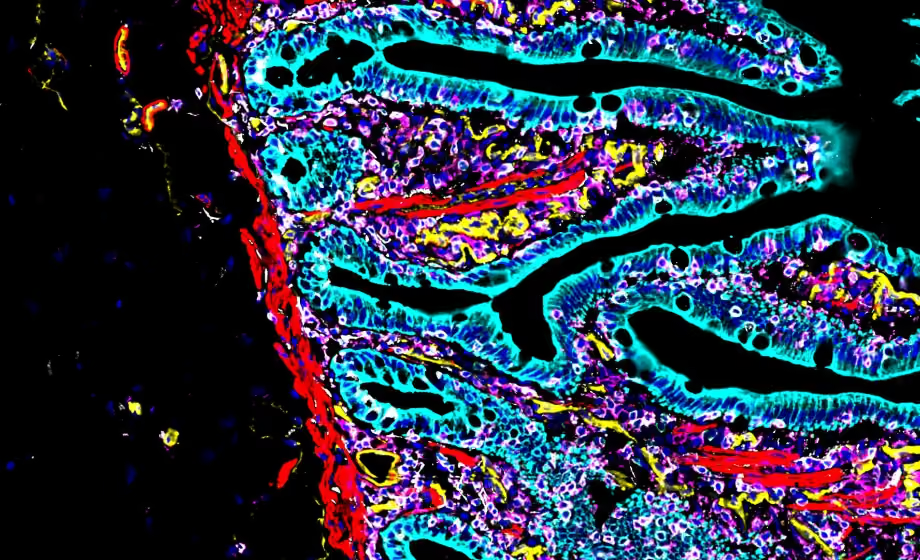
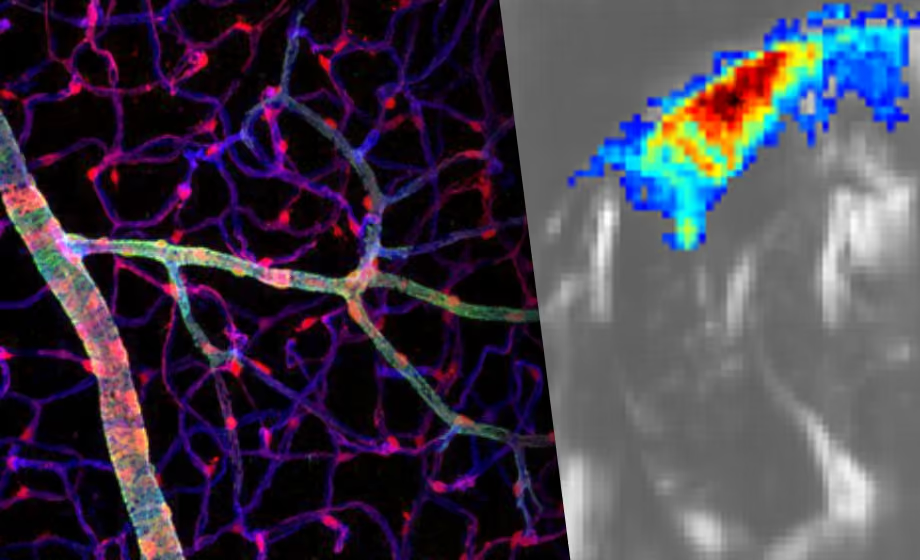
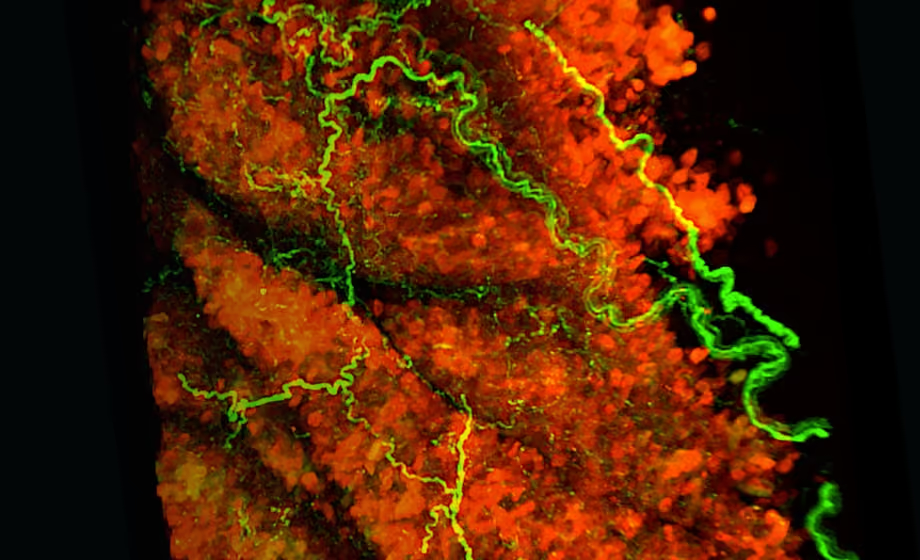
- Visualization of adipose tissue cell compositions and morphology in 3D by light sheet microscopy
- Understanding how adipose tissue functions to control whole body metabolism
- Learning CRISPR methods for gene modification in adipocytes with high efficiency
- Learning methods of adipocyte implantation in "humanized" mice to alleviate diabetes
Adipose tissue is central to metabolic health and its disruption in obesity and type 2 diabetes causes havoc with normal body processes. In lean people, white adipocytes sequester fat away from other tissues where it can be toxic, while brown or beige adipocytes rapidly remove fat by metabolic oxidation. In addition, healthy white, beige and brown adipocytes act as endocrine cells by secreting factors beneficial to other tissues. However, pharmaceutical approaches to restore these therapeutic features of adipose tissue function in obesity and diabetes have had limited success.
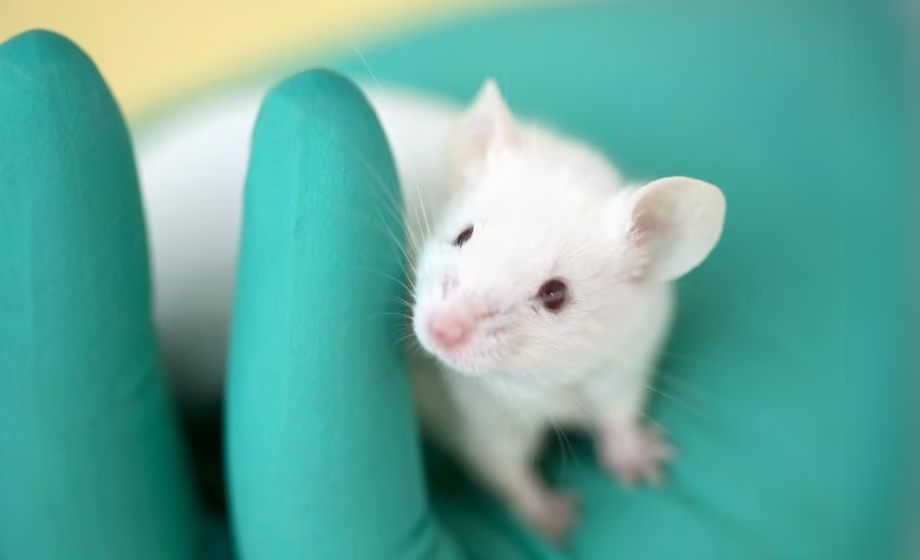
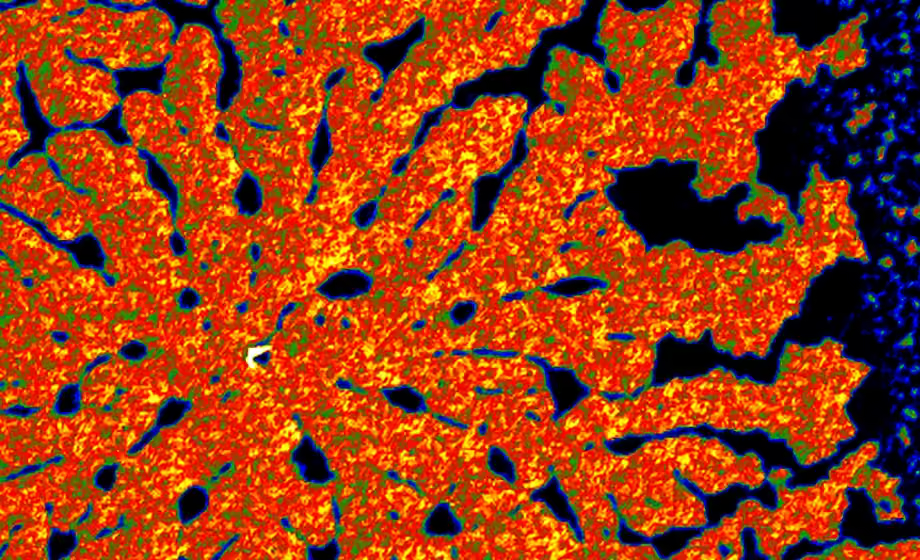
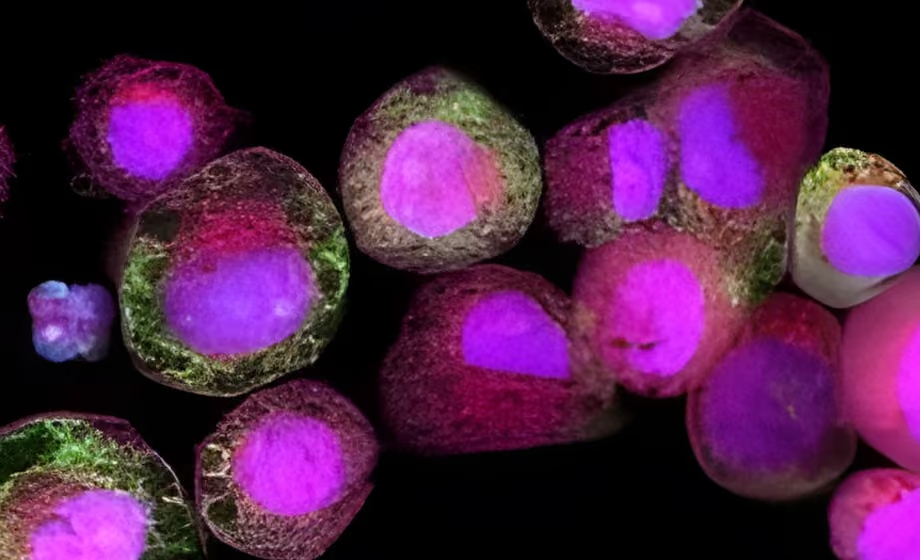
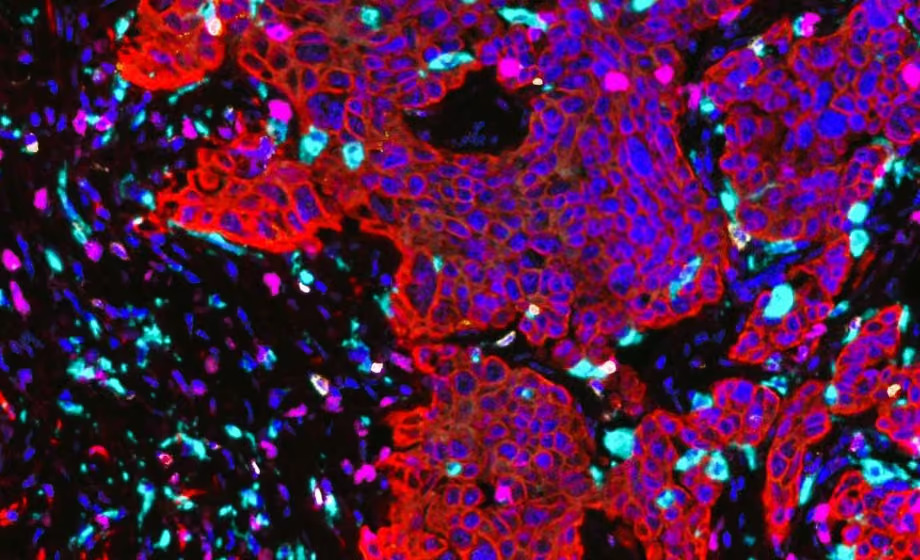
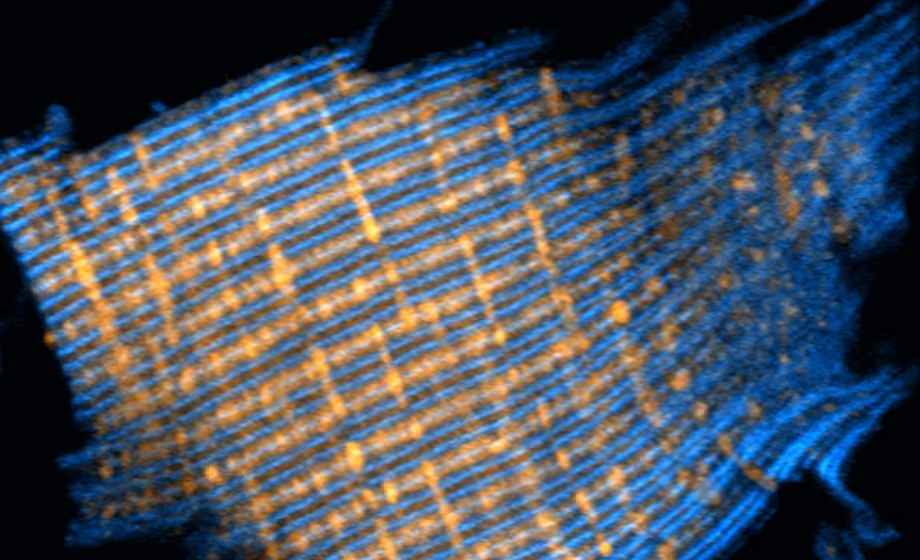
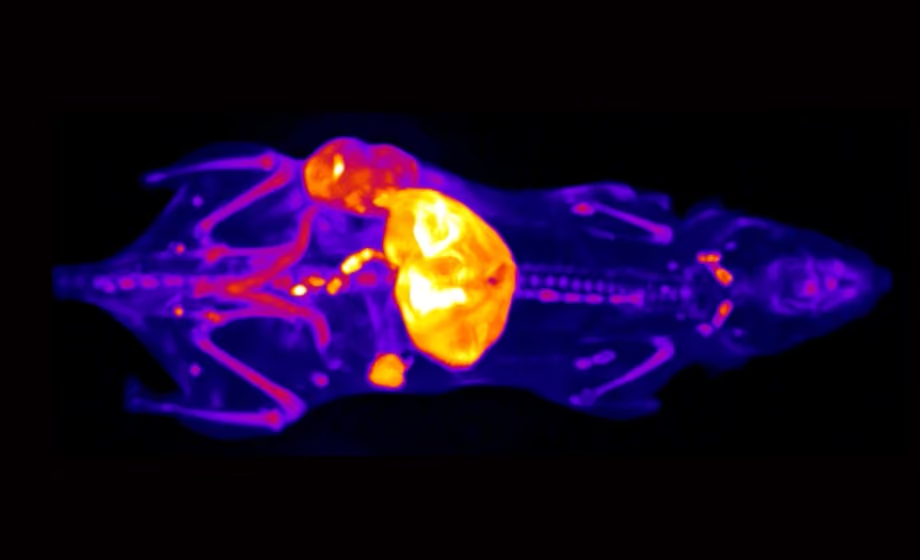
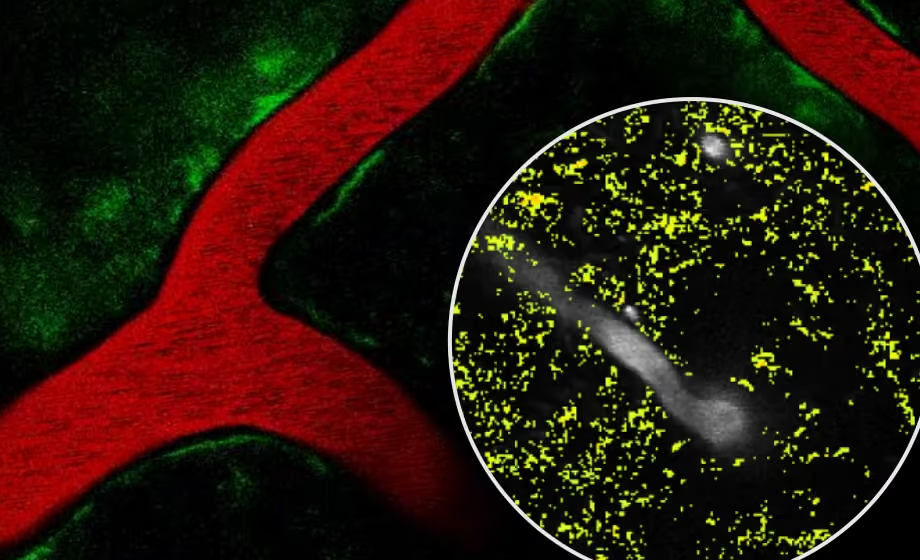
In this presentation, Michael Czech, PhD shows how imaging adipose tissue depots from mice under various conditions by light sheet microscopy has illuminated changes in their function. Data are presented on the advancement of a novel CRISPR-based approach to enhance the "browning" and therapeutic efficacy of human adipocytes when implanted into humanized mice. Analysis of adipose implants by light sheet microscopy also adds to the wealth of data obtained on this cell therapy approach to alleviate obesity and type 2 diabetes.
Dr. Czech's manuscript can be viewed on bioRxiv: https://www.biorxiv.org/content/10.1101/2020.10.13.337923v1
Featuring Insights from
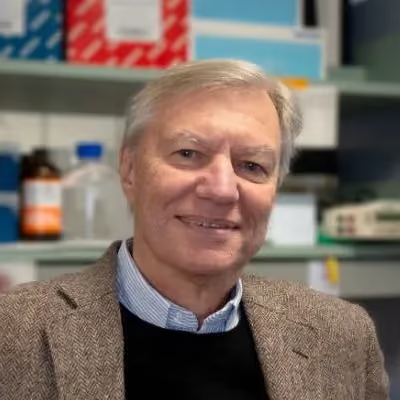
Michael Czech
PhD
Michael P. Czech is the Isadore and Fannie Foxman Professor at the University of Massachusetts Medical School, where he was founding Chair of the Program in Molecular Medicine (1989-2018). He has received the Elliot P. Joslin Medal, the Banting Medal of the ADA, and the Jacobaeus Prize for his work on adipose tissue metabolism in diabetes.
Sponsored by
Miltenyi Biotec
In Partnership with

American Physiological Society
Founded in 1887, the American Physiological Society is a global leader in expanding knowledge related to biological function. We connect a multidisciplinary community of nearly 10,000 scientists and educators from around the world, driving collaboration and spotlighting scientific discoveries in physiology and related disciplines. Our members are advancing treatments and cures for everything from cancer and heart disease, to obesity and addiction. They are also deepening our insight into living organisms generally, helping us to better understand how things like climate change are affecting the world around us.