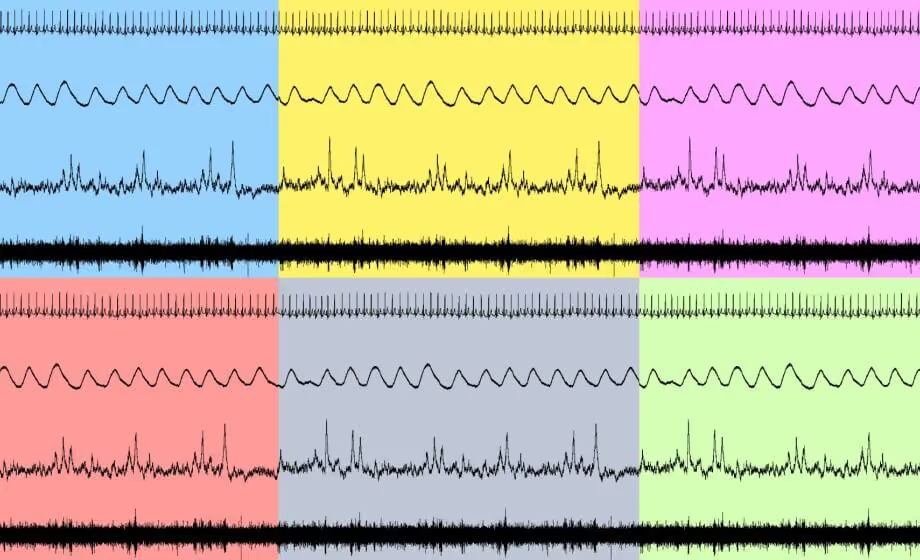
Webinar Summary
- Identify tests appropriate for measuring basal versus reflex autonomic control
- Describe the pros and cons of tests used in human autonomic research
- Create a research setting that is conducive to reliable and accurate human autonomic data
- Select equipment appropriate for the research questions being addressed
- Anticipate and avoid areas that may increase data variability and reduce your ability to interpret results
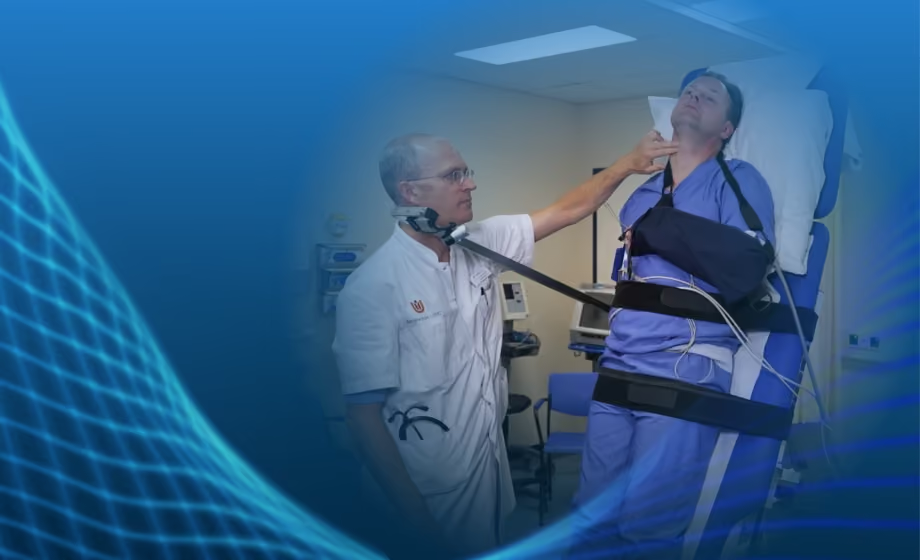
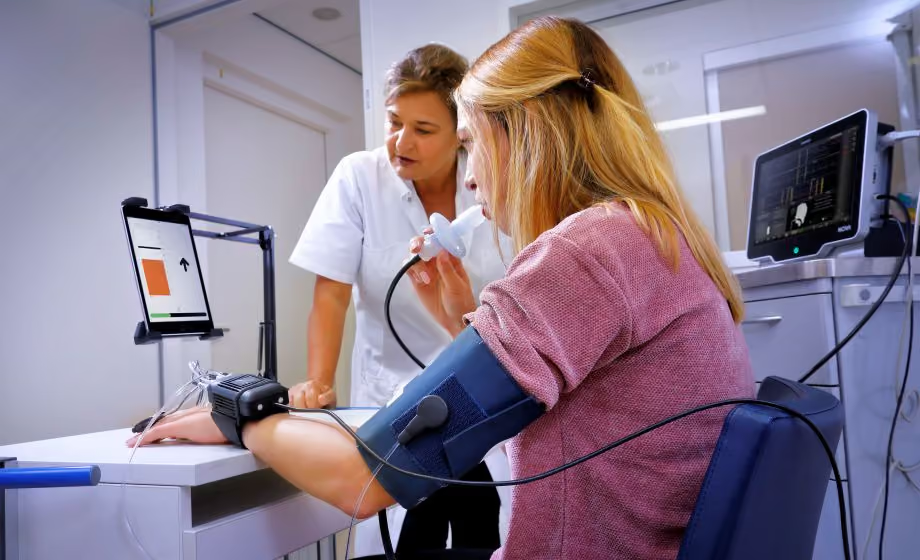
In this American Physiological Society (APS) webinar produced in partnership with ADInstruments, Jackie Limberg, PhD discusses the basics of human autonomic research as well as some tips and tricks for successful human testing. Implementing key experimental controls and understanding nuances in data collection and analysis during human autonomic testing have important implications for the accuracy and reliability of your findings.
Dr. Limberg introduces the gold standards for measuring both basal and reflex autonomic responses in humans, what equipment is required, and how to minimize variability in your data. The focus of the webinar is on data collection, including recommendations for study design as well as data analysis and interpretation.
Featuring Insights from

Jacqueline Limberg
PhD
Dr. Limberg is a human integrative physiologist with a primary focus on the role of the autonomic nervous system in cardiovascular responses to exercise and environmental stressors in health and disease. Her interests in neural control of the circulation, mechanisms of sympathoexcitation in obesity-related conditions, how these factors may differ by sex, and the effect of pharmacological and non-pharmacological interventions provide the general foundation for her work.
Sponsored by

ADInstruments
In Partnership with
American Physiological Society
Founded in 1887, the American Physiological Society is a global leader in expanding knowledge related to biological function. We connect a multidisciplinary community of nearly 10,000 scientists and educators from around the world, driving collaboration and spotlighting scientific discoveries in physiology and related disciplines. Our members are advancing treatments and cures for everything from cancer and heart disease, to obesity and addiction. They are also deepening our insight into living organisms generally, helping us to better understand how things like climate change are affecting the world around us.