Webinar Summary
- What is KCNV2 retinopathy
- How the knockout mouse model mimics the human condition
- How a novel gene therapy for this condition was tested
- The gene replacement therapy is effective and provides improved visual responses
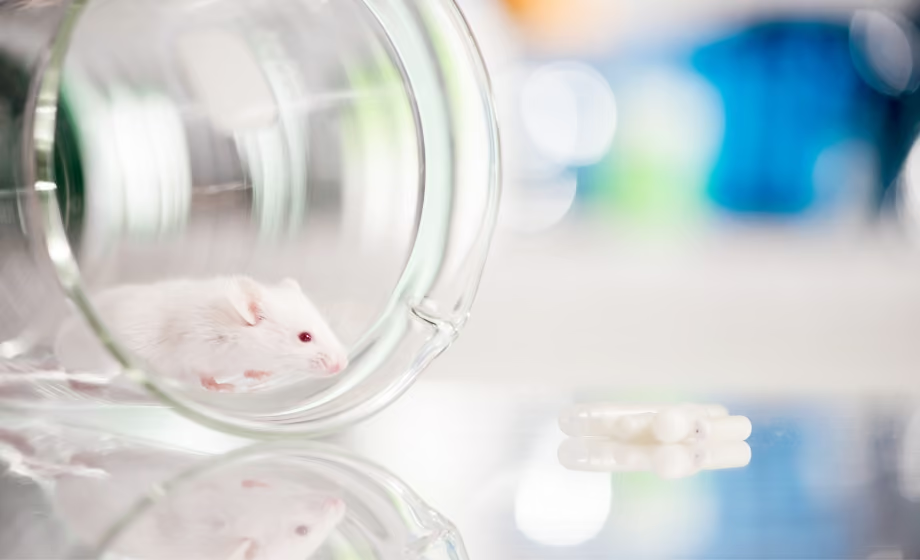
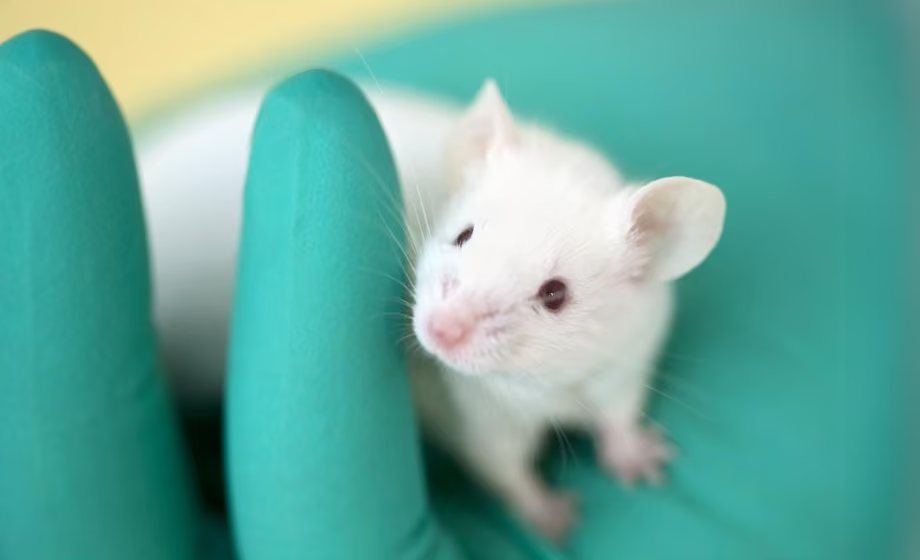
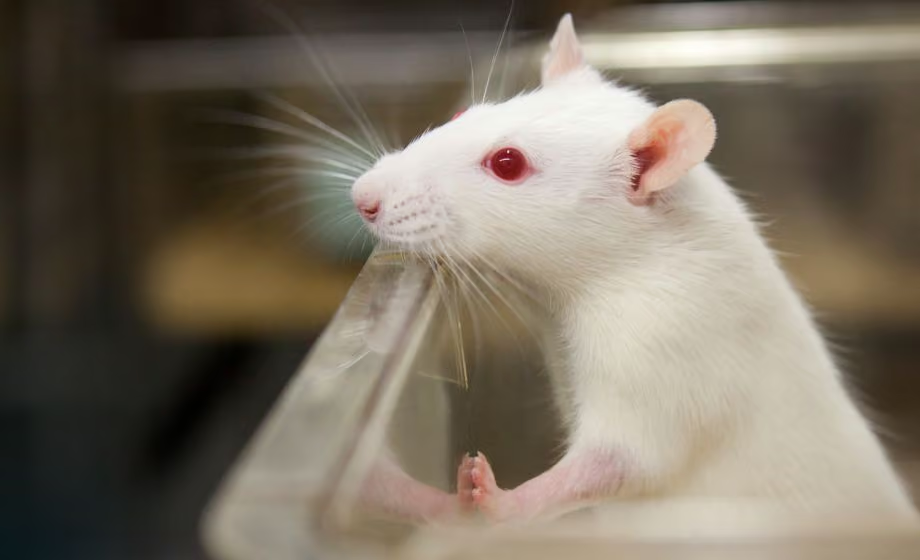
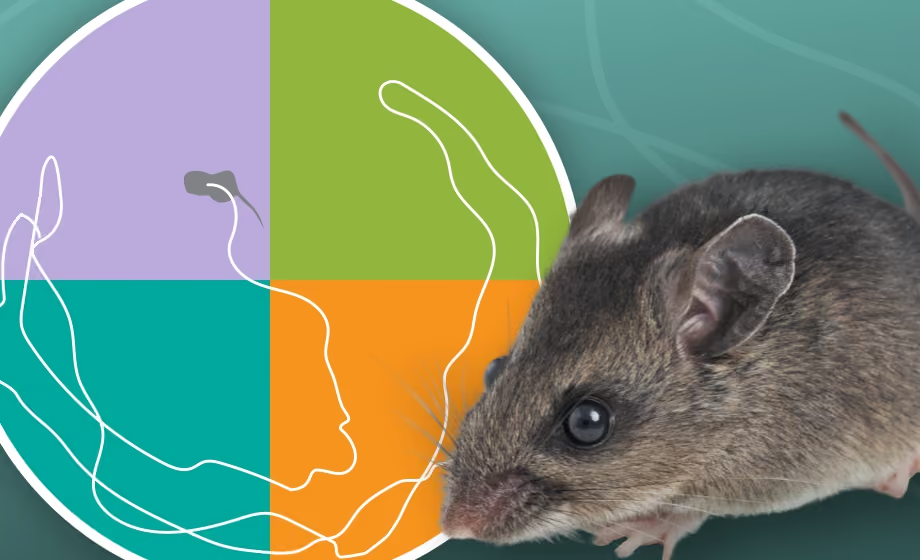
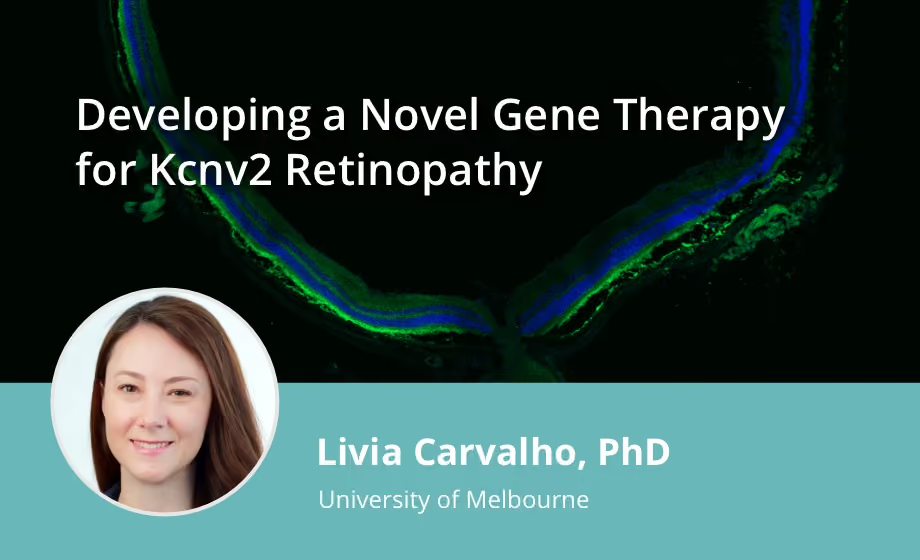
Mutations in the voltage-gated (Kv) potassium channels Kv8.2 subunit are known to underlie a particular form of inherited irreversible blindness, KCNV2 retinopathy. This unique condition causes lifelong visual loss, characterized by reduced visual acuity, photoaversion, night blindness and abnormal color vision, and presents phenotypically with a supernormal electrophysiological (ERG) retinal response to light. Livia and colleagues have previously characterized a Kv8.2 knockout mouse model of which accurately mimics the human condition. This study investigated the suitability of an AAV-based gene therapy approach as a potential treatment.
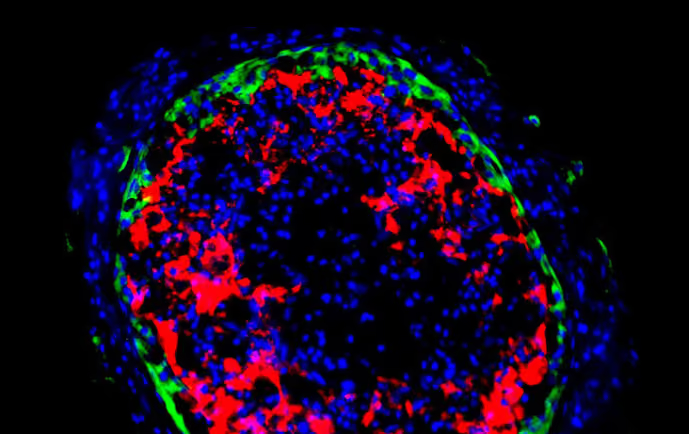
The efficacy of the gene therapy to rescue vision was evaluated via ERG, optomotor testing, histological analysis and single-cell RNASeq. The results show that treatment with either of their vectors was dose-dependent but had a significant impact on the ERG responses. Treated animals also showed recovery to wildtype levels of their scotopic contrast and acuity, and photopic acuity via optomotor responses. This study is the first to develop and validate the efficacy of a novel gene therapy treatment for KCNV2 retinopathy.
Featuring Insights from

Livia Carvalho
PhD
Livia Carvalho is a Senior Lecturer with the Department of Optometry and Vision Sciences at the University of Melbourne. Her research focuses on understanding cellular and molecular disease mechanisms of inherited retinal diseases and testing of novel gene and drug therapies.
Sponsored by