In this webinar sponsored by KACTUS, join Dr. Garrett Rappazzo, Senior Scientist of Platform Technologies at Adimab, as he presents his team's research on the discovery and engineering of soluble T cell receptors for use in potent and specific peptide-HLA targeting therapeutics.
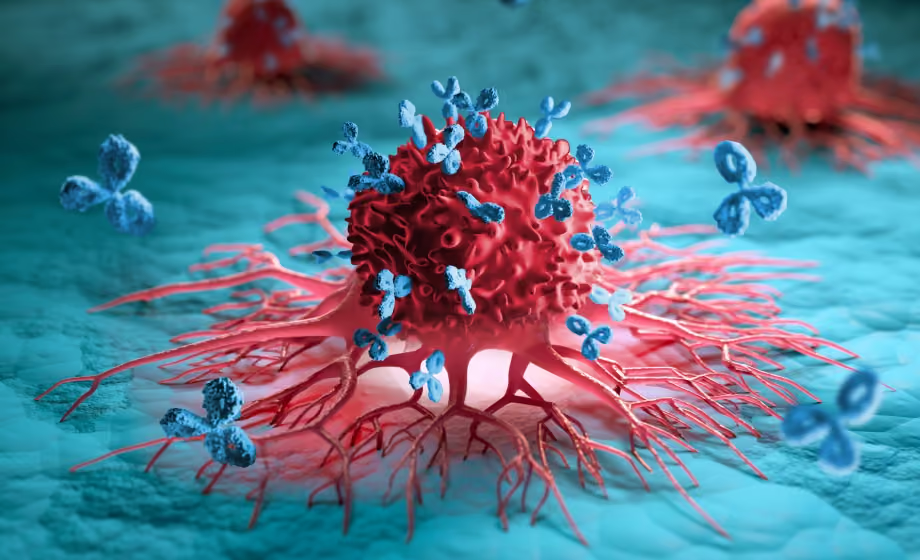
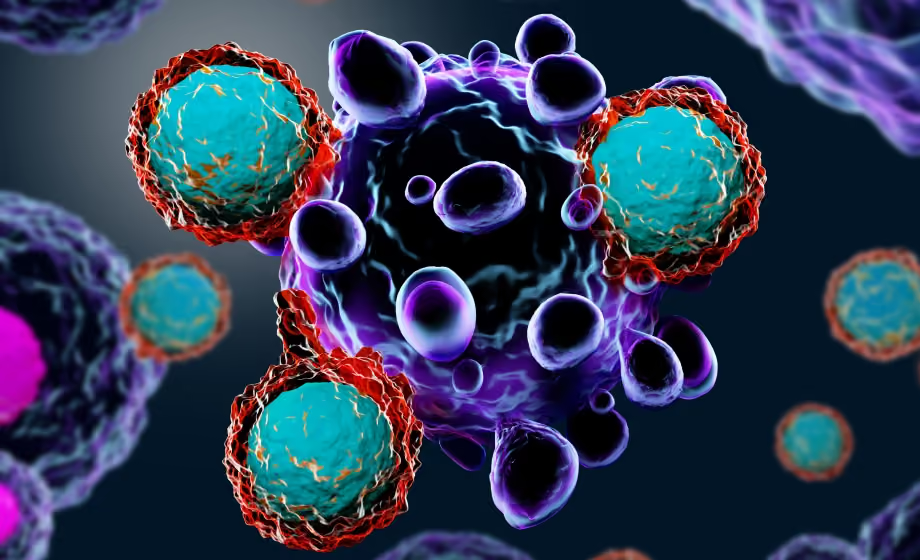
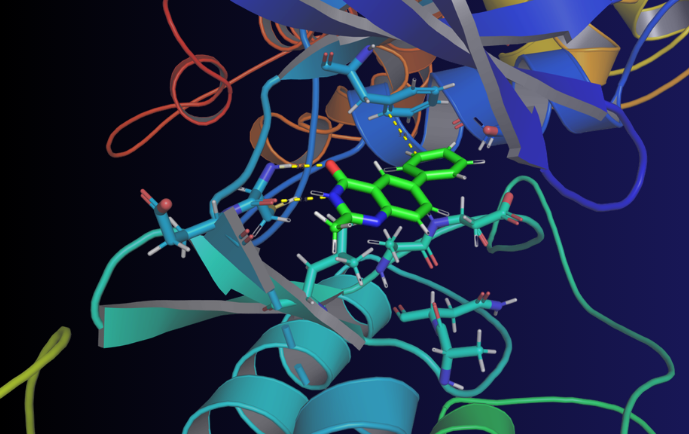
Peptide-HLA (pHLA)-targeting therapeutics offer the potential for highly specific and effective destruction of diseased and infected cells by recognizing altered proteins inside cells. Soluble T cell receptors (TCRs) are attractive options for clinical development due to their innate specificity in pHLA binding, yet natural TCRs face significant challenges, such as the need for extensive affinity enhancement. Additionally, the immune system eliminates self-reactive TCRs, limiting the discovery of natural TCRs against many valuable pHLA targets.
To address these issues, we used Adimab's yeast-based platform to develop a workflow for the discovery and engineering of soluble TCRs. This platform enabled the creation of the first fully human synthetic TCR libraries in yeast, allowing rapid identification of diverse, high-affinity TCRs. Additionally, we engineered TCR variants with both significantly improved affinities and functional capabilities in T cell engager formats while maintaining precise target specificity. This work can accelerate pre-clinical development of potent and specific pHLA-targeting therapeutics across diverse cancers and viral diseases.
Featuring Insights from

Garrett Rappazzo
PhD
As a senior scientist at Adimab, my work focuses on identifying and engineering protein therapeutics that target peptide-HLA (pHLA) complexes. This work has primarily focused on soluble T cell receptor (TCR)-based therapeutics and includes the development of a novel yeast-based platform to both discover and engineer soluble TCRs. Prior to joining Adimab, I completed my doctoral research at MIT in Prof. Michael Birnbaum’s lab, where I worked to characterize the peptide-binding repertoires of Class II HLA proteins.
Sponsored by

KACTUS
In Partnership with

Scientist.com
Scientist.com is the world’s largest and first platform built for the intricacies of scientific outsourcing.
We help pharmaceutical and biotechnology organizations discover, engage, manage, and scale relationships with the providers that support every stage of the pipeline—from discovery and preclinical research to clinical development, manufacturing, medical affairs, and commercialization. Through a centralized platform, organizations can access a global network of 6,000+ providers, streamline sourcing and procurement workflows, maintain compliance, manage supplier relationships, and leverage data-driven insights to make faster, more informed decisions.
Today, Scientist.com supports more than 130 life science organizations, including 24 of the world's top 30 pharmaceutical companies, helping teams reduce operational complexity, accelerate timelines, and bring innovations to patients faster. Our mission is to make it possible to cure all human disease by 2050.



















.avif)