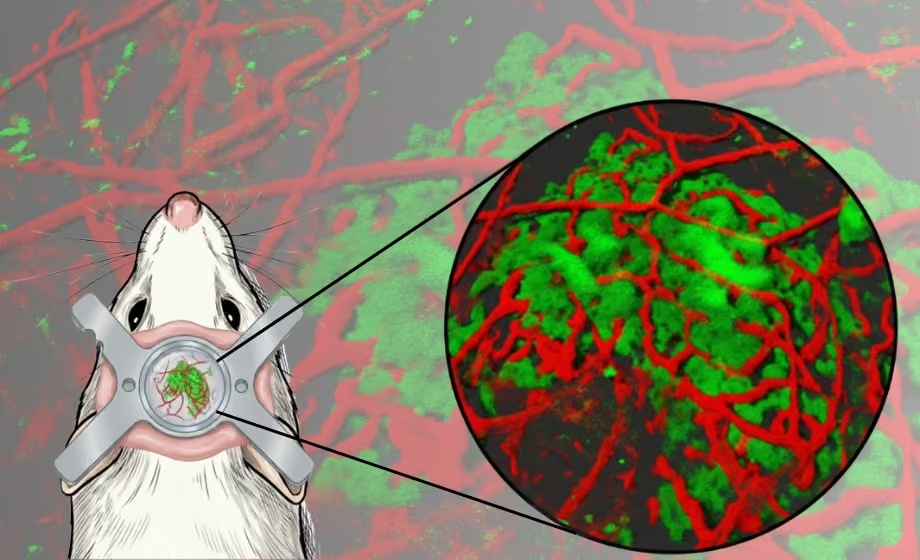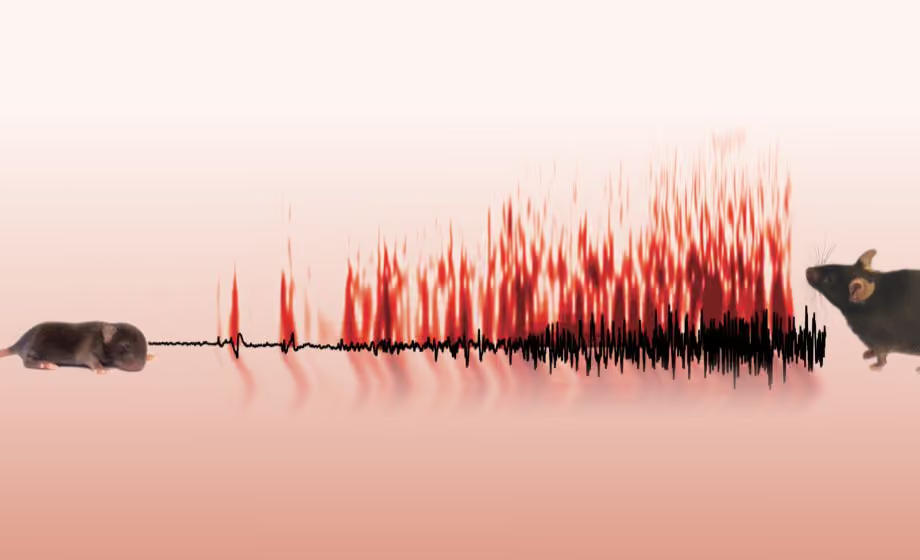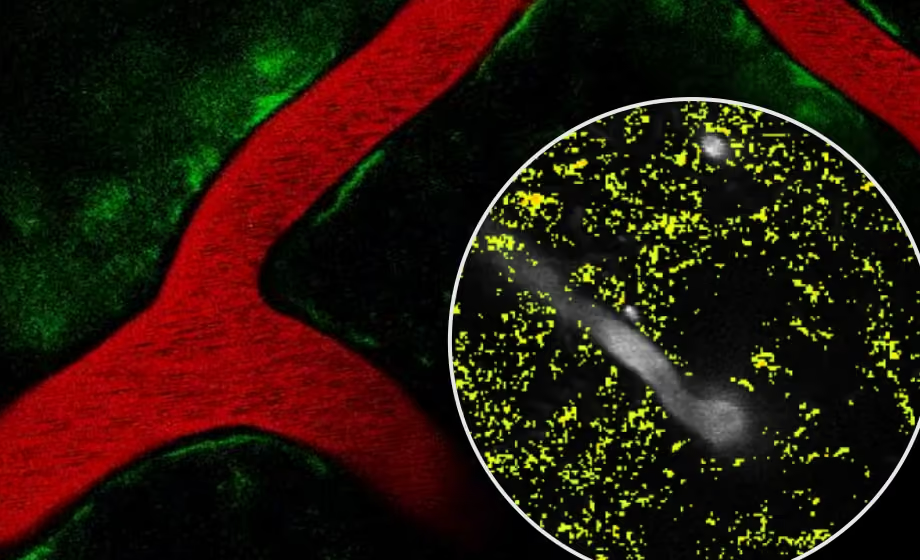
Experts discuss how microscopy, electrophysiology, and optogenetics are used to study microglial calcium signaling and epileptic networks in awake head-fixed mice.
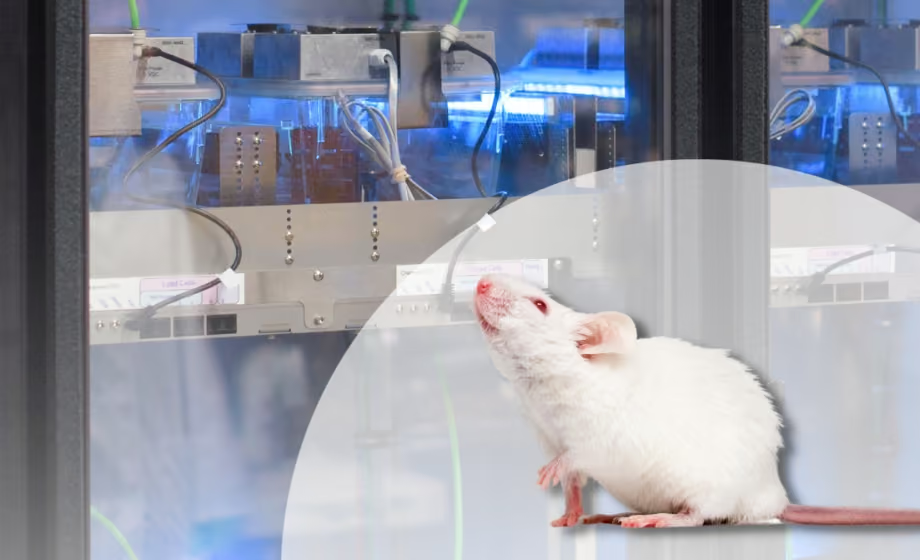
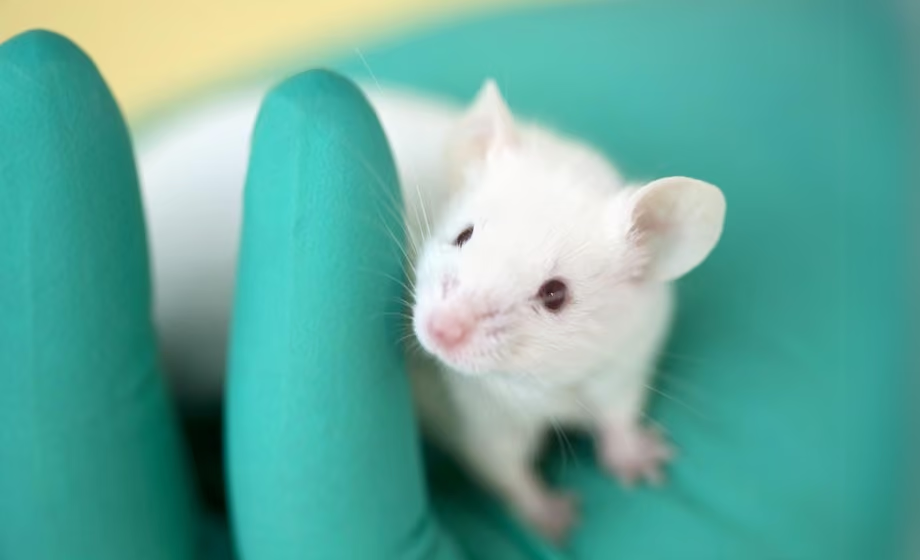
Epilepsy research employs sophisticated research methods such as fluorescence optical imaging and optogenetics, as well as novel electrophysiological techniques, to address unresolved questions about seizure generation and propagation on the cellular and circuitry levels. Since epilepsy research is most relevant when performed in non-anesthetized mice, it requires specialized tools that ensure stable head fixation during high-precision imaging and recordings.In this webinar, Dr. Anthony Umpierre (Prof. LongJun Wu group, Mayo Clinic, USA) and Prof. Rob Wykes (UCL, UK) present their research on microglial calcium signaling and epileptic networks carried out in awake head-fixed mice. In addition to sharing exciting new findings, the presenters address the challenges of working with awake mice.

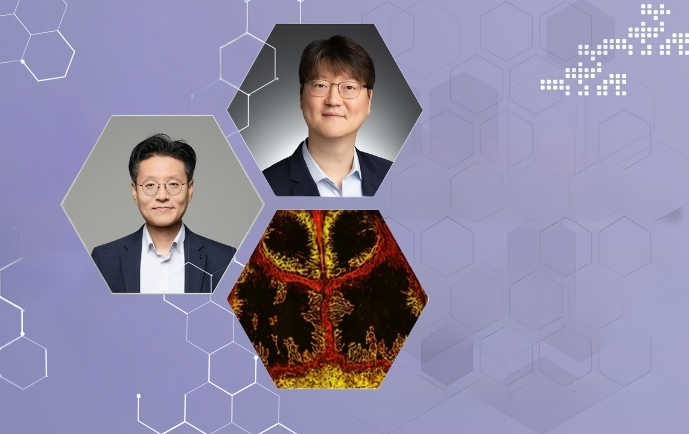
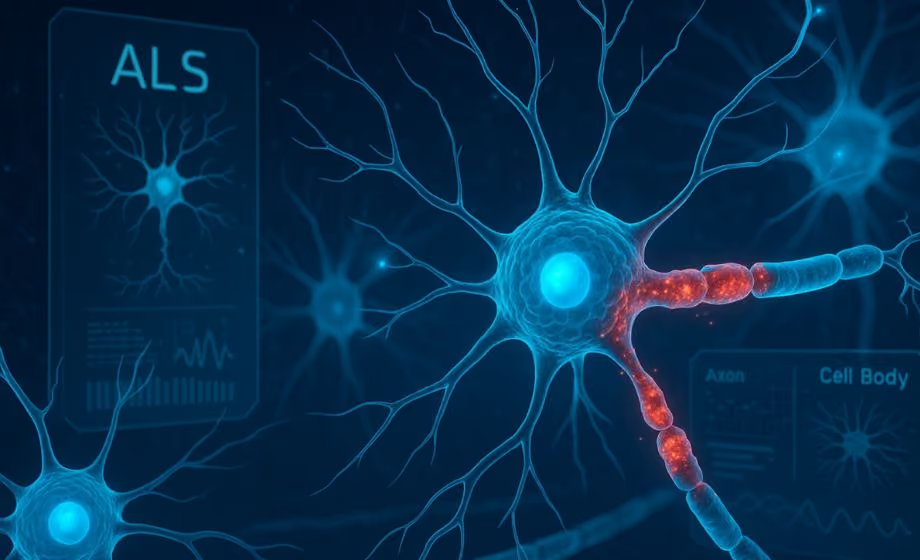
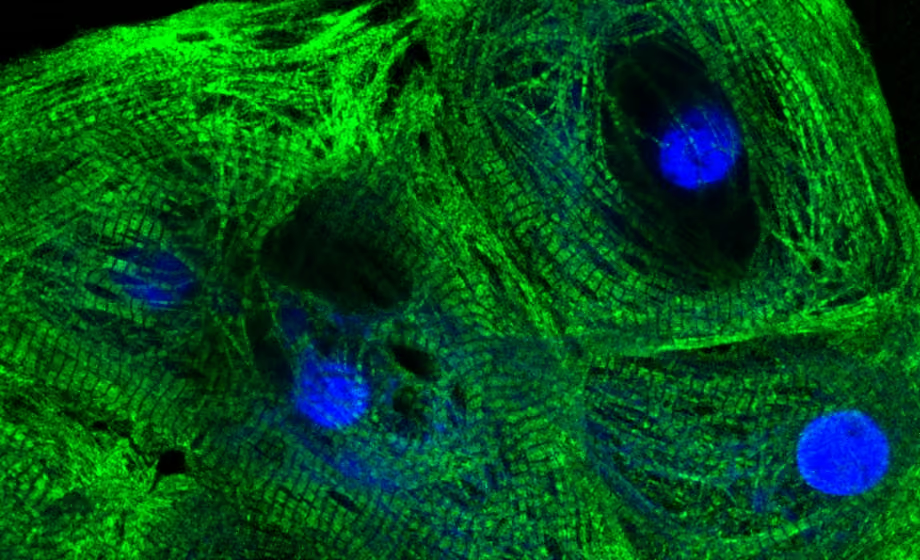
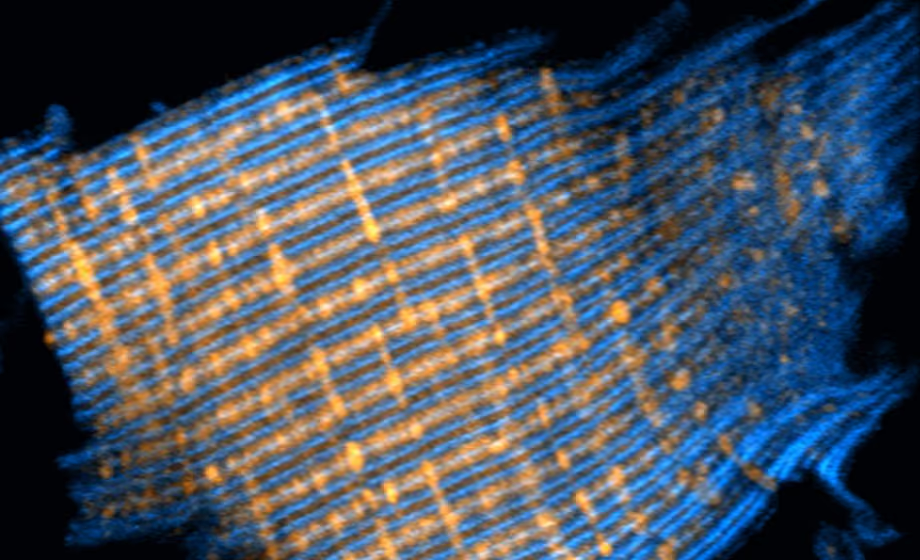
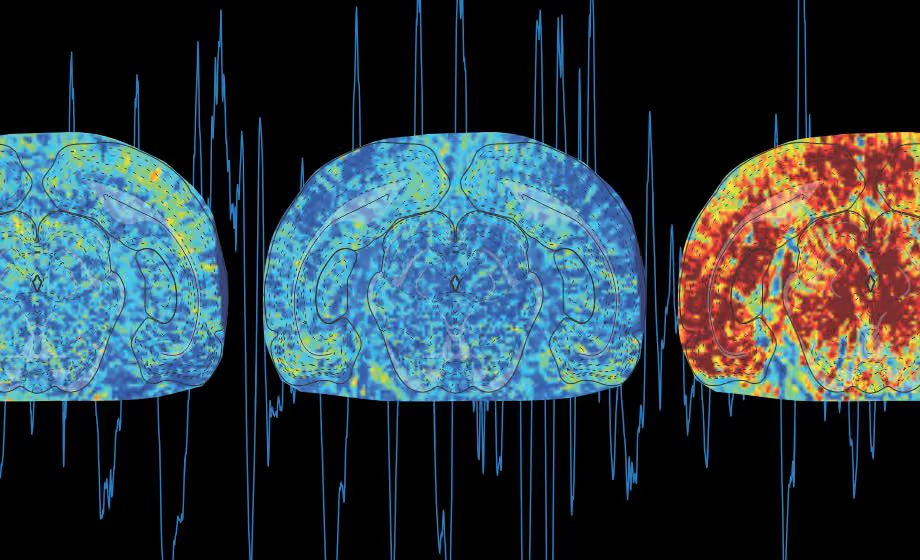
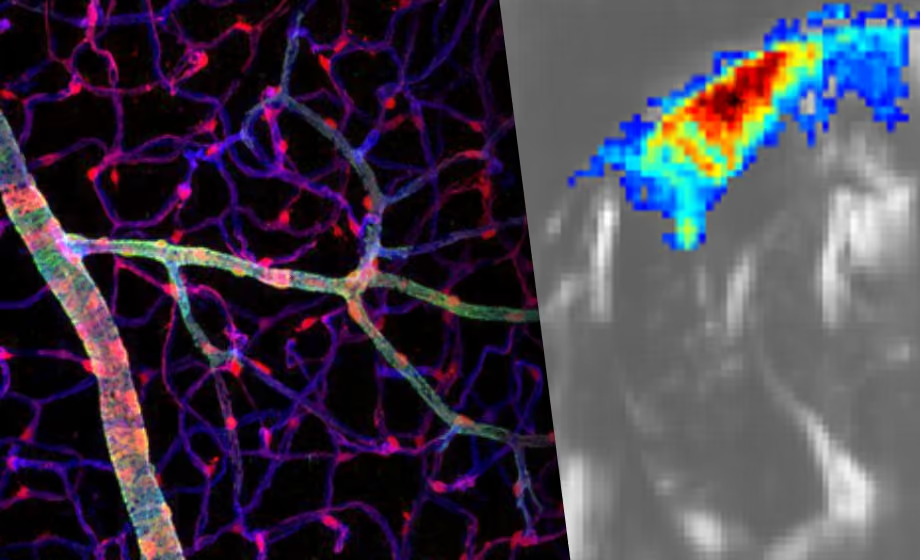
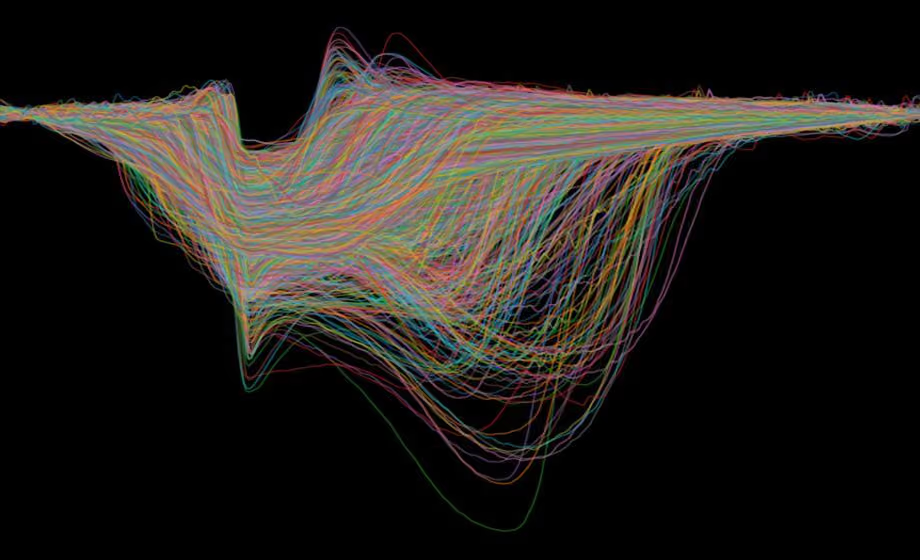
Neuronal calcium traces recorded in awake, head-fixed mice
Featuring Insights from

Robert Wykes
PhD
Dr. Wykes is a Senior Research Fellow at the UCL Queen Square Institute of Neurology and a Senior Lecturer in the Nanomedicine Lab at the University of Manchester. He is well regarded for development of novel technology and therapies to investigate and treat seizures. He was amongst the first to adapt in vivo optogenetic and calcium imaging approaches to epilepsy research, and established the efficacy of a potassium channel gene therapy approach in preclinical models. More recently as a partner on the European Commission Graphene Flagship Project he has been characterising in vivo graphene micro-transistors capable of full bandwidth electrographic recordings. These devices promise to facilitate detection and therefore improved understanding of the role spreading depolarisations play in several neurological disorders including epilepsy.

Anthony Umpierre
PhD
Dr. Umpierre is interested in how glial cells shape neuronal circuits in the basal state and during the pathological progression towards epilepsy. In his graduate work, he studied how astrocytes heighten their sensitivity to neuronal glutamate release after status epilepticus—a prolonged seizure condition that may precipitate epilepsy development. In response, astrocytes increase their glutamate uptake in the latent period preceding epilepsy, representing a potentially neuroprotective mechanism. In his postdoctoral work, he studies the role of purinergic signaling in shaping microglial responses to shifts in neuronal activity across a physiological and pathophysiological range. His work focuses on calcium signaling in brain slice and awake mice using two-photon microscopy to study glial function, combined with pharmacology, single-cell recording, EEG, and chemogenetic approaches.
Sponsored by