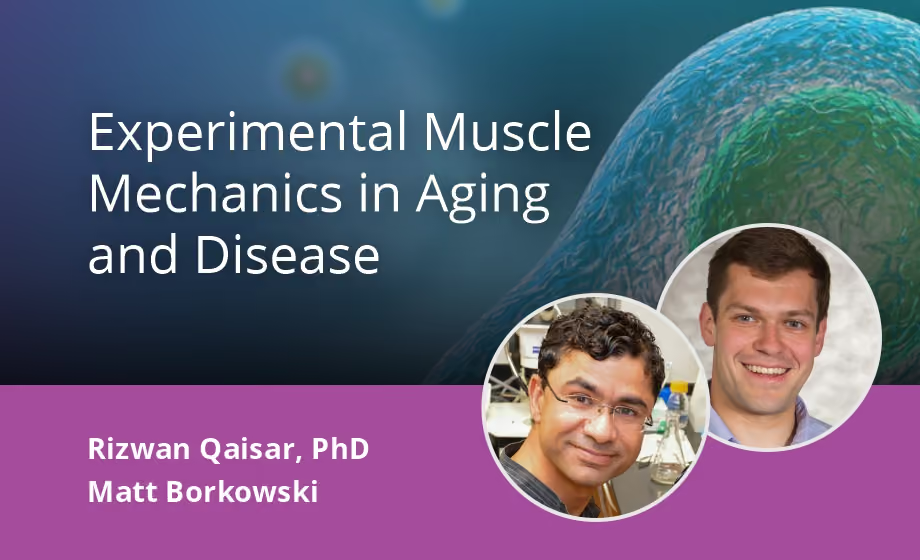
Dr. Rizwan Qaisar and Matt Borkowski dive into experimental protocols used to measure muscle function and mechanics for in vivo and in vitro research. The focus of this webinar is on the mechanisms underlying muscle impairment associated with aging and age-related diseases.
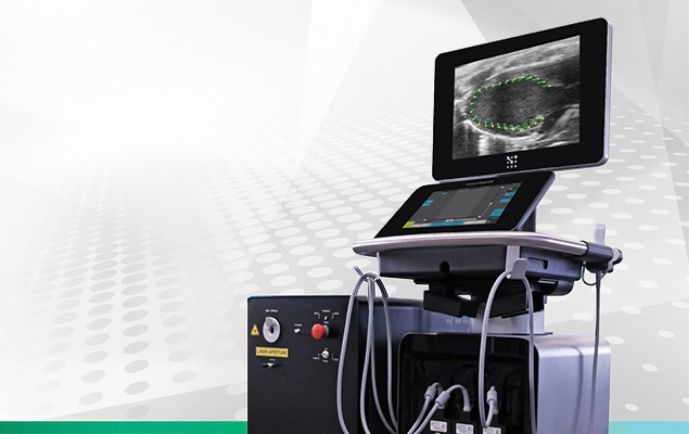
The webinar begins with Matt Borkowski introducing Aurora Scientific and their whole animal muscle, or 3-in-1 System, which allows researchers to perform experiments in vitro, in situ, and in vivo. The system is based around the Dual Mode Lever System, which is a force and position transducer that is able to control either of these parameters while simultaneously measuring the other. The 3-in-1 system has a wide range of potential applications, from small cardiac muscles to limb muscles from larger mammals.
". . . it's capable of performing far more complex protocols than simply measuring maximal isometric strength . . . essentially, we can use the system to better model how a muscle works in real life."
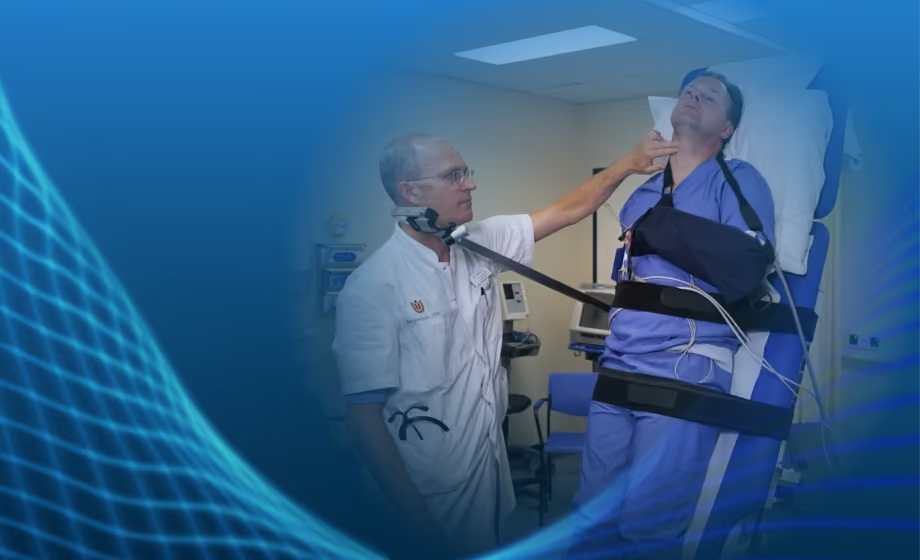
Matt then details the various types of experiments that can be done with this system. Some examples include ankle joint torque measurement in vivo, hind limb and tendon measurements in situ, and isolated dissected muscle stimulated in vitro. The various contraction types are explained and Matt advises to consider the goal of the functional test prior to choosing the type of experiment.
"What's really nice about this dual mode lever is that you're able to control both force and length, and you're only attaching to one point of the muscle . . . complete characterization of the muscle is now possible with this one attachment point . . ."
Next, the Aurora Single Permeabilized Fiber System is shown, followed by details on handling and mounting of fibers. Typical experiments performed include Force-pCa, kTR, and Force-Velocity.
Matt closes his portion of the webinar by explaining the advantages of these techniques for aging research, in particular the ability to conduct longitudinal tests as animals age.
"All of these techniques remove the voluntary component of contraction and really only focuses on neuromuscular performance and basic contractile mechanisms . . ."
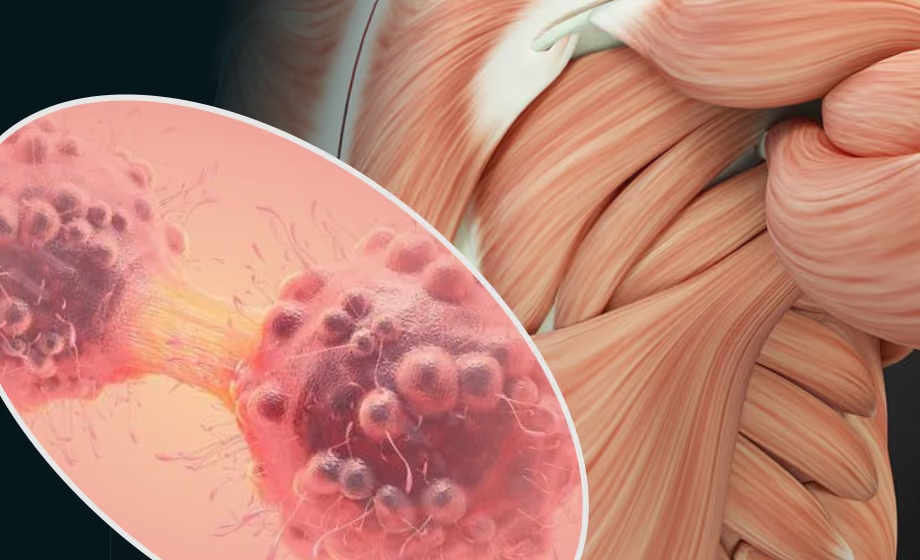
In the second section of the webinar, Dr. Rizwan Qaisar starts with a general introduction to sarcopenia, or age-related muscle loss. This usually begins in humans in their late 20's or early 30's, when muscle strength decreases by approximately 1-2% per year and is accompanied by a 3-4% decrease in muscle power, eventually culminating in sluggish movement. He highlights various ways to determine sarcopenia development in humans including measuring handgrip, using scales, testing gait speed, and Short Physical Performance Battery tests, before explaining the processes used in the lab.
Murine models of sarcopenia typically involve genetic manipulations and are well-used due to their shorter lifespans, which allows for faster turnaround times when evaluating interventions than in clinical studies. Dr. Qaisar then reviews in situ whole gastrocnemius muscle force recording experiments, performed using Aurora Scientific equipment.
Sarcopenia can be accelerated in various preventable age-related diseases and conditions, considered secondary sarcopenia. Chronic Obstructive Pulmonary Disease (COPD), heart failure, Parkinson's, other neurodegenerative diseases, and more recently COVID-19, have all shown evidence of accelerated muscle decline. In general, there is an imbalance of protein synthesis and protein degradation.
Dr. Qaisar highlights the various aging-related changes within the muscle organelle's myonuclei, neuromuscular junction, mitochondria, sarcoplasmic reticulum, myosin isoforms, and muscle fiber types. Sarcopenia interventions include physiological changes, nutritional and hormonal supplementation, and pharmacological therapies.
Restoration of Sarcoplasmic Reticulum Ca2+ ATPase (SERCA), activated by CDN1163, was reported by Dr. Qaisar to prevent age-related muscle atrophy and weakness in mice.
"There are many interventions in the literature that show prevention of weakness but restoration of muscle mass is quite rare, so this is something quite special about this therapy."
There are many blood and urine biomarkers of sarcopenia, all of which are useful in the assessment of this condition. One example is CAF22, with blood levels used as a predictor of muscle health in diseases such as COPD and congestive heart failure.
Dr. Qaisar concludes the webinar with a discussion of his ongoing studies of COVID-19 and sarcopenia, which have thus far revealed considerable cross-talk between the muscle and COVID-19.
Webinar Highlights
- Explanation of in vivo, in vitro, and in situ whole muscle experiments
- Introduction to the single permeabilized fiber system
- Overview of sarcopenia, its diagnosis, and current interventions
- Aging-related changes that occur within muscle
Featuring Insights from

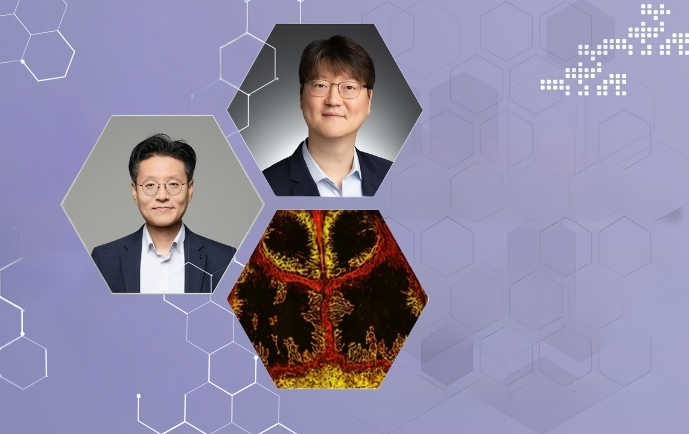
Rizwan Qaisar
MBBS. Ph.D.
Dr. Qaisar earned his PhD from the University if Uppsala, Sweden and post-doctorates from the University of Pavia, Italy and Oklahoma Medical Research Foundation. His research work focuses on the pathophysiology and interventions of muscle impairment in sarcopenia in experimental and clinical settings.

Matthew Borkowski
Matthew Borkowski is a biomedical engineer and a graduate of the University of Toronto. He has been involved in product design and customer support at Aurora Scientific for over 15 years. Today, he spends much of his time in the lab consulting with scientists, assisting with novel application of Aurora Scientific instruments in various disciplines, including muscle, tendon, and connective tissue research.
Sponsored by
Aurora Scientific, Inc.
In Partnership with
American Physiological Society
Founded in 1887, the American Physiological Society is a global leader in expanding knowledge related to biological function. We connect a multidisciplinary community of nearly 10,000 scientists and educators from around the world, driving collaboration and spotlighting scientific discoveries in physiology and related disciplines. Our members are advancing treatments and cures for everything from cancer and heart disease, to obesity and addiction. They are also deepening our insight into living organisms generally, helping us to better understand how things like climate change are affecting the world around us.