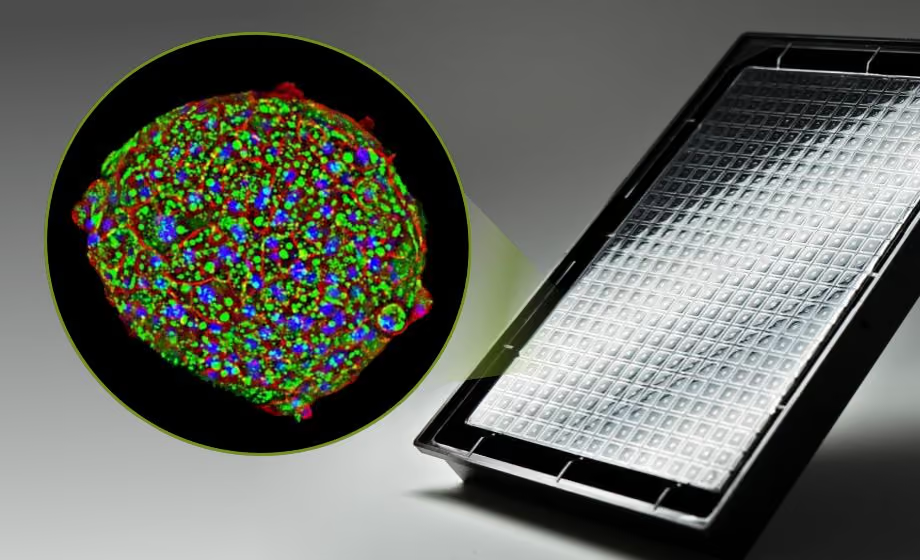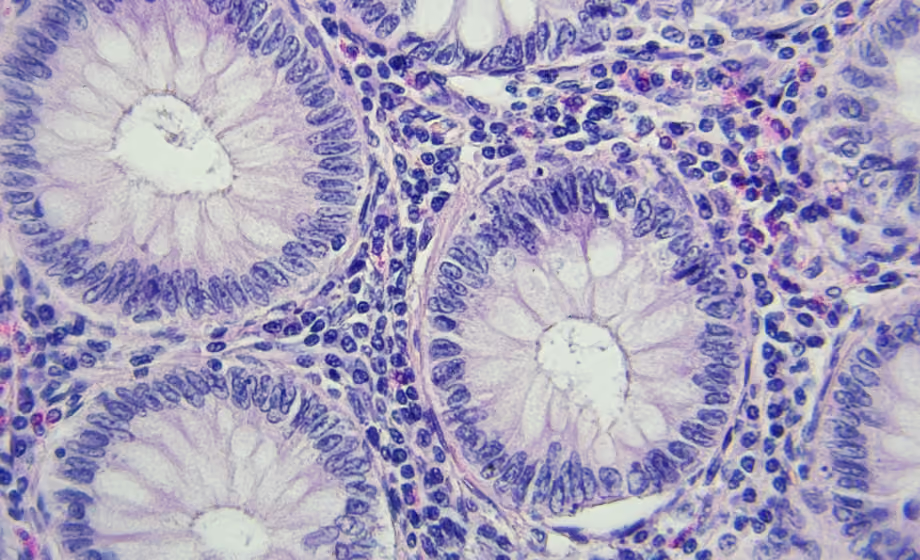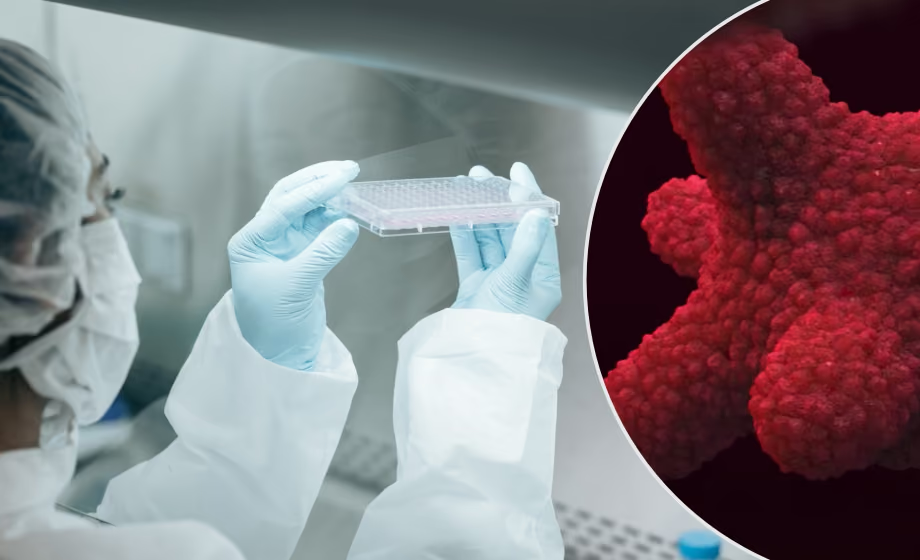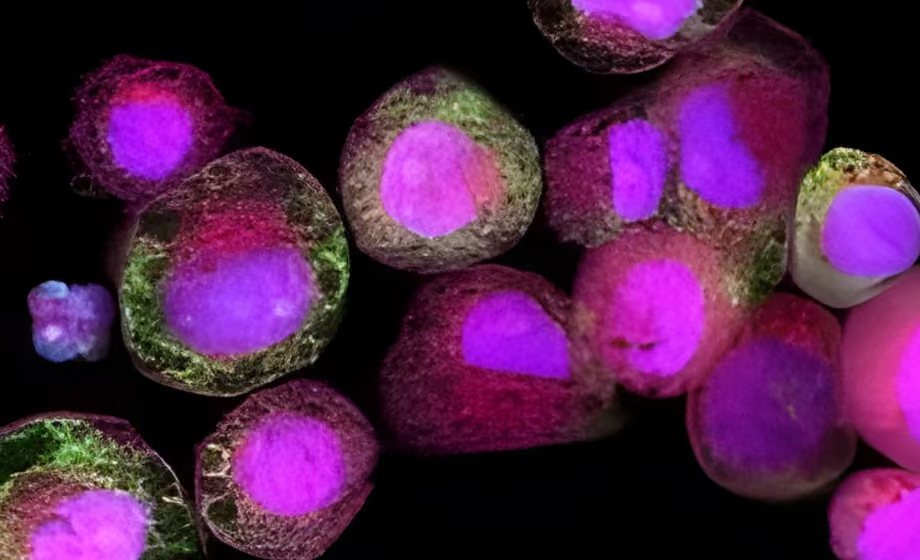
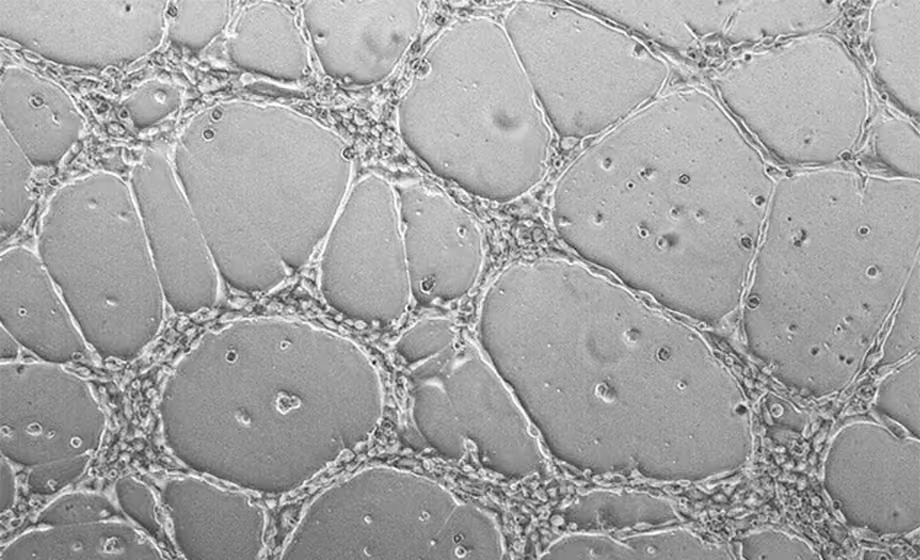
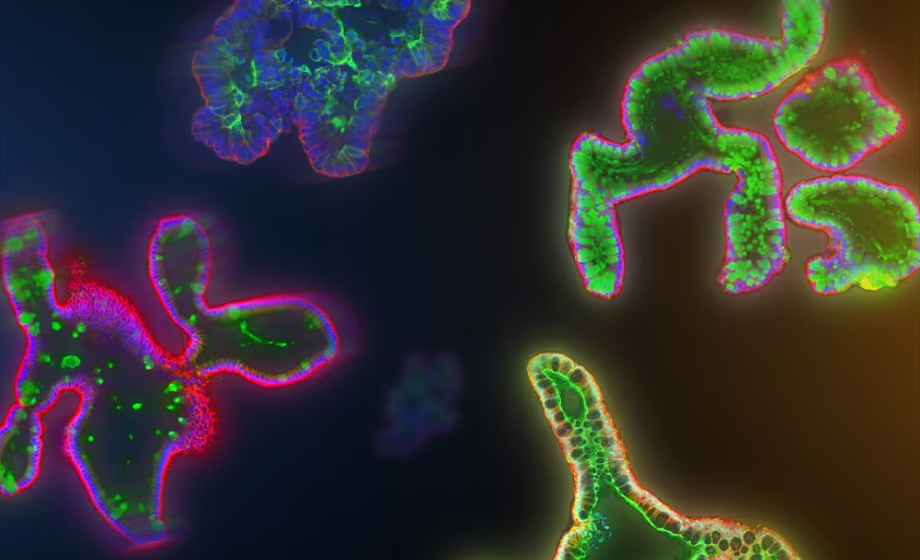
Selecting the right systemic therapy for metastatic colorectal cancer (mCRC) remains a major challenge—many patients still don't benefit from standard regimens, yet experience toxicity and lose valuable time. Patient-derived organoids (PDOs) offer a functional approach: grow a patient's tumor cells ex vivo and test drug sensitivity directly, potentially complementing genomic biomarkers and improving treatment selection.
In this webinar, we'll discuss findings from the multicenter prospective OPTIC study, which evaluates whether PDO drug response correlates with clinical response and survival outcomes. We'll review what drives successful PDO establishment from metastatic biopsies, how standardized drug screening was performed (including key readouts and cutoffs), and how PDO sensitivity to 5-fluorouracil and oxaliplatin aligned with radiologic response, progression-free survival, and overall survival—plus what it could take to bring PDO-guided therapy closer to routine practice.
Featuring Insights from

Yasmine Abouleila
PhD
Dr. Yasmine Abouleila completed her PhD in Biomedical and Health Sciences at Hiroshima University, Japan, where she focused on identifying new diagnostic biomarkers for early cancer detection through circulating tumor cells. Since joining the oncology department at HUB Organoids in 2022, she has been responsible for leading and designing several cancer research and immuno-oncology projects.
Sponsored by

HUB Organoids
In Partnership with
Scientist.com
Scientist.com is the world’s largest and first platform built for the intricacies of scientific outsourcing.
We help pharmaceutical and biotechnology organizations discover, engage, manage, and scale relationships with the providers that support every stage of the pipeline—from discovery and preclinical research to clinical development, manufacturing, medical affairs, and commercialization. Through a centralized platform, organizations can access a global network of 6,000+ providers, streamline sourcing and procurement workflows, maintain compliance, manage supplier relationships, and leverage data-driven insights to make faster, more informed decisions.
Today, Scientist.com supports more than 130 life science organizations, including 24 of the world's top 30 pharmaceutical companies, helping teams reduce operational complexity, accelerate timelines, and bring innovations to patients faster. Our mission is to make it possible to cure all human disease by 2050.














.avif)